Canada’s Armed Forces have experienced a remarkable turnaround, shifting from what some described as a “death spiral” to a surge in recruitment unseen in three decades. This revival reflects significant changes in pay, equipment modernization, and streamlined processes that are breathing new life into the military’s ranks.
The Recruitment Revival: Numbers That Speak Volumes
In late April, the Canadian military proudly announced it had enlisted over 7,000 new members in the last fiscal year, marking the highest intake in 30 years. This increase is not just a statistical anomaly but part of a broader upswing in interest in military careers across the country.
According to the Department of National Defence, confirmed applications to join the Canadian Armed Forces nearly doubled year-over-year—from 21,700 in one year to 40,116 by February. These figures represent applicants who completed the official paperwork to validate their eligibility. However, the actual number of initial applications was even more staggering, approaching 100,000 over the past year.
To put this in perspective, the 2019-2020 recruitment cycle saw only around 36,000 applications, making the recent surge a dramatic leap forward. This surge indicates a growing awareness and renewed enthusiasm for military service among Canadians, reversing years of stagnation and decline.
Key Factors Behind the Turnaround
Alden Campbell, a first officer with the Royal Canadian Air Force, encapsulates the newfound optimism within the ranks. “We’re a couple of decades behind, but at least we’re trying to do things now,” he said, highlighting the military’s efforts to improve conditions and morale. Recent changes in pay structures and the commitment to upgrade equipment have played critical roles in boosting troop confidence.
Campbell expressed hope that he would be able to witness and benefit from these improvements during his career, reflecting a common sentiment among younger service members eager to see tangible modernization efforts.
Lieutenant Colonel Travis Haines of the Canadian Armed Forces attributes much of the recruitment success to reducing bureaucratic barriers that previously slowed down the enlistment process. By streamlining application procedures and cutting red tape, the military has made it easier for motivated applicants to join, accelerating the intake of new personnel.
This reduction in administrative hurdles, combined with better compensation and updated equipment, has created a much more attractive career proposition for potential recruits.
Why This Military Rebound Matters
The Canadian military’s improved recruitment numbers come at a critical time. With evolving global security challenges and increasing demands on armed forces worldwide, having a robust, well-staffed military is essential for national defense and international commitments.
Beyond sheer numbers, boosting recruitment signals a restoration of trust and confidence in the military institution. After years of budget cuts, aging equipment, and morale issues, this upswing could mark the beginning of a sustained period of revitalization.
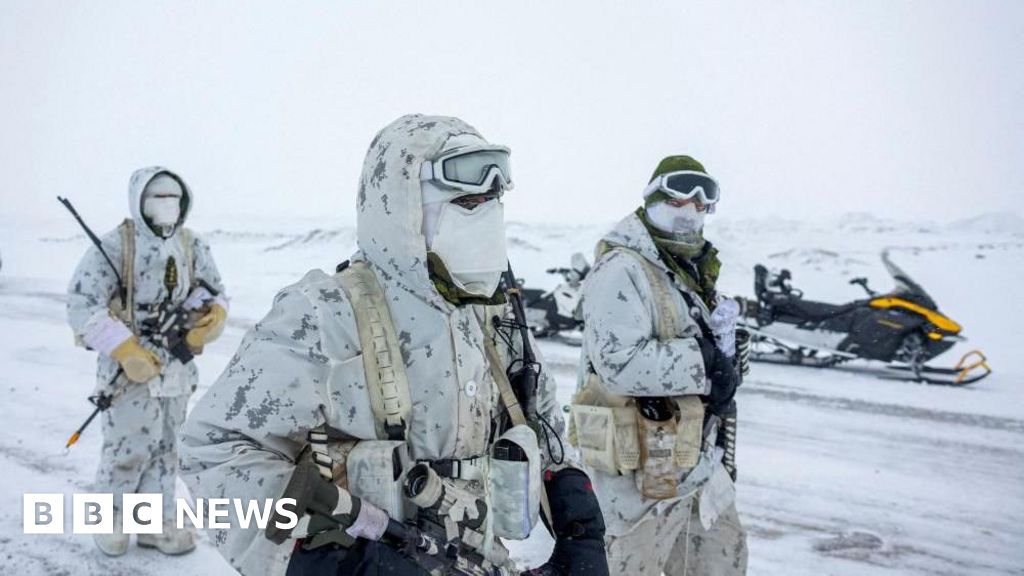
Increased personnel strength enhances Canada’s ability to participate in international peacekeeping, humanitarian missions, and Arctic sovereignty operations — areas where the country has strategic interests.
Moreover, the focus on improving career conditions and equipment modernization speaks to a broader commitment to retain talent and maintain operational readiness in the years ahead.
Looking Ahead: Sustaining Momentum
Canada’s military recruitment boom represents more than just numbers; it is a testament to deliberate policy changes and renewed investment in the armed forces. Sustaining this momentum will require continued attention to pay equity, modern training resources, and cutting-edge technology.
As the military attracts a new generation of service members, it must also focus on building career pathways that encourage long-term retention and professional growth. The modernization of equipment and facilities promised to recruits like Alden Campbell will be critical in maintaining morale and operational effectiveness.
In sum, Canada’s military is no longer in a “death spiral” but appears to be on a path toward revitalization. This transformation will have lasting implications not only for national security but also for the country’s role on the global stage.
Full details of recruitment strategies and modernization plans continue to evolve as the Canadian Armed Forces build on this historic upswing.