The successful docking of a capsule carrying British astronaut Major Tim Peake with the International Space Station marks a pivotal moment in space exploration and international collaboration. This achievement not only highlights the precision and expertise involved in modern space missions but also sets the stage for Major Peake and his fellow crew members to embark on an extraordinary journey aboard the orbiting laboratory.
The Journey to the International Space Station
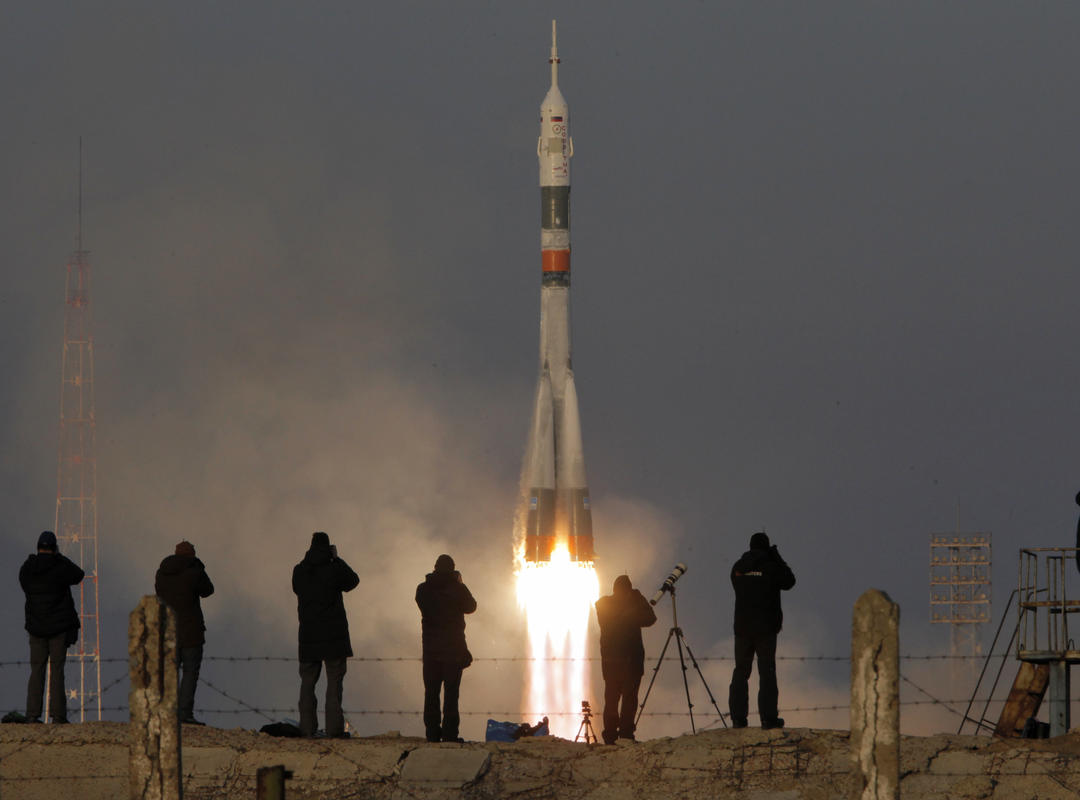
Major Tim Peake, alongside Russian commander Yuri Malenchenko and NASA astronaut Tim Kopra, launched into orbit aboard the Soyuz FG rocket at precisely 11.03am UK time. Their departure took place from the iconic Baikonur Cosmodrome in Kazakhstan, a historic site renowned as the launchpad for many significant missions, including the one that sent the first human, Yuri Gagarin, into space in April 1961.
As the rocket soared into the sky, the crew experienced the intense phases of launch. Major Peake was captured on the onboard camera giving a reassuring thumbs-up after the successful separation of the first booster stage, signaling the smooth progress of the mission. This gesture reflected both confidence and relief as the spacecraft transitioned through the critical early stages of liftoff.
Within just nine minutes, the Soyuz capsule reached the state of microgravity, a condition essential for life and work aboard the space station. Onboard footage showed a gravity indicator floating freely inside the capsule, visually confirming that the crew had entered weightlessness and were now orbiting Earth at a staggering speed of 17,500 miles per hour, approximately 220 miles above the planet’s surface.
__IMAGE_PLACEHOLDER_1__
Preparing for Docking and Life in Orbit
Upon approaching the International Space Station, Major Peake and his colleagues carefully executed docking maneuvers to ensure a secure connection with the orbital facility. Following the physical docking, the crew will spend roughly two hours conducting thorough checks to verify the stability of the link, which is critical for the safety of both the astronauts and the station’s operations.
The International Space Station functions as a unique microgravity laboratory where astronauts conduct scientific experiments that can only be performed in space. Major Peake’s arrival adds to the multinational team working on various research projects that contribute to our understanding of space, biology, physics, and Earth sciences.
For Major Peake, this mission holds a personal significance. Prior to launch, he expressed deep enthusiasm about the prospect of viewing Earth from space. This vantage point offers not only breathtaking views but also a profound perspective on the planet’s fragility and interconnectedness, often inspiring astronauts to advocate for environmental awareness and global cooperation.
__IMAGE_PLACEHOLDER_2__
The Human Side of Space Exploration
Space missions are not only technical feats; they are deeply human endeavors that involve emotional farewells and personal sacrifices. Before lift-off, Major Peake shared an emotional goodbye with his family and friends. His young son’s tearful plea, “I want to go with daddy,” captured the bittersweet reality of leaving loved ones behind to venture into the unknown.
His wife, Rebecca Peake, witnessed the launch alongside their children and described the moment as an “amazing sight” that brought a radiant smile to her face. Such family support plays a crucial role in the psychological well-being of astronauts, helping them maintain morale during long missions far from home.
The crew also endured a tense wait inside the confined Soyuz capsule for over an hour before the scheduled launch, highlighting the mental resilience required to face the uncertainties of space travel. This combination of technical skill, training, and emotional strength underscores the complexity of human spaceflight.
__IMAGE_PLACEHOLDER_3__
Why This Mission Matters
Major Tim Peake’s mission aboard the International Space Station embodies the spirit of international cooperation in space exploration. The collaboration between British, Russian, and American space agencies reflects decades of shared objectives and mutual reliance, which have enabled humanity to maintain a continuous presence in orbit since the ISS’s inception.
This mission also symbolizes progress in expanding the reach of European astronauts within the global space community. Major Peake’s journey inspires future generations to pursue careers in science, technology, engineering, and mathematics (STEM), reinforcing the importance of education and innovation.
Moreover, the experiments conducted during this mission will contribute valuable insights that could impact life on Earth, from advancements in medicine to understanding climate change. The ability to study phenomena in microgravity provides unique opportunities unavailable in terrestrial laboratories.
As Major Peake and his crewmates settle into life aboard the ISS, their work will continue to push the boundaries of human knowledge and endurance, paving the way for future missions to the Moon, Mars, and beyond.
In summary, the successful docking of Major Tim Peake’s capsule with the International Space Station is more than a technical milestone, it is a testament to human curiosity, resilience, and the enduring quest to explore the cosmos. The mission highlights the seamless collaboration between nations, the personal sacrifices of astronauts and their families, and the profound impact that space research can have on our world. As the crew embarks on this extraordinary chapter, their experiences and discoveries will inspire and inform generations to come.