The traditional cheque may seem like a relic of the past, yet it remains a significant payment method across the UK. Now, the Government is pushing to modernize this system by enabling cheque payments through smartphone scans, promising to revolutionize how quickly and conveniently cheques clear.
Modernizing Cheque Payments: From Paper to Pixels
Despite the rise of digital payments and online banking, cheques continue to play a crucial role in the British financial landscape. In fact, nearly £840 billion worth of cheques were processed last year, representing about 10 percent of all payments made by individuals. This statistic highlights that, far from obsolete, cheques remain a trusted and widely used payment method for many consumers and businesses.
Recognizing this, the Government has abandoned earlier plans to phase out cheques entirely, a move initially proposed in 2018 but reversed following significant public opposition. Instead, the focus has shifted toward preserving the cheque’s role by bringing it into the digital age. The key innovation under consideration is “cheque imaging,” a technology that allows banks to process cheque payments using scanned images rather than the physical paper document itself.
Cheque imaging eliminates the need for the physical cheque to be transported between banks and clearing houses, a process that can take several days. By allowing banks to rely on digital images, the Government aims to reduce the clearing time from as long as six days to no more than two. This change would not only accelerate payments but also reduce the costs associated with handling and transporting paper cheques.

How Smartphone Scans Will Transform the Experience
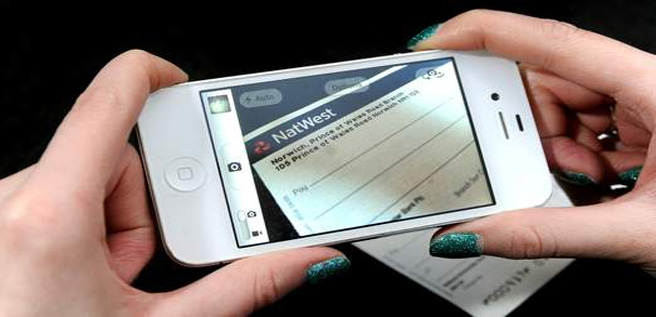
Barclays has taken a leading role in piloting this new technology, planning to launch a trial early in the upcoming year. Their pilot will enable customers to scan cheque images using smartphones or tablets, submitting them directly through the bank’s mobile app. If the trial proves successful, cheque imaging will be rolled out fully by the second half of 2014, making it accessible to millions of users nationwide.
This innovation will have profound implications, especially for those living in rural or underserved areas where bank branches have been closing and access to traditional cheque clearing facilities is limited. By enabling cheque payments via smartphone, the process becomes more convenient and accessible, allowing businesses and individuals to continue using cheques without the delays and logistical hurdles that currently exist.
Importantly, the Government also plans to ensure inclusivity for people who do not own smartphones. Similar imaging technology could be introduced at cashpoints or bank branches, allowing cheque payments to be deposited digitally without the need for the physical cheque to be mailed or transported. For those who prefer the traditional method, paper cheque payments will still be accepted, maintaining choice and flexibility.
Why This Matters: The Future of Cheques in the UK Payments Ecosystem
The decision to modernize rather than eliminate cheques underscores their ongoing significance in the UK payments system. Financial Secretary to the Treasury, Sajid Javid, emphasized the Government’s commitment to fostering innovation in banking that benefits both consumers and businesses. He remarked, “We want to take the very best of the current system and make it better. We want cheques to have a crucial role in the ongoing success of the UK.”
Speeding up cheque payments has been a long-standing demand among businesses, particularly small firms that often face cash flow challenges due to slow cheque clearing times. John Allan, national chairman of the Federation of Small Businesses, welcomed the plans, noting, “Speeding up cheque payments into business accounts is to be welcomed as many find the current process frustratingly slow. Using smartphones is an interesting idea which should allow firms in areas, particularly where bank branches are closing, to be able to accept cheques as a method of payment.”
Reducing the delay in cheque clearing will help businesses manage their finances more effectively, improving liquidity and operational efficiency. At the same time, consumers will benefit from quicker access to funds, enhancing everyday financial management.
Looking Ahead: A Blend of Tradition and Technology
The Government’s approach to cheque modernization strikes a balance between embracing technological innovation and respecting established payment preferences. By integrating cheque imaging into mobile banking, the UK is poised to maintain the cheque as a viable payment option well into the future, while drastically improving speed and convenience.
This initiative also reflects a broader trend in the banking sector, where digitization aims to create seamless, efficient, and customer-friendly experiences. The success of cheque imaging could pave the way for further technological advancements in payment processing, reinforcing the UK’s position as a leader in financial innovation.
Ultimately, this modernization effort ensures that cheques will continue to serve as a dependable financial tool, adapted for the digital era. It offers a practical solution that respects the needs of all users, from tech-savvy smartphone owners to those who prefer traditional banking methods, securing the cheque’s relevance for years to come.