Parents and caregivers face fresh concerns as two additional children’s sand kits have been withdrawn from sale following alarming test results revealing asbestos contamination. This discovery intensifies ongoing safety issues surrounding children’s play products, prompting urgent action from retailers and regulators alike.
Discovery and Immediate Response
Recent laboratory testing identified dangerous asbestos fibers in two more sand kits designed for children’s play and educational use. These kits, marketed as safe, fun activities, now pose a significant health risk due to the presence of asbestos—a known carcinogen linked to severe respiratory illnesses.
Asbestos is a fibrous mineral that, when inhaled, can cause diseases such as mesothelioma, lung cancer, and asbestosis. Its use has been heavily restricted worldwide, especially in products intended for children. The detection of asbestos in these sand kits immediately triggered a product recall and removal from retail shelves to prevent further exposure.
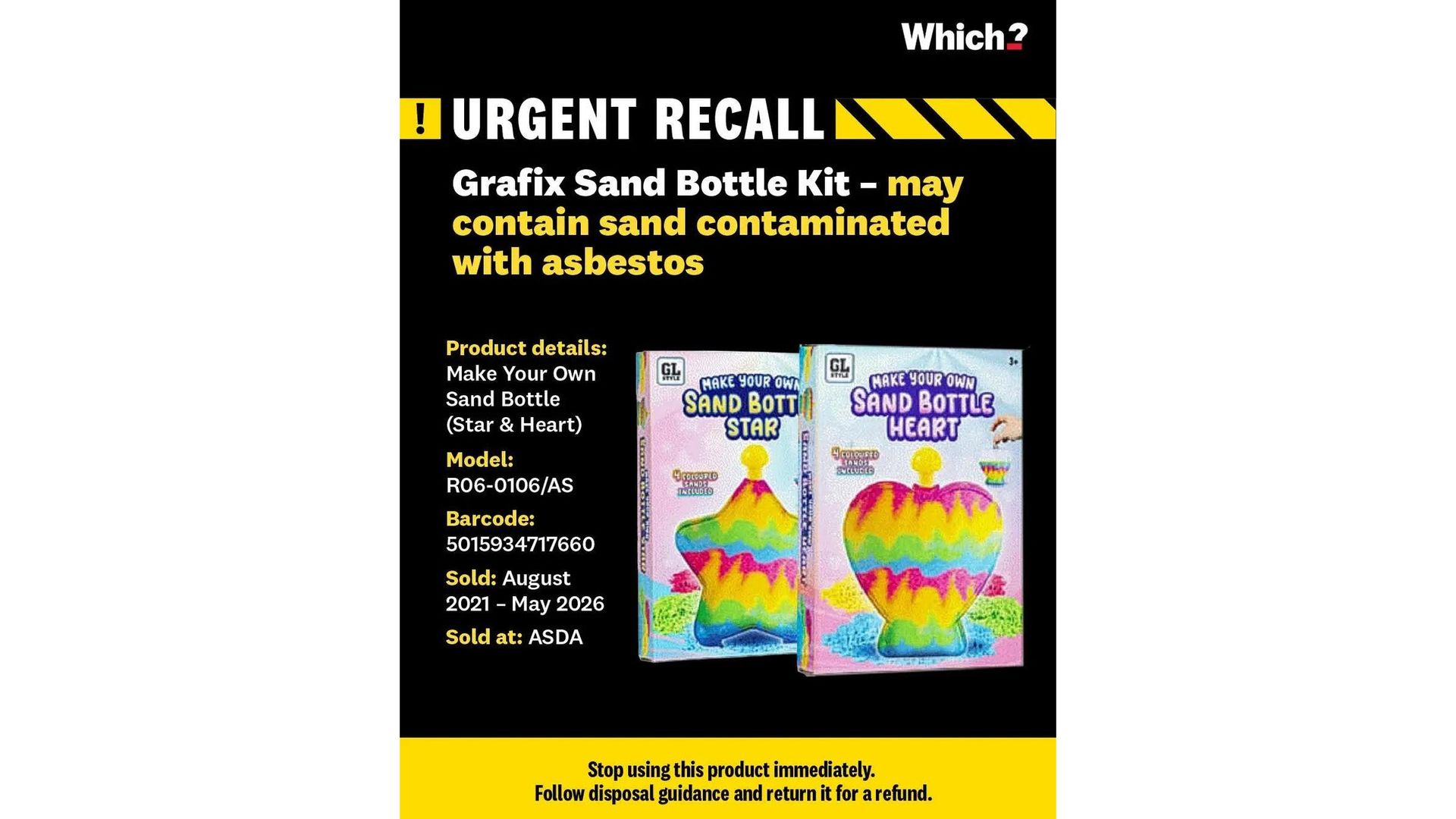
Retailers acted swiftly to pull the affected kits from their inventories and issued warnings to consumers who may have already purchased the products. Authorities are now investigating the source of the contamination to prevent similar incidents in the future.
The Broader Context: Why This Matters
The presence of asbestos in children’s toys raises serious questions about product safety standards and supply chain oversight. Sand kits are popular with parents and educators for encouraging sensory play and creativity, so the risk of exposure to toxic materials is especially concerning.
Asbestos contamination in children’s products is not unprecedented, but each new case highlights gaps in regulatory enforcement and testing protocols. Consumers rely on manufacturers and regulators to ensure that products meet stringent safety criteria before reaching the market.
These sand kits, often used indoors and handled directly by children, increase the likelihood of asbestos fibers becoming airborne and inhaled. The long latency period of asbestos-related diseases means that exposure during childhood could result in serious health problems decades later.
What Comes Next: Ensuring Safety and Accountability
Following the removal of these kits, regulatory bodies are intensifying inspections of similar products, demanding rigorous testing and certification. Manufacturers must now demonstrate greater transparency and responsibility in sourcing raw materials and conducting quality control.
Parents and educators should remain vigilant about the products they bring into children’s environments, checking for recalls and safety notices. It is also critical for consumers to report any suspected hazards to appropriate authorities to facilitate swift intervention.
In response to these findings, some retailers are reviewing their procurement processes to avoid suppliers with questionable safety practices. This incident serves as a stark reminder that even everyday toys can carry hidden dangers if vigilance lapses at any point in manufacturing or distribution.
Takeaway: Vigilance is Essential for Child Safety
The withdrawal of these two asbestos-contaminated sand kits underscores the vital importance of robust safety standards and proactive oversight in children’s products. Asbestos exposure remains a serious health threat, particularly for vulnerable groups like children, who may unknowingly come into contact with hazardous materials.
For parents, educators, and caregivers, this situation highlights the need to stay informed and cautious about the products children use. Regulatory agencies and manufacturers must continue to collaborate closely to eliminate risks and protect public health.
While the immediate recall removes the contaminated kits from the market, the broader challenge lies in preventing similar dangers from reaching consumers in the future. Ongoing vigilance, strict enforcement, and transparent communication are crucial to safeguarding the health and safety of children everywhere.