

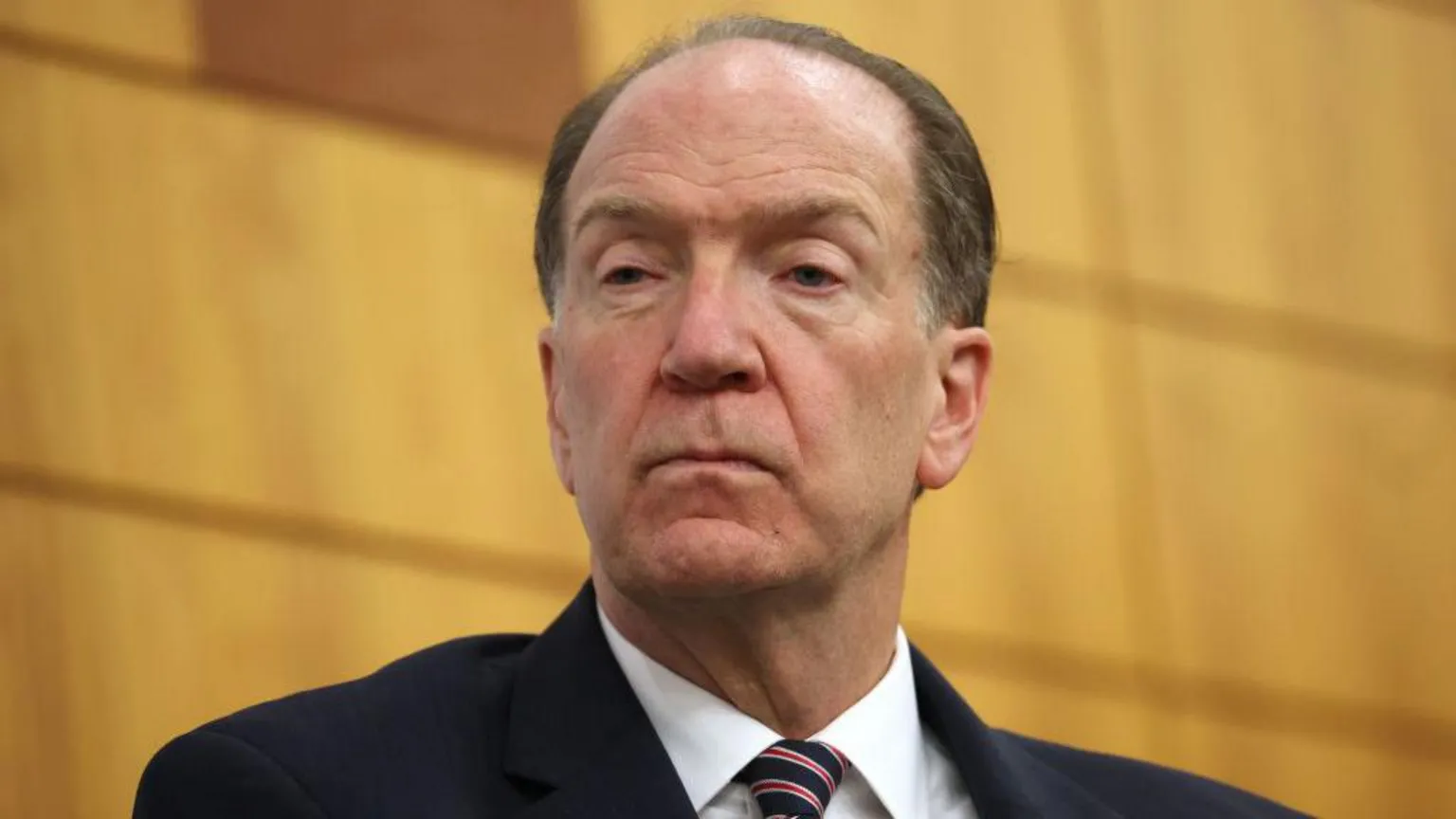
David Malpass, the former president of the World Bank, has called on China to cease hoarding essential resources such as food and fertiliser amid growing global economic and geopolitical tensions. His remarks come amid escalating debates over China’s status as a developing country and its role in international trade and security.
China’s Developing Country Status Under Debate
Malpass recently commented on China’s classification as a developing country, a label that has significant implications for its trade policies and international responsibilities. Responding to Malpass, a Chinese official emphasized that China is universally recognized as the largest developing country, a status supported by substantial evidence.
The official stated, “Upholding its status as a developing country is a legitimate right of China.” This designation impacts China’s obligations under global trade agreements and influences perceptions of its economic policies. The debate highlights the tension between China’s rapid economic rise and the expectations placed on it by the international community, especially regarding resource management and market openness.
Geopolitical Concerns: The Strait of Hormuz and Iran Ceasefire
Amid these economic discussions, Malpass also addressed the precarious situation surrounding the Iran ceasefire, which he described as being on “massive life support.” He warned of the dangers posed by rogue states possessing nuclear capabilities and stressed the critical importance of maintaining open maritime routes, particularly the Strait of Hormuz, a strategic chokepoint for global oil shipments.
Malpass urged the global community to unite behind the United States in demanding a resolution to this deadlock. He warned, “You can’t have a rogue state with plutonium, and you can’t block the Strait of Hormuz.“
He expressed hope that China would play a constructive role in resolving tensions in the Strait, emphasizing China’s significant economic interests in keeping international shipping lanes open. “China benefits from open waterways worldwide. They run the shipping lines, own the containers, and make huge profits from trade with the rest of the world,” he noted. “So, they would be a big loser if Iran in some way had control of the Strait of Hormuz.”
Economic Outlook for Americans Amid Rising Inflation
Turning to the domestic front, Malpass offered a sobering forecast for ordinary Americans facing inflationary pressures. Ahead of the release of the US inflation data for April, he predicted that prices would continue to climb, impacting a wide range of consumer goods.
“I expect some up, yes, prices will go up on many products,” Malpass said, signaling ongoing challenges for household budgets as inflation persists. These remarks come at a critical time when policymakers and consumers alike are grappling with the economic fallout of global supply chain disruptions and geopolitical instability.

Why This Matters: The Global Ripple Effects
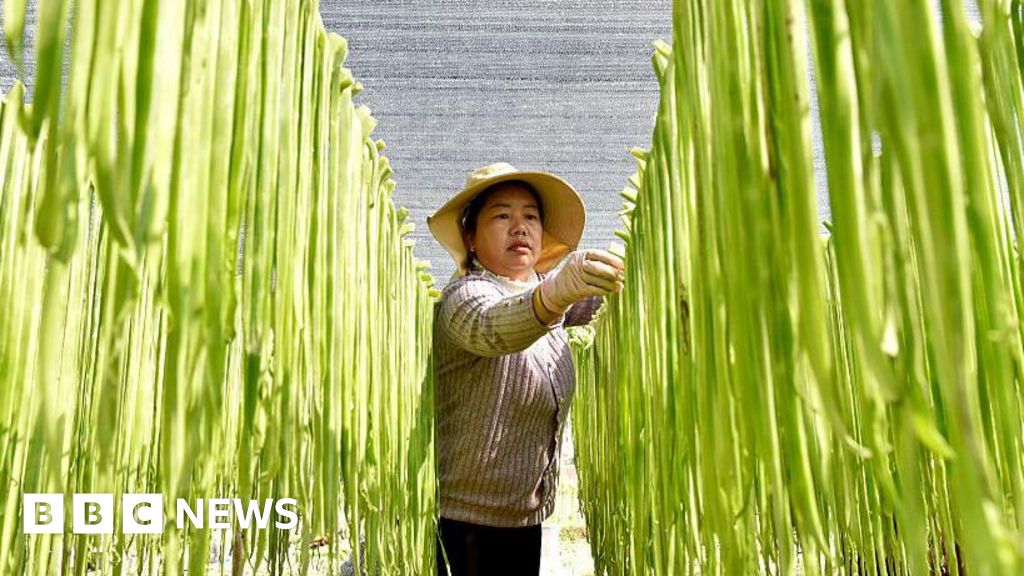
Malpass’s comments underscore the interconnectedness of global trade, security, and economic stability. China’s resource accumulation strategies, particularly in food and fertiliser, have far-reaching consequences beyond its borders, affecting global supply chains and commodity prices.
Moreover, the Strait of Hormuz remains a flashpoint with potential to disrupt energy markets worldwide. China’s role in maintaining open shipping routes is pivotal not only for its own economic interests but also for global trade stability.
For ordinary Americans, rising inflation driven by these international dynamics means tighter budgets and greater uncertainty, highlighting the need for coordinated global efforts to stabilize markets and ensure equitable resource distribution.
Looking Ahead
As tensions persist, the world watches closely how China responds to calls for greater transparency and cooperation. The upcoming meetings between global leaders, including US President Joe Biden and China’s Xi Jinping, will be critical in shaping the trajectory of economic policy and international relations.
Malpass’s insights remind us that addressing these complex challenges requires balancing national interests with global responsibilities. The path forward hinges on collaboration to prevent resource hoarding, maintain critical trade routes, and manage inflationary pressures that affect millions worldwide.