

Chris Froome, one of the most dominant figures in professional road cycling, has officially retired from competitive racing. His departure marks the conclusion of a remarkable career highlighted by four Tour de France victories and numerous other accolades that reshaped the sport in the 2010s.
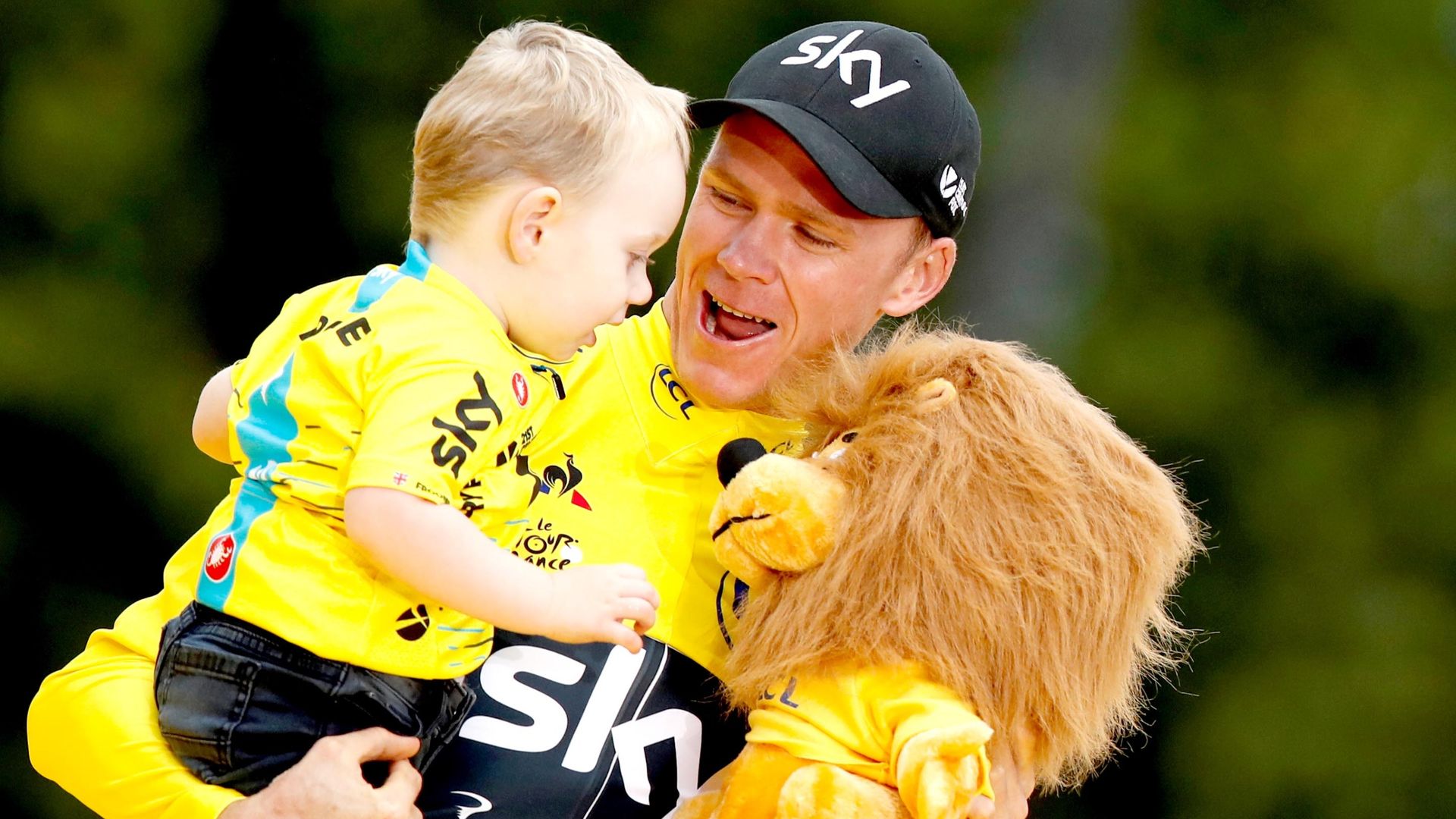
Chris Froome’s Career Highlights and Impact on Cycling
Chris Froome emerged as a cycling powerhouse in the early 2010s, quickly establishing himself as a formidable contender in Grand Tours. Born in Kenya and representing Great Britain, Froome rose through the ranks with a distinctive climbing ability and strategic racing intelligence. His breakthrough came in 2013 when he claimed his first Tour de France title, an achievement that solidified his status among cycling’s elite.
Over the next several years, Froome dominated the Tour de France, securing the yellow jersey four times (2013, 2015, 2016, and 2017). His performances were characterized by aggressive attacks on mountainous stages and a relentless pursuit of excellence. Beyond the Tour, Froome also captured victories in the Vuelta a España and the Giro d’Italia, completing the coveted career Grand Tour trifecta – a rare feat that places him in a select group of cycling legends.
Froome’s success extended beyond individual races. He played a pivotal role in elevating the profile of Team Sky (later Team INEOS), contributing to the team’s reputation for meticulous preparation, cutting-edge technology, and tactical mastery. His dominance inspired a new generation of riders while also sparking debates over training methods and anti-doping practices, reflecting the complex landscape of professional cycling during his era.
Challenges and Comebacks: The Final Chapters
Despite his triumphs, Froome’s career was not without adversity. In 2019, he suffered a devastating crash during the Critérium du Dauphiné, resulting in multiple fractures, including his femur, elbow, and ribs. The severity of the injuries cast doubt on his ability to return to elite competition.
Demonstrating resilience and determination, Froome embarked on a challenging recovery journey. He gradually returned to racing, but his performances never quite reached the dominant heights of his earlier years. The cycling world watched closely as he adapted to new roles within his team and sought to regain his former prowess.
In recent seasons, Froome transitioned to the Israel Start-Up Nation team, aiming to mentor younger riders while still competing at a high level. However, the cumulative physical toll and evolving dynamics of professional cycling influenced his decision to retire, concluding a career that spanned over a decade at the sport’s pinnacle.
What Chris Froome’s Retirement Means for Cycling
Froome’s retirement signals the end of a defining chapter in modern cycling history. His legacy is multifaceted—marked by exceptional athletic achievements, a transformation of team strategies, and a complex narrative shaped by both acclaim and controversy. As the peloton enters a new era, Froome’s departure leaves space for emerging talents to step forward and shape the future of Grand Tour racing.
Moreover, Froome’s career underscores the physical and mental demands of professional cycling. His ability to overcome injuries and maintain competitive spirit highlights the resilience required in this grueling sport. For fans and aspiring cyclists alike, Froome’s journey offers inspiration and insight into the highs and lows of elite competition.
Looking ahead, Froome’s influence may continue through coaching, commentary, or involvement in cycling development programs. His deep knowledge of race tactics and training could prove invaluable in nurturing the next generation of champions.
Closing Thoughts
Chris Froome retires not just as a four-time Tour de France winner but as a transformative figure who redefined what it means to be a Grand Tour champion. His career embodied triumph, perseverance, and evolution within the ever-challenging world of professional cycling. While his racing days have ended, Froome’s impact on the sport will resonate for years to come.