

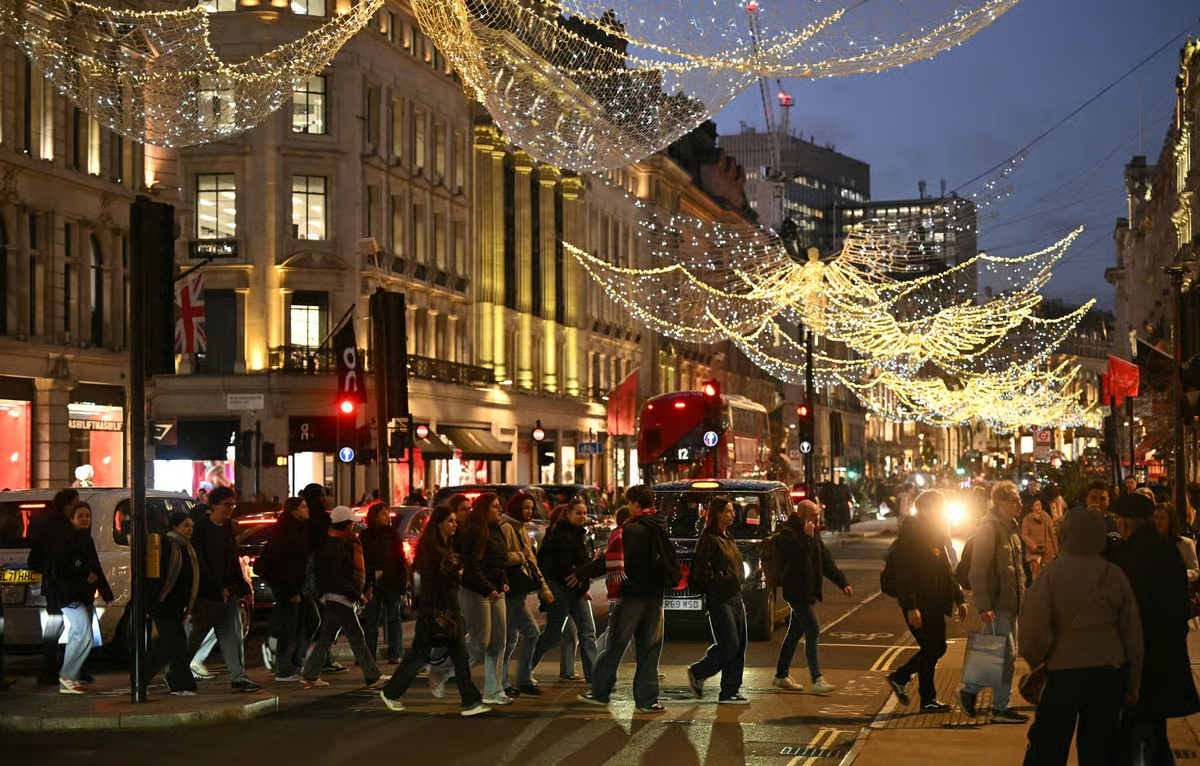
This Christmas season, shoppers across the UK are poised to unleash an astonishing £12 billion in spending over just four days, as retailers slash prices and launch aggressive promotions to capture festive sales. This intense scramble for consumer attention has sparked a fierce battle between high street stores and online platforms, each vying to maximize their share of the lucrative holiday market.
The High-Stakes Race for Christmas Sales
Retailers enter the holiday season under considerable pressure. After a sluggish autumn marked by cautious consumer spending, businesses are relying heavily on the Christmas period to boost their annual revenues. Industry experts forecast that during the crucial four-day window leading up to Christmas, a staggering 74% of shops will offer discounts and special deals to entice shoppers.
This surge in promotions is vital for smaller, independent retailers such as Toys ‘N’ Tuck in Southend-on-Sea. Owner Alan Dadswell highlights the essential role discounts play in attracting customers. “To get people to spend the money they have, they have to feel they are getting a bargain,” he explained. “We have to give them a bargain. We have to hunt with our suppliers to do good deals to get people into the store.”
The high street is expected to be bustling on the last Saturday before Christmas, with approximately 13 million people anticipated to shop in physical stores. Many of these shoppers will benefit from having finished work for the holidays by Friday, allowing them more time to browse and purchase gifts. This influx of foot traffic presents a critical opportunity for retailers eager to capitalize on last-minute buyers.

Shoppers Growing Savvier Amidst Discount Tactics
Consumer behavior is evolving alongside retail strategies. According to Diane Wehrle from Springboard, a company that monitors shop footfall, shoppers have become increasingly savvy about when and how to spend their money during the holiday season.
“Tactics definitely come into it,” Wehrle noted. “Shoppers understand that retailers are slashing prices and offering one-off specials. They wait for those moments to buy.”
Many consumers now engage in “window shopping” before the Christmas trading period officially kicks off. They identify desired products early, then patiently wait for those items to go on sale. This strategic approach to holiday shopping reflects a broader trend of consumers becoming more deliberate and price-conscious.
For some shoppers like Lizzy Clarke in Southend, this approach is paying off handsomely. She shared her excitement about the deals she found, noting, “They’ve got some great deals … 75% off in some stores and I’ve just bought some jumpers that cost me £30 last week and this week have cost me £7.”
However, not all consumers agree on the value of seasonal discounts. Rob Antoniazz expressed skepticism, stating, “The decent items in good shops are never up for sale because the demand is there to buy them.” This viewpoint highlights the persistent tension between perceived bargain opportunities and the availability of high-quality products.
The Growing Role of Online Grocery Shopping
Beyond gifts and apparel, a significant portion of Christmas spending, about half of the total during this four-day spree, is projected to be on food and groceries. Online grocery shopping, in particular, has seen dramatic growth, with an estimated £900 million being spent via internet orders.
Tesco, one of the UK’s largest supermarket chains, has reported selling twice as many turkeys online compared to last year. At its busy distribution center in Erith, Kent, staff are working around the clock to fulfill the surge in orders.
Simon Belsham, Tesco’s Managing Director of Online Grocery, explained the significance of this trend: “This is a really busy time of year for us. It really reflects that customers are looking for more and more convenient ways to shop for their Christmas presents and Christmas food.”
This shift signals a broader transformation in consumer habits, where convenience and efficiency increasingly drive purchasing decisions. Online grocery shopping not only saves time but also allows customers to avoid crowded stores during the hectic holiday season.
What This Means for Retailers and Shoppers
The £12 billion spending forecast over four days underscores the immense economic impact of the Christmas shopping season on the UK retail landscape. For retailers, especially small businesses, this period can make or break their yearly performance. The strategic use of discounts and promotions has become indispensable to attract the growing base of price-conscious, savvy shoppers.
Simultaneously, the rise in online grocery purchases highlights a significant shift in shopping preferences, reflecting changing lifestyles and the demand for convenience. Retailers who adapt to these trends with flexible, customer-focused approaches are more likely to thrive in this competitive environment.
For consumers, understanding sales cycles and timing purchases thoughtfully can yield substantial savings. However, discerning shoppers must also navigate the challenge of distinguishing genuine bargains from limited offers on less desirable items.
As the festive season unfolds, the interplay between consumer behavior, retailer tactics, and evolving market dynamics will shape the success stories of this critical retail period.