

Kiribati, a small island nation in the central Pacific Ocean, faces a dire economic and environmental crisis as climate change jeopardizes its vital fishing industry. The country’s Ministry of Fisheries warns that rising greenhouse gas emissions could slash annual fishing access fees by over $10 million by 2050, threatening the financial lifeline of this vulnerable nation.
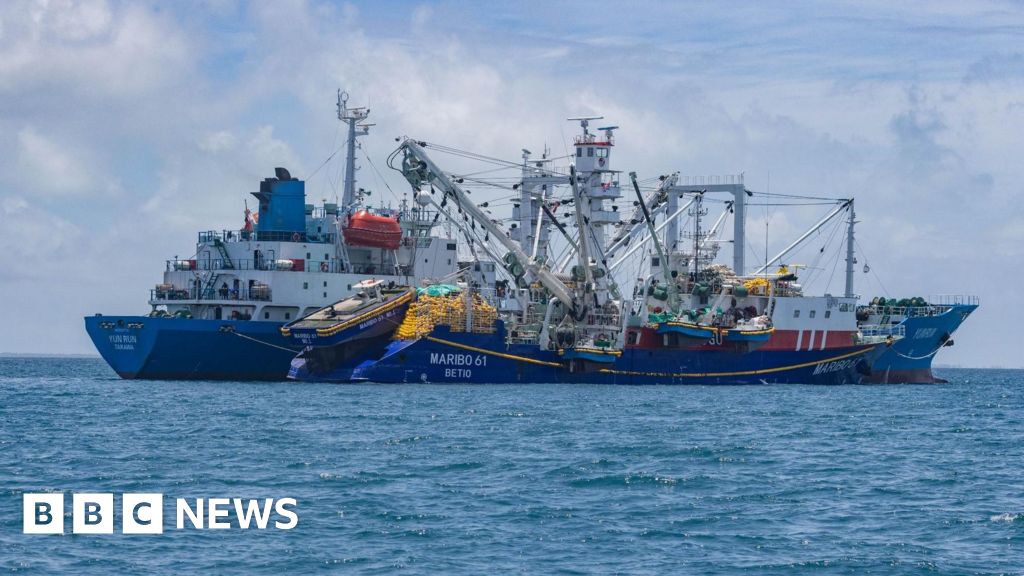
Projected Economic Losses From Declining Tuna Stocks
Kiribati’s economy heavily depends on its exclusive economic zone (EEZ), which encompasses rich tuna fishing grounds. Fishing access fees—payments from foreign fleets allowed to fish these waters—constitute a significant portion of the government’s revenue. Preliminary models from the Ministry of Fisheries reveal a stark contrast between future scenarios based on global emissions trajectories.
Under a high-emissions path, which assumes continued unabated greenhouse gas pollution, Kiribati could lose more than $10 million annually due to diminishing tuna biomass. This loss represents a substantial blow to the country’s economy, which is already constrained by limited natural resources and infrastructure.
Conversely, under a best-case scenario with aggressive emissions reductions, the models predict no decrease in tuna biomass within Kiribati’s EEZ. This suggests that global climate action could stabilize the fishing industry’s economic prospects, preserving crucial revenues for the island nation.
Local Fishermen Face Declining Catches Despite Emission Reductions
Despite the hopeful projections for overall tuna biomass, the reality for local fishermen is more troubling. The Pacific Community, an intergovernmental organization focusing on regional development, reports that Kiribati’s artisanal fishers will experience catch reductions even under low-emission scenarios.
The Line Islands, one of Kiribati’s main island groups, are projected to suffer the most severe declines. Even in the low-emission model, catch volumes could drop by two-thirds, devastating local fisheries that many communities rely on for subsistence and income.
This localized decline, coupled with the nation’s growing population—which currently stands at roughly 130,000 and is expected to increase—intensifies pressure on limited marine and terrestrial resources. Rapid urbanization, particularly in the capital Tarawa, exacerbates land scarcity and strains infrastructure, compounding the challenge of sustaining livelihoods in a changing climate.
Food Security at Risk as Fish Stocks Decline
Kiribati’s food security hinges heavily on its fish stocks. The average person in Kiribati consumes approximately 100 kilograms of fish annually, a stark contrast to consumption rates in countries like the United States (9 kg) and Japan (22 kg). Fish serves as the primary source of protein for many islanders, especially in outer island communities.
As local fish supplies dwindle, households increasingly rely on imported foods, which are often more expensive and nutritionally inferior. The United Nations Food and Agriculture Organization highlights this shift as a growing concern, warning that dependence on imports inflates costs and undermines dietary health, particularly among vulnerable populations.
The combined effects of climate-driven reductions in fish stocks, urban population growth, and dependence on imports create a perfect storm that threatens Kiribati’s food sovereignty and public health.
Why This Matters for Kiribati and the Pacific Region
Kiribati’s predicament underscores the broader challenges Pacific island nations face as climate change disrupts marine ecosystems that communities have relied on for centuries. Tuna fisheries are not only an economic backbone but also integral to cultural identity and nutrition.
As global emissions continue to rise, the risk of fisheries collapse grows, imperiling the livelihoods of thousands of artisanal fishers and the food security of entire populations. The stark difference between high and low emission scenarios demonstrates the critical importance of global climate mitigation efforts for safeguarding the Pacific’s economic and ecological future.
Moreover, the strain on Kiribati’s land and resources from rapid urbanization adds another layer of complexity, demanding integrated strategies that address both environmental and socio-economic vulnerabilities.
Looking Ahead: Navigating an Uncertain Future
Kiribati’s experience offers a cautionary tale and a call to action. Protecting its fisheries requires international cooperation to curb emissions and support adaptive measures that bolster local resilience. Investments in sustainable fishing practices, diversification of food sources, and infrastructure improvements will be essential to withstand the looming impacts of climate change.
Ultimately, Kiribati’s future hinges on balancing ecological preservation with economic realities—a challenge shared by many Pacific island nations confronting the climate crisis.