The communications watchdog has delivered a stark warning to TikTok and YouTube, declaring that both platforms remain dangerously unsafe for children. Despite mounting evidence highlighting the harmful impact on young users, these tech giants have failed to implement adequate protective measures.
What Happened: Watchdog Highlights Serious Shortcomings
The regulatory authority responsible for overseeing digital communications has issued a damning report condemning TikTok and YouTube for neglecting their duty of care toward children. The watchdog’s investigation uncovered numerous failures in the platforms’ content moderation and safety protocols, which expose children to inappropriate and potentially damaging material.
According to the report, both platforms have been repeatedly warned about the risks their services pose to minors, yet they have made insufficient progress in curbing these threats. The watchdog emphasized that the abundance of harmful content available to children online has a profound negative effect on their well-being, mental health, and development.
Why It Matters: The Growing Impact on Children’s Safety and Mental Health
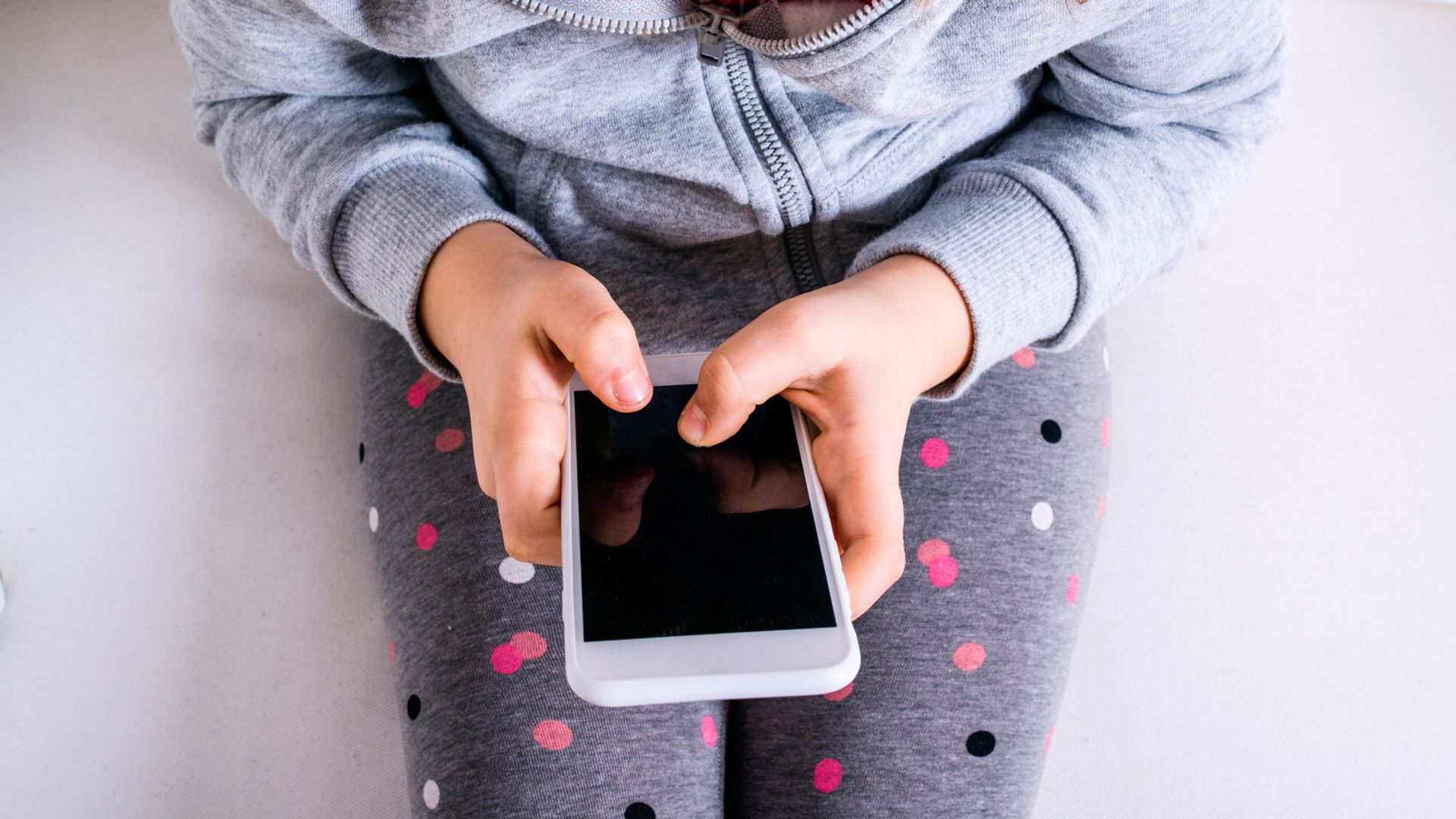
With millions of children worldwide engaging daily with TikTok and YouTube, the stakes have never been higher. These platforms host an enormous volume of user-generated content, making it challenging to shield young audiences from exposure to violent, explicit, or misleading videos. Their algorithms often promote sensational or provocative content, increasing the risk of children encountering damaging material.
Experts have linked excessive exposure to inappropriate content with increased anxiety, depression, and other mental health issues among children and teenagers. The lack of robust safety measures on TikTok and YouTube undermines parents’ ability to protect their children and raises urgent questions about the responsibilities of social media companies.
Moreover, the platforms’ failure to act effectively contradicts their public commitments to child safety. This disconnect fuels concerns about the sincerity and effectiveness of self-regulation efforts within the tech industry, prompting calls for stronger external oversight.
What Comes Next: Calls for Stricter Regulation and Platform Accountability
In response to the watchdog’s findings, policymakers and child welfare advocates are demanding tougher regulations to hold TikTok and YouTube accountable. There is growing momentum for legislative action that would enforce stricter safety standards, mandate transparent content moderation practices, and impose penalties for non-compliance.
Some experts argue that these platforms should be required to implement more advanced age verification systems, improve parental controls, and enhance their AI-driven content filters. The goal is to create a safer digital environment where children can explore and learn without unnecessary risk.
Industry insiders acknowledge the challenges of balancing free expression with safety concerns but stress that protecting vulnerable users must be a paramount priority. The watchdog’s report serves as a critical wake-up call to the tech community and regulators alike.
Looking Ahead: Protecting Children in the Digital Age
The failure of TikTok and YouTube to adequately protect children highlights a broader systemic issue within the digital ecosystem. As young users increasingly turn to online platforms for entertainment and education, the responsibility to safeguard them grows more urgent. Without decisive action, the harmful effects on children’s health and well-being will likely intensify.
For parents, educators, and policymakers, this moment underscores the need for vigilance, advocacy, and collaboration to ensure that children can navigate the online world safely. It also signals that platforms must move beyond superficial measures and embrace comprehensive strategies to address these critical safety concerns.
Ultimately, the watchdog’s critique is a call to action: TikTok and YouTube must prioritize child safety or face increased regulatory scrutiny and potential legal consequences. The future of digital childhood depends on it.