

The recent local elections have dramatically reshaped the political map across the United Kingdom, with major parties suffering significant losses and smaller parties making historic gains. Labour’s widespread seat losses, a sharp decline in Conservative representation, and the breakthrough of the Green Party in the Welsh Senedd signal a turbulent political environment heading into the next general election cycle.
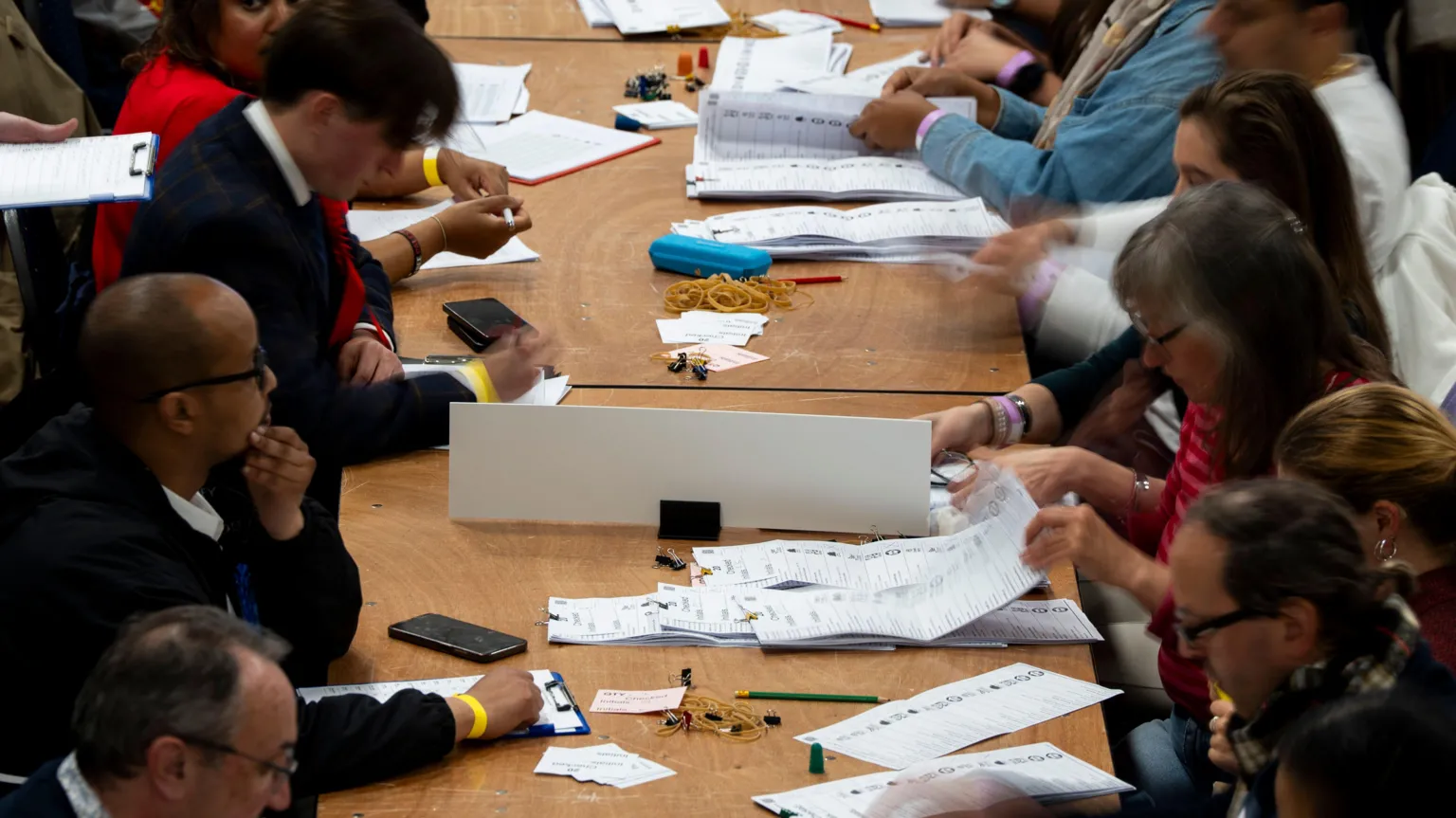
Conservative Collapse and Green Party Breakthrough in Wales
The Conservatives have endured a devastating blow, with their representation slashed by two-thirds. Their numbers dropped from 22 to just seven members, leaving a fragmented and weakened presence. This steep decline underscores the challenges facing the party amid shifting voter allegiances and growing dissatisfaction in key regions.
Meanwhile, the Green Party has secured a historic foothold in Welsh politics by winning two seats in the Senedd. This marks the first time the Greens have gained representation since the Welsh Parliament was established in 1999, highlighting growing environmental concerns among voters. The Greens’ success contrasts with the Liberal Democrats, who failed to expand beyond their single seat, indicating limited momentum for the party in Wales.
Labour’s Painful Decline Across England
Across England, Labour suffered substantial losses, forfeiting more than 1,460 council seats nationwide. While London’s losses were comparatively moderate, many of Labour’s traditional strongholds experienced sharp declines, reflecting voter frustration and the rise of alternative parties.
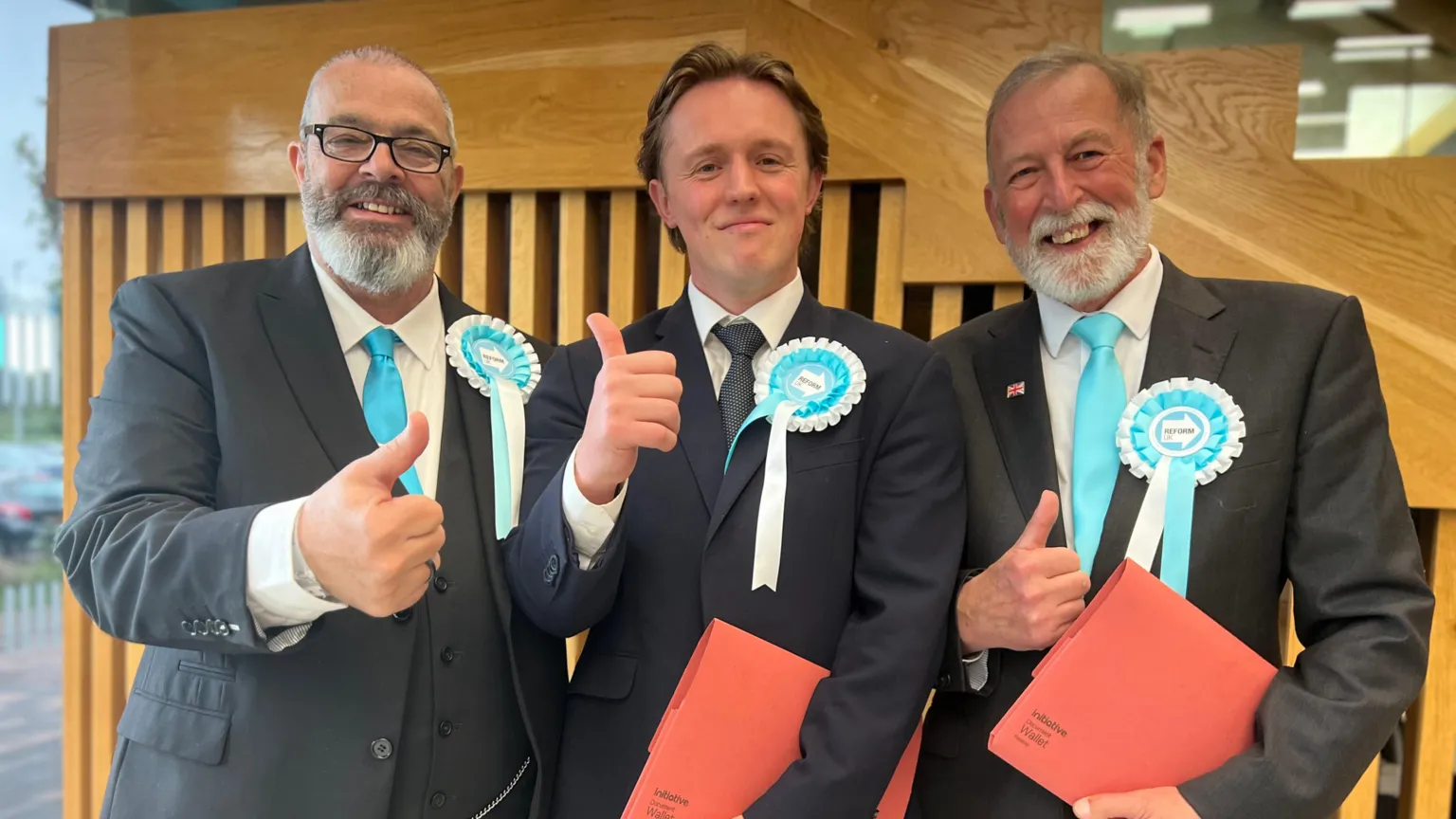
One of the most striking setbacks occurred in Thurrock, where Labour lost control to the Reform UK party. The surge of Nigel Farage’s party also led to Labour losing authority in key councils including Birmingham, Redditch, Hartlepool, Tameside, Hyndburn, and Cannock Chase. The rise of Reform UK in these areas signals a shift towards populist and anti-establishment sentiment among voters disillusioned with traditional political options.
Labour also lost control of Cambridge City Council, where the Greens capitalized on environmental and progressive platforms to gain ground. In Leeds, Labour found itself squeezed between the advancing Greens and the Reform party, losing its dominant position.

Labour Retains Camden but Faces Growing Pressure
In Camden, the London borough that includes Prime Minister Rishi Sunak’s constituency, Labour managed to hold onto power despite losing 16 council seats. The Greens made significant advances here, gaining 10 seats and signaling a shift in voter priorities toward climate and social justice issues.
Maintaining control in Camden offers some relief for Labour leader Sir Keir Starmer, whose own parliamentary seat is in Holborn and St Pancras within the borough. However, the overall losses across the country have intensified scrutiny of his leadership as the party grapples with rebuilding trust and momentum.
What This Means for UK Politics Moving Forward
The election results reflect a fragmented political landscape with rising multiparty competition. Labour’s heavy losses across England suggest growing voter dissatisfaction and the need for the party to reconnect with its base, especially in former heartlands now trending away from Labour. The Conservative Party’s dramatic decline in representation further complicates the center-right’s prospects ahead of forthcoming national elections.
The emergence of the Green Party as a credible force, especially in Wales and parts of England, highlights the increasing importance of environmental issues and progressive policies in local politics. Simultaneously, the rise of Reform UK reveals a surge in populist sentiment that challenges established parties to address voters’ concerns around governance, immigration, and economic security.
As the UK heads toward future elections, these shifts underscore the volatility of voter allegiance and the necessity for major parties to adapt their strategies. The fractured council landscape will demand coalition-building and compromise, with smaller parties playing pivotal roles in local governance and potentially influencing national policy debates.
In summary, the recent election outcomes serve as a crucial wake-up call for Labour and the Conservatives, while presenting new opportunities for the Greens and Reform UK. The evolving political dynamics will shape the country’s governance and policy direction in the years ahead.