

The Conservative Party endured significant setbacks in recent UK elections, losing hundreds of seats across England, Wales, and Scotland. Yet, despite these electoral blows, **Kemi Badenoch** faces no immediate pressure on her leadership, signaling a complex political landscape for the party as it navigates its future.
Election Outcomes: A Challenging Night for the Conservatives
In England, the Conservatives lost more than 500 council seats and control of six local authorities, marking one of their worst performances in recent memory. The party’s struggles extended beyond England’s borders, with Wales delivering a particularly harsh verdict. The Conservatives lost 22 seats in the **Welsh Senedd**, slipping to fifth place behind emerging competitors.
Scotland’s vote counting is still underway, but early projections from the BBC suggest the Conservative Party could finish fifth as well, securing only 13 or 14 seats. These results reflect the growing strength of alternative parties like the **Reform UK** and the **Liberal Democrats**, both of which have siphoned votes from the Conservatives in multiple regions.
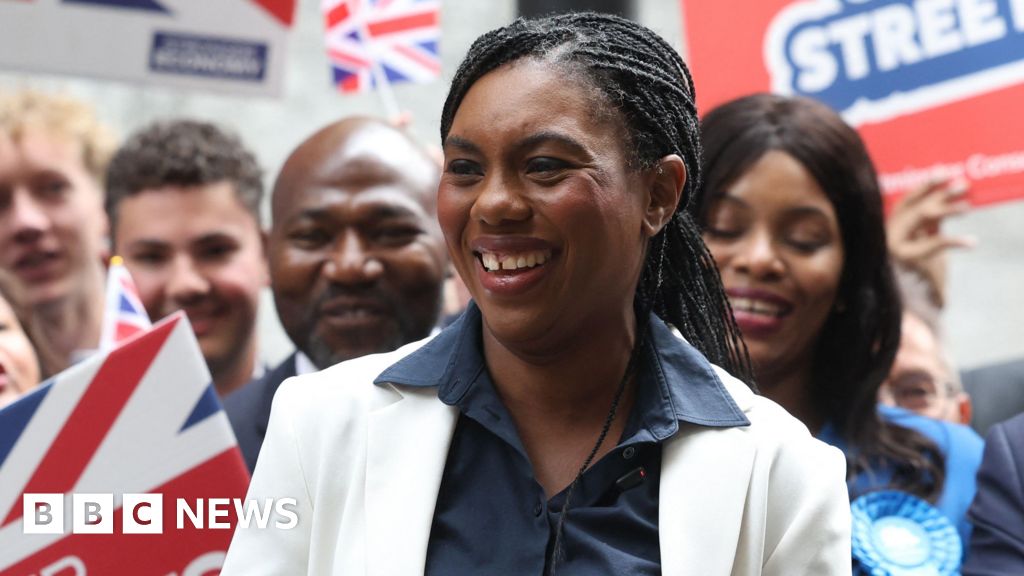
Kemi Badenoch’s Position: Stability Amid Turbulence
Despite the string of losses, **Kemi Badenoch**, who became the Conservative leader earlier this year, has maintained a confident stance. She has emphasized that “good strategy takes time,” suggesting that the party’s current setbacks may form part of a longer-term plan to rebuild and regain voter trust.
Interestingly, while the Conservatives suffered heavy losses overall, there were some positive signs. The party’s projected national vote share modestly increased from 15% last year to 17% this year. Additionally, the Conservatives managed to wrest control of Westminster City Council from Labour, a notable victory amid widespread defeats.
These mixed results contribute to a nuanced picture of the Conservative Party’s current condition — one of both challenge and opportunity.
Why Leadership Pressure on Badenoch Has Not Materialized
Given the scale of the Conservative setbacks, many political observers might have expected immediate calls for a leadership change. However, no such speculation has emerged around **Kemi Badenoch**. This apparent contradiction stems from the party’s internal consensus and recent political developments.
In the weeks leading up to the elections, it became clear within Conservative circles that Badenoch’s leadership was not under threat regardless of how the party performed at the polls. This unusual stance reflects a strategic decision to allow her time to implement her vision for the party’s revival without the distraction of leadership challenges.
Moreover, Badenoch’s leadership style and policy positions have resonated with key factions within the Conservative Party, reinforcing her standing. Her ability to withstand electoral losses without triggering internal turmoil points to a deliberate effort by party members to avoid destabilizing a leadership transition at a vulnerable moment.
What This Means for the Conservative Party Moving Forward
The election results underscore the urgent need for the Conservative Party to reassess its approach and reconnect with voters amid a shifting political landscape. The rise of parties like Reform UK and the Liberal Democrats indicates a fragmentation of the traditional Conservative base, particularly in England and Wales.
**Kemi Badenoch’s** continued leadership signals the party’s commitment to a longer-term strategy rather than quick fixes. Her ability to hold onto leadership despite significant losses suggests that the Conservatives prioritize stability as they navigate their path forward.
For voters and political analysts alike, the coming months will be critical in determining whether Badenoch’s approach can reverse the party’s fortunes or if further recalibrations will be necessary ahead of future national elections.
In summary, while the Conservative Party faces substantial challenges following this election cycle, the absence of leadership pressure on **Kemi Badenoch** highlights a calculated decision to prioritize continuity and strategic patience. How this strategy unfolds will shape the party’s relevance and influence in the UK’s evolving political arena.