

The Conservative Party is positioning itself as the only political force with a concrete plan to address England’s pressing challenges, according to party leader Kemi Badenoch. As voters prepare to cast ballots on 7 May for 136 of the 317 local councils across England, Badenoch launched the party’s campaign with a confident message that sets the Tories apart from their rivals.
A Defining Moment: What Badenoch Said at the Campaign Launch
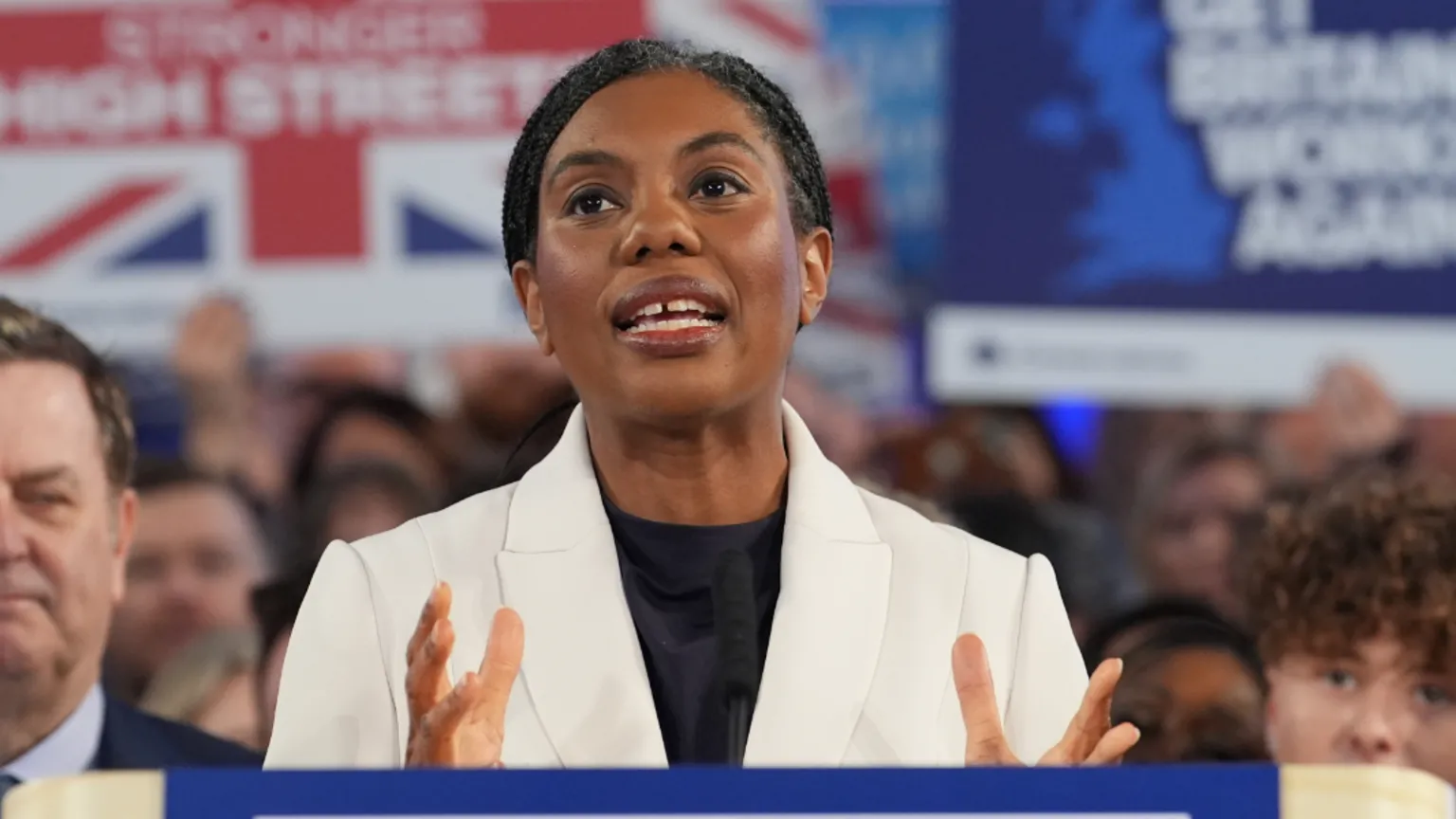
Speaking at a rally in London, Badenoch framed the upcoming elections as a clear choice between “parties whingeing on” and the Conservatives, who she described as “a party that can actually fix things.” Her remarks highlighted a determination to push forward despite the hurdles facing the party in local elections.
In a subsequent interview with the BBC, Badenoch acknowledged the elections would present a “challenge” but insisted she would maintain her firm strategy regardless of the outcomes. “When you have a long-term strategy, you don’t necessarily get the outcomes immediately,” she said, cautioning against “flip-flopping” in response to electoral pressure.
She further explained the evolving political landscape with multiple parties competing for power, making election results unpredictable. “The world has changed, we are in a multi-party system,” Badenoch said, underscoring the complexity of modern British politics and the need for resilience.
Conservative Policy Promises and Election Stakes
Despite struggling in national opinion polls since the 2024 general election, Badenoch conveyed optimism about the party’s resurgence. She accused opposition parties of failing to “do the work” necessary to solve the country’s problems and asserted that the Conservatives possess “the courage, the competence and the team” to “get Britain working again.”
Badenoch was candid about the party’s approach to governance, admitting not all voters would agree with their plans but emphasizing that the Tories would no longer attempt to “please everyone all the time.” The party has acknowledged past missteps on issues like tax and immigration and issued apologies, yet Badenoch warned against entrusting local councils and the country to what she called “third-rate people who do not know what they are doing.”
Among the Conservatives’ key local election pledges is a promise to exempt retail, hospitality, and leisure businesses in England from business rates tax, up to an annual cap of £110,000. This move aims to support sectors still recovering from pandemic-related disruptions.
Looking beyond local government, Badenoch outlined broader policies the party intends to implement if it wins a future general election. These include cutting environmental taxes to reduce energy bills and abolishing stamp duty, measures designed to spur economic growth and ease financial burdens on households and businesses.
On law enforcement, Badenoch pledged a substantial investment of £800 million to recruit 10,000 new police officers. She vowed to prioritize crime-fighting, sending a stern message to offenders: “Shoplifters, phone thieves, violent thugs — your days of getting off scot-free are numbered.”
The Scope and Significance of the May Elections
On 7 May, approximately 5,000 council seats across 136 councils will be contested. Councillors play a critical role in managing essential local services such as social care, waste collection, and community safety, making these elections pivotal for everyday life in communities.
Earlier plans to postpone elections in 30 councils, aimed at facilitating a major local government reorganisation, were reversed following a legal challenge by Reform UK. This reinstated the full slate of elections, underscoring the importance of democratic continuity and local representation.
Additionally, voters will elect representatives to the national parliaments of Scotland and Wales and select mayors in key areas including Croydon, Hackney, Lewisham, Newham, Tower Hamlets, and Watford, making 7 May a significant day across multiple layers of government.

What This Means for Britain’s Political Landscape
Kemi Badenoch’s assertive campaign launch signals the Conservative Party’s intent to confront the challenges facing local and national governance head-on. By presenting the Tories as the party of action and competence, Badenoch aims to rebuild voter trust amid a fragmented political system.
The emphasis on long-term strategy, combined with promises of tax relief for businesses and tougher crime policies, reflects a focused approach designed to appeal to both traditional Conservative supporters and those disillusioned with the current state of affairs.
However, the multi-party environment and the party’s admission that electoral outcomes may vary suggest that the Conservatives face a complex road ahead. The local elections will serve as a barometer for public sentiment, testing Badenoch’s leadership and the party’s ability to translate policy promises into electoral success.
As voters head to the polls, the stakes remain high—not only for control over local services but also for the broader direction of the UK’s political future.