

The escalating war between America, Israel, and Iran has thrust the global spotlight back on the Middle East, capturing headlines with scenes of conflict in Iran, Israel, Lebanon, and the United Arab Emirates. Yet, beyond the immediate geopolitical turmoil, the reverberations are hitting households thousands of miles away—most notably in the UK—where the cost of living crisis is resurfacing with renewed urgency.
Domestic Fallout: From Stranded Britons to Soaring Energy Bills
While the Foreign Office grapples with the complex logistics of evacuating British nationals caught in the escalating conflict—a task complicated by limited airspace and scarce flight availability—another consequence looms larger for millions: the soaring costs of everyday essentials, especially energy.
Chancellor Rachel Reeves has acknowledged the gravity of the situation, describing herself as “clear eyed” about the unfolding economic challenges. Yet, the government currently remains cautious, holding a measured stance as it assesses uncertain variables—chief among them the duration and severity of the conflict and whether vital oil shipments through the Strait of Hormuz will resume unimpeded.
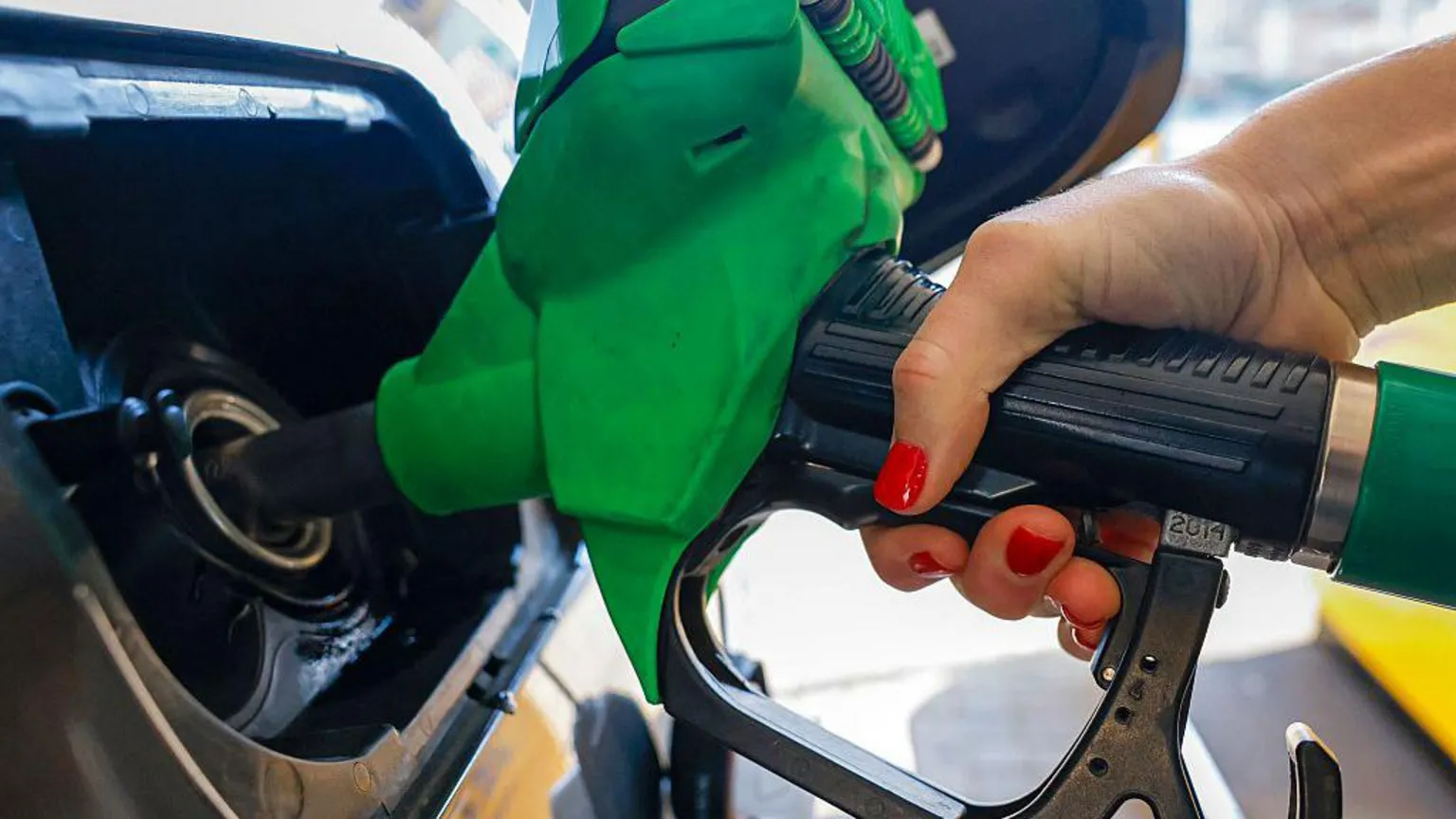
In recent days, petrol prices have surged noticeably, prompting sharp criticism from opposition parties such as Reform UK. MPs have also raised urgent concerns about the spike in heating oil prices—a critical issue for rural communities and a significant portion of households in Northern Ireland that rely on heating oil instead of gas.
Government ministers have publicly expressed alarm over potential profiteering in the heating oil market. However, industry insiders counter that suppliers are largely “price takers,” lacking substantial storage capacity and forced to pass wholesale price increases directly to consumers. This reality underscores the immediate and tangible impact of global instability on domestic energy bills.
Energy Price Cap and Economic Implications
To shield consumers, the government has maintained an energy price cap on electricity and gas costs through the end of June. This mechanism aims to temper the financial shock for households amid volatile international markets.
Former Chancellor Sir Jeremy Hunt offered a revealing perspective in the House of Commons, noting that during his tenure, the Treasury operated on a “rule of thumb”: a 20% rise in energy prices translated to a 1% increase in inflation and a 0.5% reduction in economic growth. This formula underscores the delicate balance policymakers must strike between managing inflationary pressures and safeguarding economic expansion.
MPs are scheduled to meet with a Treasury minister to discuss these concerns, seeking solutions to alleviate the strain on constituents facing rising heating oil bills and fuel costs.
Why This Matters: The Broader Economic Context
The UK is confronting a trifecta of economic shocks in recent years: the global pandemic, Russia’s invasion of Ukraine, and now the intensifying conflict in the Middle East. Each event has sent ripples through energy markets and supply chains, compounding pressures on household finances.
For millions already stretched thin, the renewed surge in living costs threatens to deepen financial insecurity. Prime Minister Sir Keir Starmer has repeatedly emphasized the urgency of addressing the cost of living, but his message has often been drowned out amid competing crises both domestically and internationally.
The hope remains that peace will return swiftly to the Middle East, allowing oil flows to normalize and easing the upward pressure on fuel and energy prices. However, the UK government’s limited influence over the conflict’s trajectory means families must brace for continued uncertainty.
As this geopolitical crisis unfolds, the cost of living will remain a dominant concern for policymakers and citizens alike, shaping economic debates and daily realities for the foreseeable future.
Looking Ahead
The intersection of international conflict and domestic economic hardship highlights the complex challenges facing modern governments. With energy prices deeply intertwined with global events, UK households face a precarious period ahead.
While mechanisms like the energy price cap provide temporary relief, long-term solutions will require resilience, strategic planning, and perhaps most importantly, stability in global energy markets. Until then, the cost of living remains firmly in the spotlight, a critical issue demanding urgent attention from all levels of government.