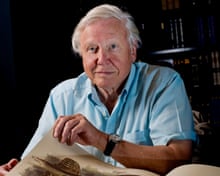
Few figures have shaped the way we see the natural world quite like Sir David Attenborough. Over a career spanning more than seven decades, Attenborough transformed wildlife filmmaking from simple documentation into a powerful blend of education, artistry, and conservation advocacy. His pioneering work not only brought the wonders of nature into millions of homes but forever altered the standards of film and television production.


A Trailblazer in Natural History Broadcasting
David Attenborough’s journey began in the early days of the BBC, where he started as a producer and presenter in the 1950s. At a time when wildlife programming was rare and often limited to black-and-white footage, Attenborough envisioned something far more immersive and dynamic. His groundbreaking series, Zoo Quest, brought exotic animals and distant ecosystems into the living rooms of viewers, sparking widespread curiosity and enthusiasm for the natural world.
Attenborough’s approach was revolutionary. He insisted on filming wildlife in their natural habitats with unprecedented patience and attention to detail, using innovative techniques and equipment. This commitment culminated in landmark series such as The Life Collection, a comprehensive survey of the planet’s biodiversity, which set new standards for cinematography and storytelling in nature documentaries.
Changing the Language of Environmental Storytelling
Beyond technical innovation, Attenborough redefined how nature stories are told on screen. His distinctive, warm narration style created a personal connection between the audience and the animal kingdom. Rather than portraying animals as mere curiosities, he highlighted their behaviors, struggles, and roles within fragile ecosystems, fostering empathy and understanding.
His films also evolved to reflect growing environmental awareness. Attenborough became an outspoken advocate for conservation, using the global platform his work provided to raise awareness about threats such as habitat loss, climate change, and species extinction. His recent documentaries, including Blue Planet II and David Attenborough: A Life on Our Planet, emphasize humanity’s impact on Earth and call for urgent action.

Why Attenborough’s Legacy Matters Today
Sir David Attenborough’s influence extends far beyond the realm of television. He has inspired generations of scientists, filmmakers, and activists, helping to create a global culture that values biodiversity and sustainability. His work has shaped environmental education worldwide, making complex scientific topics accessible and compelling for audiences of all ages.
In an era of unprecedented ecological challenges, Attenborough’s films serve as both a celebration of nature’s beauty and a sobering reminder of what is at stake. They compel viewers to recognize their role in protecting the planet for future generations. This blend of wonder and urgency has made his storytelling uniquely powerful and enduring.

Moreover, his commitment to quality and integrity in filmmaking set a benchmark that continues to influence documentary production across genres. By combining rigorous science with cinematic excellence, Attenborough raised expectations for what natural history media could achieve.
Looking Ahead: The Enduring Power of Attenborough’s Vision
As new technologies emerge and environmental crises deepen, the need for compelling, truthful storytelling about the natural world has never been greater. Sir David Attenborough’s pioneering spirit and dedication to illuminating Earth’s biodiversity offer a blueprint for future filmmakers and communicators.
His legacy reminds us that storytelling can be a catalyst for change—bridging the gap between knowledge and action. By engaging hearts and minds through stunning visuals and thoughtful narration, Attenborough has redefined how we see ourselves in relation to nature.

In celebrating his extraordinary contributions, we recognize that the power of film and television to inspire conservation and stewardship is profound and ongoing. Attenborough’s work not only transformed an industry but helped shape a global movement toward a more sustainable future.

David Attenborough’s career stands as a testament to the transformative power of storytelling in film and television—connecting humanity to the natural world with clarity, compassion, and urgency.