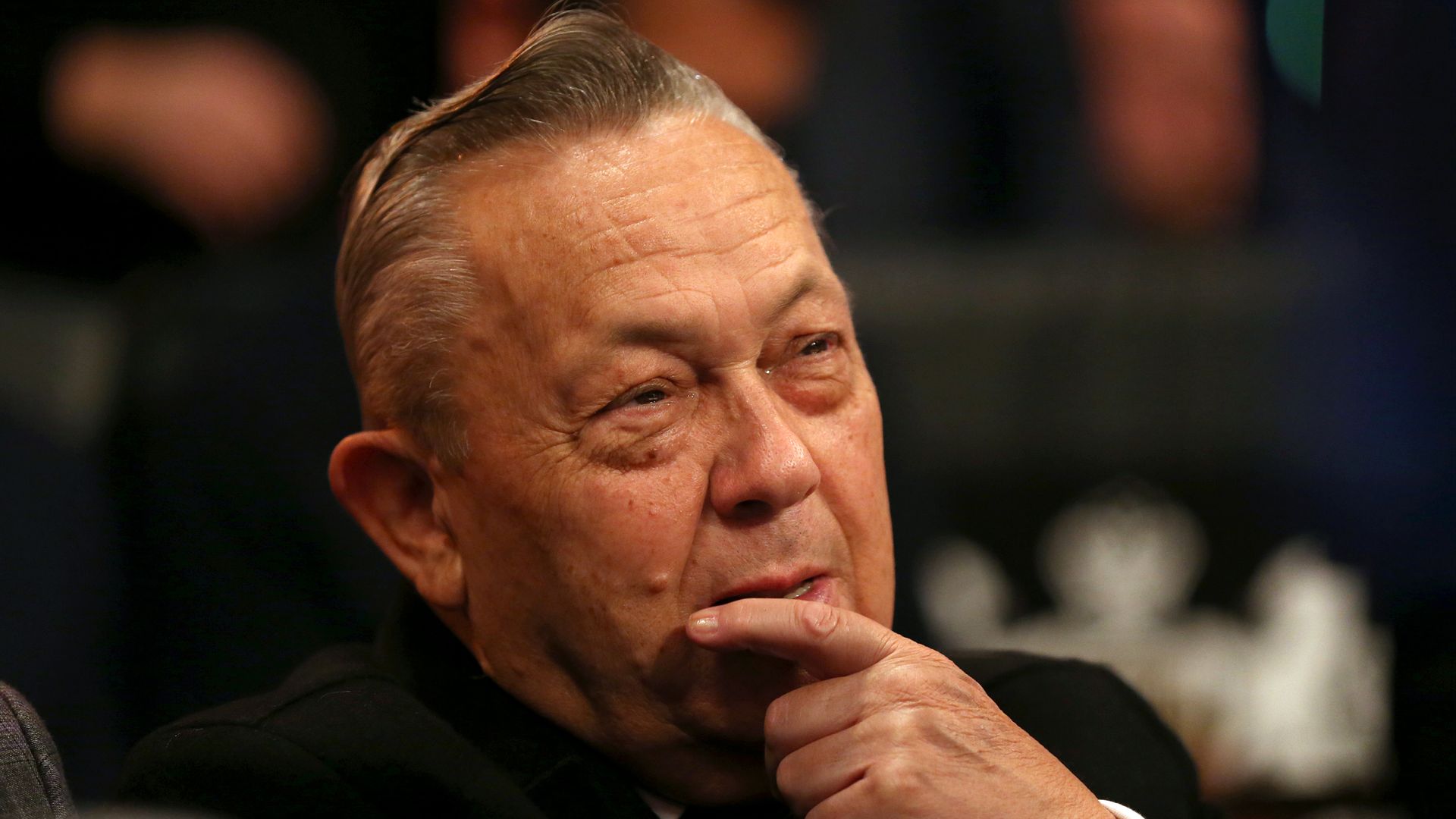
David Sullivan, the prominent joint-chairman of Premier League club West Ham United, has stepped down from his position following the announcement of serious historic allegations against him. The club confirmed that Sullivan chose to resign after being informed about the upcoming release of these claims, which have yet to be fully disclosed.
What Led to David Sullivan’s Resignation
West Ham United formally announced that David Sullivan voluntarily stepped down due to the impending publication of “serious historic allegations.” While the exact nature of these allegations remains undisclosed, the club’s statement emphasizes the gravity of the situation. Sullivan’s decision to step down appears to be a proactive move to allow the club to focus on its operations without distraction.
David Sullivan, along with David Gold, has been a key figure in West Ham’s ownership structure for over a decade. Together, they have overseen significant developments at the club, including the move to the London Stadium in 2016 and efforts to establish West Ham as a competitive Premier League side. Sullivan’s departure from his executive role marks a significant moment for the club’s leadership.
Background on David Sullivan and West Ham United
David Sullivan, a British businessman, has long been associated with football club ownership, with West Ham United being one of his most high-profile ventures. He initially acquired a stake in the club in 2010 alongside David Gold, and together they have invested substantially in the team and infrastructure.
West Ham United, based in East London, is a club with a passionate fan base and a rich history dating back to 1895. The club’s move to the London Stadium was intended to boost its profile and revenue streams, enabling it to compete more effectively in the Premier League. Sullivan’s role in these developments has often been highlighted as instrumental.
However, this recent development raises questions about the club’s immediate future and the potential impact on its governance. The Premier League and football community often scrutinize ownership and executive leadership closely, especially when allegations arise that could affect the club’s reputation.
What This Means for West Ham United and Its Fans
The resignation of David Sullivan as joint-chair brings uncertainty to West Ham United’s leadership during a crucial period for the club. Fans and stakeholders will be closely watching how the club navigates this challenge, particularly with the ongoing demands of Premier League competition and ambitions for growth.
West Ham’s board will need to address the leadership gap and reassure supporters about the club’s stability. This situation also highlights the broader issue of accountability and transparency within football club management, emphasizing the importance of integrity among those in charge.
While the allegations against Sullivan are historic, their public disclosure could have lasting repercussions on his reputation and the club’s image. West Ham United must balance managing the fallout with maintaining focus on its sporting objectives.
Looking Ahead: The Road Forward for West Ham
As the details of the allegations remain under wraps, West Ham United faces a critical juncture. The club must ensure robust governance structures remain in place to maintain confidence among fans, players, and commercial partners. Leadership decisions in the coming weeks will be pivotal in determining how the club moves forward.
For David Sullivan, stepping down may be a step toward addressing the allegations responsibly. Meanwhile, West Ham United’s executive team will likely work to stabilize operations and prepare for any repercussions that might arise from this controversy.
In summary, David Sullivan’s resignation as joint-chair of West Ham United amid serious historic allegations presents a significant challenge for the club. How West Ham manages the situation will not only impact its immediate future but also set a precedent for handling executive controversies in football.