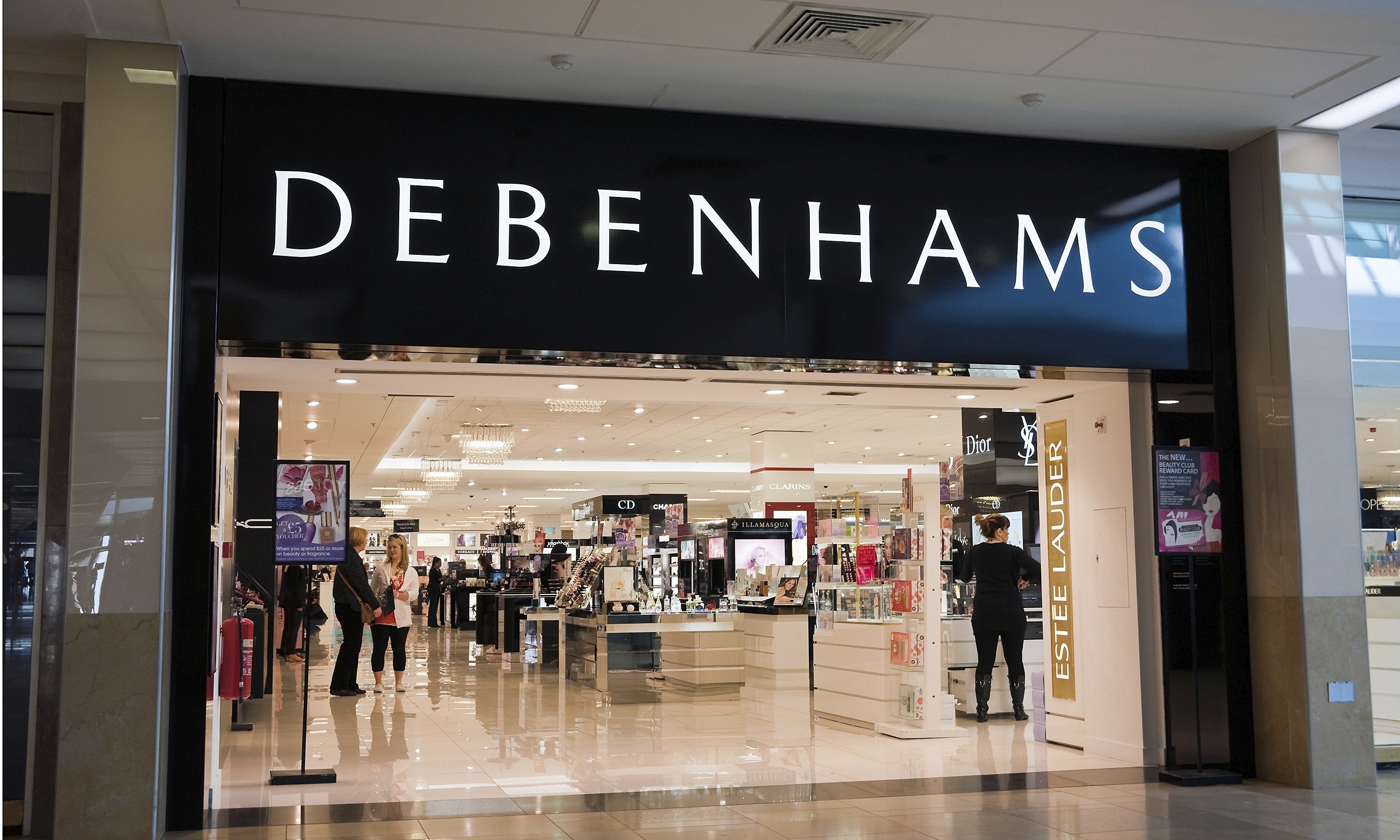
The sudden resignation of Debenhams’ chief financial officer, Simon Herrick, has sent shockwaves through the retail sector, coming just 48 hours after the department store issued a stark post-Christmas profits warning. This unexpected leadership change highlights mounting challenges within the company amid a turbulent market environment that has put significant pressure on traditional high street retailers.
What Happened at Debenhams?
Simon Herrick’s departure follows a period of intense scrutiny over his handling of supplier relationships during the critical festive trading period. Media reports revealed that just eight days before Christmas, Herrick requested suppliers to provide a financial concession, a move that was widely interpreted as an attempt to compensate for a fragile trading environment. Industry insiders and commentators dubbed this request a ‘Santa tax,’ reflecting the unusual timing and the pressure on Debenhams’ margins.
In a letter sent to suppliers, Herrick framed the request as a collaborative effort, stating: “As we will mutually benefit from the growth of Debenhams, we are now seeking a contribution from our suppliers to support our commitment to ongoing investment.” The letter outlined specific measures, including a “single-sum contribution on all outstanding payments on your account at close December 17” and “an additional discount of 2.5% applied to all open orders on our system at close on December 17.”
Importantly, Herrick emphasized that this contribution was temporary, clarifying, “This is a contribution and not a permanent amendment to your trading terms with Debenhams.” Despite this reassurance, the request sparked concern among suppliers and industry watchers, highlighting the financial strain the retailer was under as it entered the crucial Christmas trading period.
__IMAGE_PLACEHOLDER_1__
Why Did Debenhams Issue a Profit Warning?
On Tuesday, Debenhams lowered its profit outlook for the 17 weeks ending December 28, revealing a disappointing £85 million profit. This figure was significantly down from the £114.7 million reported in the same period the previous year, representing a steep 26% decline. The company attributed this shortfall to a combination of factors that continue to challenge the wider retail sector.
The retailer cited the persistent decline of the high street as a major contributing factor. This trend reflects shifting consumer behaviors, with more shoppers moving online and reducing visits to brick-and-mortar stores. Coupled with a recessionary environment that has squeezed household incomes, these elements created a difficult backdrop for Debenhams’ festive sales performance.
Further compounding the issue was adverse weather during the holiday season, which the retailer noted as a deterrent for shoppers. In response to these challenges, Debenhams announced plans to implement price cuts throughout January and February in an effort to boost sales and clear inventory.
Chief Executive Michael Sharp acknowledged the difficult trading conditions, commenting: “As has been widely commented on in the media, the market was highly promotional in the run-up to Christmas and we responded to these conditions to ensure our offer was competitive. However, this extremely difficult environment has inevitably had an impact on both our sales and profitability.”
__IMAGE_PLACEHOLDER_2__
Leadership Transition and Digital Growth
Following Herrick’s resignation, Debenhams moved quickly to stabilize the finance function. Neil Kennedy, the company’s director of finance, has stepped in as acting chief financial officer on an interim basis while the retailer conducts a search for a permanent replacement. This swift transition aims to reassure investors and suppliers that the business remains on a steady course despite recent setbacks.
One bright spot amid the disappointing overall performance was the strong growth in online sales. Debenhams reported a 27% increase in online revenue during the period, with digital sales accounting for 15.6% of total sales compared to 12.4% in the previous year. This growth underscores the retailer’s ongoing efforts to adapt to changing shopping habits by investing in its e-commerce platform and digital capabilities.
However, despite these positive signs, the company’s share price has suffered considerably, tumbling by 20% over the past month as investors digest the profit warning and leadership change. This decline reflects broader investor concerns about the health of traditional department stores in an increasingly competitive and volatile retail landscape.
__IMAGE_PLACEHOLDER_3__
What This Means for Debenhams and the Retail Sector
The resignation of Simon Herrick and the accompanying profit warning serve as a stark reminder of the immense pressures facing established retailers like Debenhams. The company’s experience highlights the precarious balance between maintaining supplier relationships, managing costs, and responding to rapidly evolving consumer demands.
In particular, the episode illustrates the challenges of navigating seasonal trading periods that have become more unpredictable due to economic uncertainty and shifting purchasing patterns. Debenhams’ request for supplier contributions, while controversial, reveals the lengths to which retailers may go to protect margins when traditional sales volumes falter.
Looking ahead, Debenhams’ strategy to cut prices early in the year and capitalize on digital growth will be critical to its ability to regain momentum. The leadership transition at the finance helm will also be closely watched as the company seeks to restore confidence among investors and stakeholders.
Ultimately, Debenhams’ situation offers valuable insights into the broader transformation of the retail industry. It underscores the necessity for agility, innovation, and strong financial stewardship in an era where high street dominance is increasingly challenged by online competition and economic headwinds.
As the retail sector continues to evolve, Debenhams’ ability to adapt and execute its recovery plans will determine whether it can navigate these turbulent times and emerge stronger in the years ahead.