

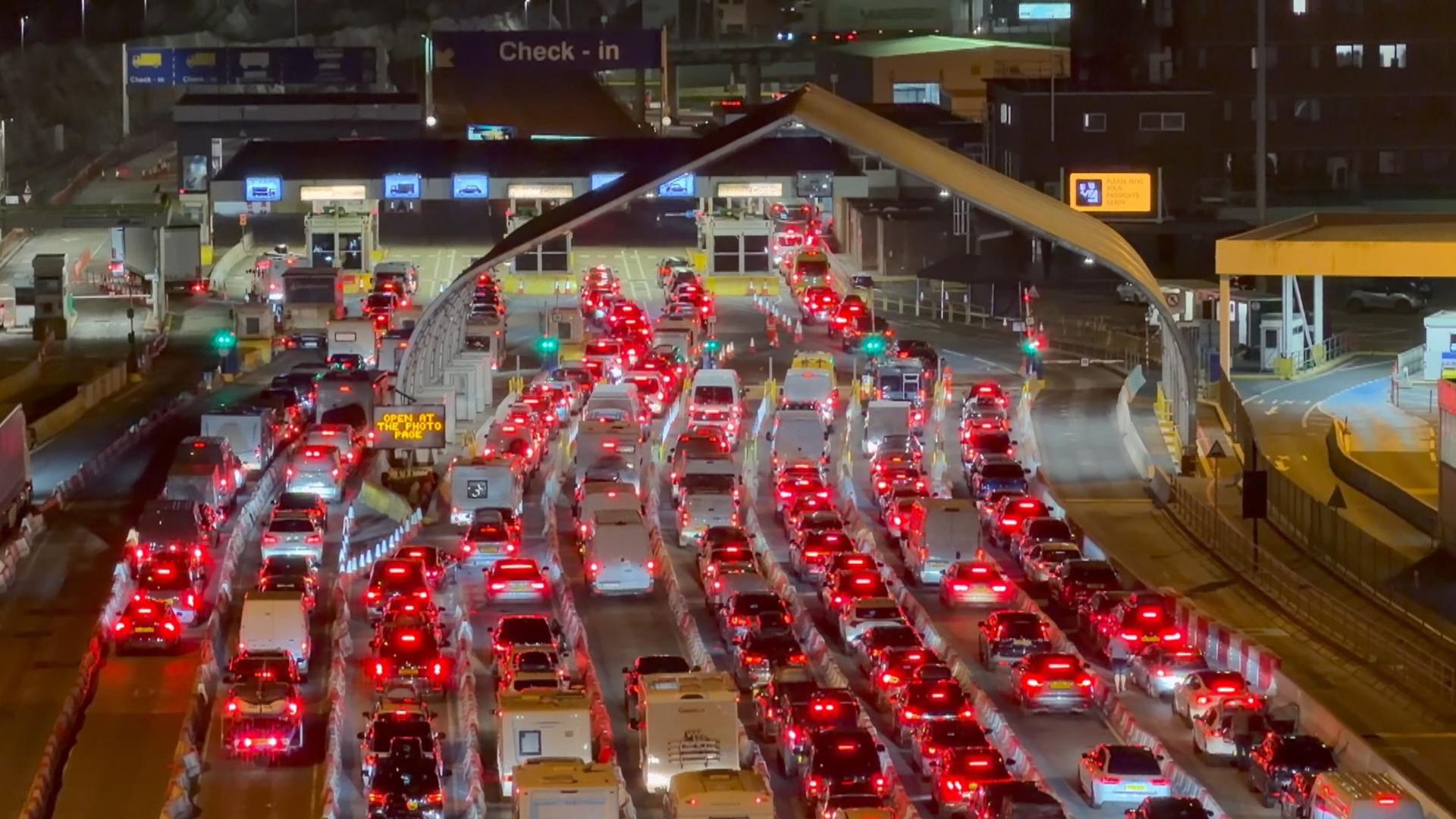
The Port of Dover experienced significant congestion on Friday night, with vehicle queues stretching close to an hour as drivers prepared for what experts predict will be one of the busiest travel weekends in recent memory. This surge in traffic highlights the challenges faced by one of Europe’s busiest ferry ports during peak holiday periods.
What Triggered the Backlog at Dover?
The Port of Dover serves as a critical gateway between the United Kingdom and continental Europe, handling millions of passengers and freight vehicles annually. On Friday evening, a combination of increased traveler numbers and operational bottlenecks led to vehicles waiting nearly an hour to board ferries or pass through customs.
Seasonal factors play a major role in such delays. Summer holidays and long weekends typically see a spike in cross-channel traffic as families, tourists, and freight operators take advantage of the break. The buildup at Dover is often compounded by heightened security checks and customs procedures, which have become more stringent in recent years.
Additionally, external factors such as weather conditions, staffing levels, and logistical disruptions can exacerbate wait times. While no specific incident was reported on Friday, the sheer volume of vehicles overwhelmed the port’s capacity, resulting in the lengthy queues.
Why This Weekend Is Expected to Be Exceptionally Busy
Travel experts and port officials have indicated that this weekend will mark one of the busiest periods for drivers crossing the Channel in years. The convergence of several factors explains this anticipated surge.
First, post-pandemic travel demand has rebounded strongly, with more people eager to explore Europe after years of restrictions. Coupled with the summer holiday season, this has created unprecedented demand for ferry crossings.
Second, the timing coincides with multiple public holidays and school breaks, encouraging extended trips abroad. Many families and vacationers have planned their journeys around this window, intensifying pressure on transport infrastructure.
Furthermore, freight traffic has also increased as businesses ramp up deliveries ahead of the autumn season. Commercial vehicles share the same port facilities, adding to congestion and complicating logistics.
Port authorities have been preparing for this influx by increasing staffing and optimizing scheduling, but challenges remain due to infrastructure limits and the complex nature of cross-border travel post-Brexit.
What This Means for Travelers and Freight Operators
For drivers planning to use the Port of Dover this weekend, the near-hour-long waits serve as a caution to anticipate delays and plan accordingly. Early arrivals, flexible schedules, and real-time traffic updates can help mitigate some of the inconvenience.
Freight companies, in particular, must factor in extended transit times to avoid disruptions in supply chains. Delays at the port can ripple through delivery schedules, affecting businesses and consumers alike.
The situation underscores the ongoing need for investment in port infrastructure and streamlined customs procedures. As cross-Channel trade and travel continue to grow, addressing these challenges will be crucial to maintaining efficiency and economic vitality.
In summary, the lengthy queues at the Port of Dover represent the complex interplay of high demand, operational constraints, and broader geopolitical changes affecting travel between the UK and Europe. While authorities strive to manage the flow, travelers and transporters should prepare for extended wait times during this exceptionally busy weekend.