Donald Trump’s recent comments on the “Fairford Five” have stirred controversy and speculation about a covert military operation involving the United States and the United Kingdom at RAF Fairford. But how much of his statement aligns with verified facts, and what implications might it carry for international relations and military transparency?
What Happened at RAF Fairford and the “Fairford Five”?
RAF Fairford, a Royal Air Force base in Gloucestershire, England, has long been a strategic site for American military operations, particularly as a forward base for US Air Force bombers. The base frequently hosts B-52 and B-1B aircraft, making it critical for NATO’s rapid deployment capabilities.
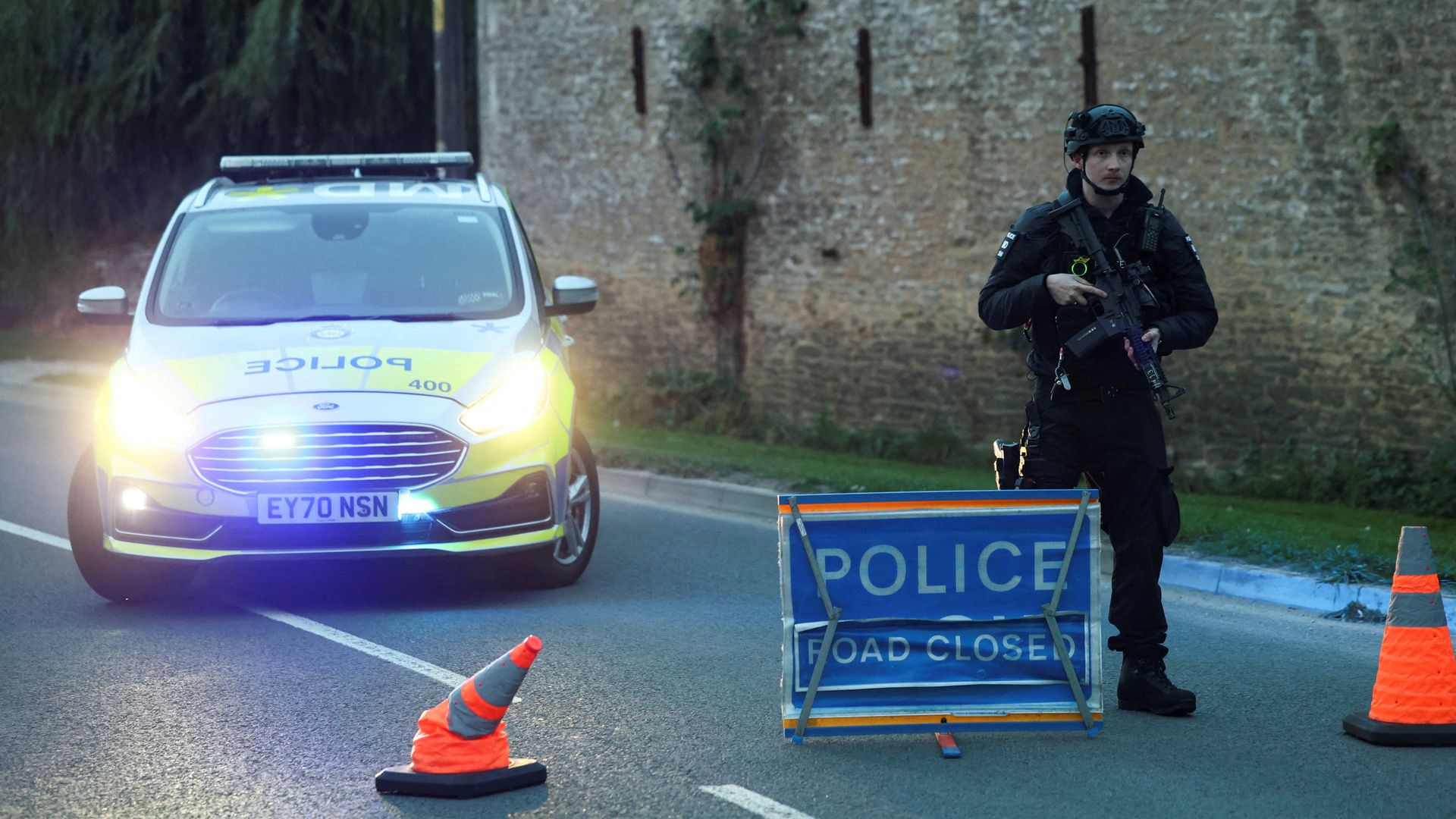
The term “Fairford Five” refers to a group of individuals involved in an incident at this base. While details remain sparse, the episode reportedly involved confrontations or actions that brought attention to the military activities conducted there. This incident has attracted both media and political interest, especially given the base’s sensitive role.
On Sunday, Donald Trump publicly addressed the “Fairford Five,” making statements that many interpreted as shedding light on a previously undisclosed US-UK joint operation. His remarks suggested that there was more at play behind the scenes than what official channels have revealed.
Analyzing Trump’s Claims: Fact or Speculation?
Trump’s involvement in the dialogue around RAF Fairford is notable because it introduces an unexpected narrative from a former US president, whose comments often carry significant weight in public discourse. However, scrutinizing his claims reveals a complex picture.
Official sources have neither confirmed nor denied the existence of a secret operation linked to the Fairford incident. Military and government officials typically maintain strict confidentiality over joint operations, especially those involving nuclear-capable bomber deployments, which RAF Fairford supports.
Experts in military strategy and intelligence caution that high-profile political figures sometimes speculate or leverage sensitive topics for political capital. Without corroborating evidence or official acknowledgment, Trump’s statements remain speculative but worthy of attention due to their potential implications.
Why This Matters: Strategic and Diplomatic Implications
The United States and the United Kingdom share a “special relationship,” particularly in defense and intelligence cooperation. RAF Fairford exemplifies this partnership by hosting US strategic bombers and serving as a linchpin for NATO’s deterrence posture. Any revelation of undisclosed operations could impact this alliance’s dynamics.
If a covert operation was indeed underway at RAF Fairford, its exposure could raise questions about transparency, both within allied governments and with the public. It could also prompt scrutiny of the legal and ethical frameworks guiding joint military actions on foreign soil.
Moreover, such disclosures might affect diplomatic relations with other European partners and Russia, given the geopolitical sensitivities surrounding military bases capable of deploying nuclear weapons. The balance between operational secrecy and public accountability remains a delicate issue in democratic societies.
What Comes Next: Monitoring Developments and Seeking Clarity
In the wake of Trump’s comments, media outlets, political analysts, and defense experts are closely monitoring responses from the US Department of Defense, the UK Ministry of Defence, and NATO. Official statements or investigative reporting could shed light on the true nature of the “Fairford Five” incident and any associated operations.
For now, stakeholders and the public must weigh the credibility of information carefully, understanding the context of military secrecy and political rhetoric. Transparency advocates may call for greater disclosure, while defense officials emphasize the necessity of confidentiality for national security.
Ultimately, the intersection of political commentary and military operations at RAF Fairford highlights the ongoing challenges of managing sensitive information in an era of instant communication and heightened geopolitical tensions.
Takeaway: Navigating Secrecy and Accountability in Military Affairs
Donald Trump’s revelation about a possible secret US-UK operation at RAF Fairford shines a spotlight on the complex interplay between military secrecy, political discourse, and public interest. While concrete details remain elusive, the incident underscores the importance of vigilance in how governments handle sensitive defense matters.
As the story unfolds, it will be crucial to balance the imperatives of national security with the public’s right to understand the actions taken in their name. RAF Fairford’s strategic significance ensures this episode will remain a focal point for discussions about transparency, alliance dynamics, and military accountability in the years ahead.