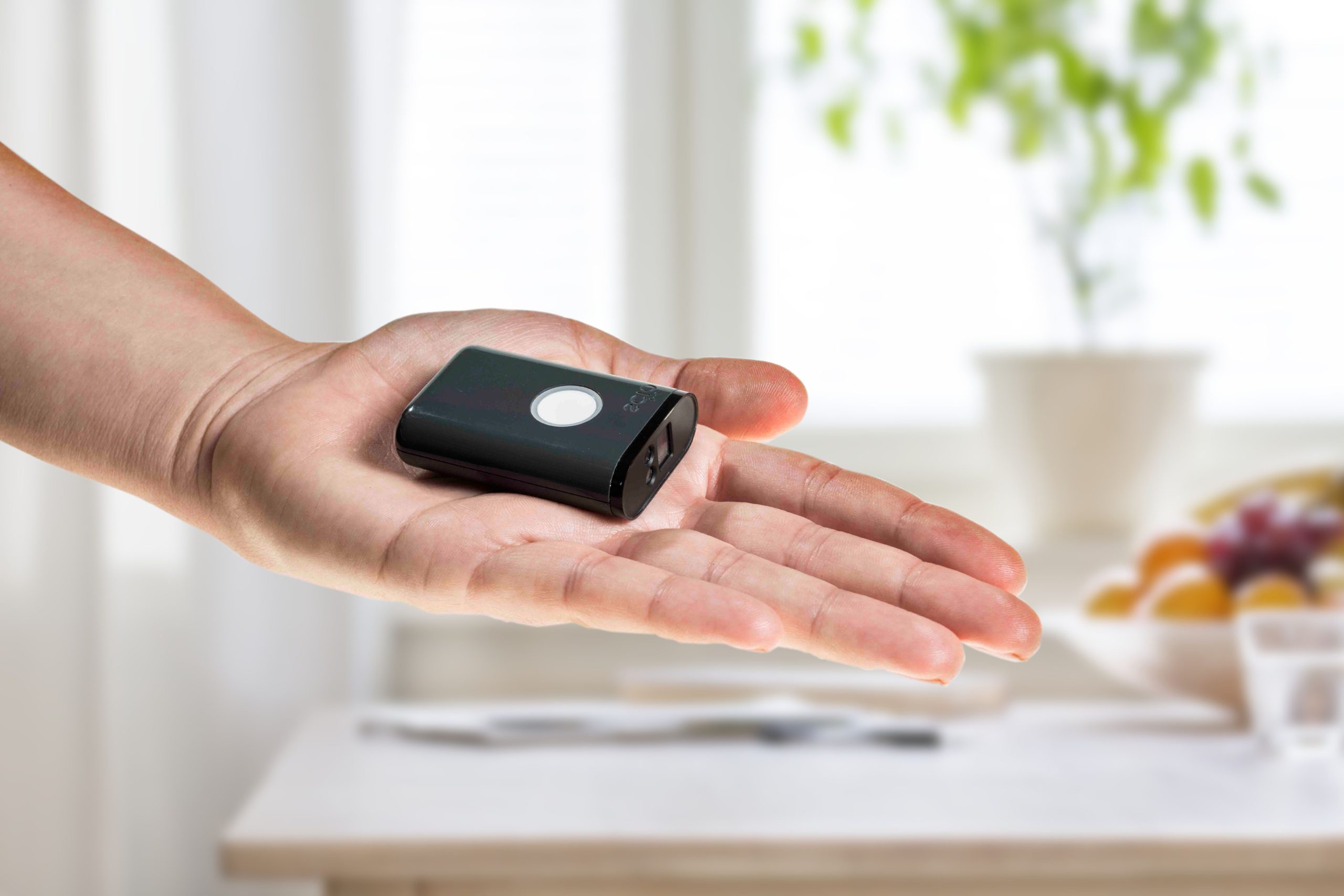
Imagine having the power to instantly know the sugar content of a single grape or the fat percentage in your favorite cheese, just by scanning it with your smartphone. This futuristic idea is rapidly transitioning from concept to reality, promising to revolutionize how we interact with the physical world around us.
Introducing Molecular Scanners: A New Era of Consumer Technology
In the coming years, molecular scanners could become a standard feature in smartphones worldwide, fundamentally changing how we access information about everyday objects. This bold prediction comes from Dror Sharon, CEO of Consumer Physics, an innovative Israeli start-up pioneering this breakthrough technology.
The company has developed a handheld device called SCiO, a compact molecular scanner that reads the unique molecular signatures of materials using near-infrared light. By analyzing the light reflected from an object, SCiO deciphers its molecular fingerprint and instantly relays detailed information to a connected smartphone app.
Currently, SCiO can measure the sugar concentration in individual fruits, determine fat percentages in cheeses, and even identify counterfeit or illegal pharmaceuticals. These capabilities open up a vast range of practical applications, from health and nutrition to law enforcement and beyond. As Dror Sharon states, the potential uses for SCiO technology are essentially “endless.”
__IMAGE_PLACEHOLDER_1__
How SCiO Works and Its Journey So Far
The SCiO scanner operates by emitting near-infrared light onto the target object. Different molecules absorb and reflect light in distinctive patterns, creating a spectral signature unique to that material. SCiO captures this signature and compares it against an extensive database to provide real-time information on composition.
Though molecular spectroscopy has long been a staple in scientific and industrial settings, traditional scanners have been bulky, costly, and inaccessible to everyday consumers. Consumer Physics’ breakthrough lies in miniaturizing this technology to fit into a handheld device without sacrificing accuracy or affordability.
Following a successful Kickstarter campaign in 2014, which garnered significant public interest, SCiO rapidly gained attention at major technology conferences worldwide. Since then, the device has been available for purchase via the company’s website, and over a thousand developers and entrepreneurs have received SCiO kits to explore new applications.
To foster innovation, Consumer Physics organizes developer meetups where participants collaborate to expand the SCiO platform’s capabilities. Dror Sharon emphasizes the importance of building an open and growing database of material fingerprints, inviting specialists with access to unique substances, such as gemologists or food scientists, to contribute their knowledge.
__IMAGE_PLACEHOLDER_2__
The Future: Integrating Molecular Scanners Into Everyday Devices
Consumer Physics is already working on the next generation of SCiO scanners, which will be even smaller and more versatile. These advancements aim to embed molecular scanning technology into wearable devices, tablets, and most importantly, smartphones.
Given that over 1.5 billion smartphones were manufactured globally in 2015 alone, integrating molecular scanners into these ubiquitous devices could rapidly democratize access to molecular-level information. This means that within five years, ordinary consumers might carry sophisticated scientific tools in their pockets, capable of providing detailed insights about food quality, pharmaceuticals, gemstones, and countless other materials.
Such widespread adoption would mark a paradigm shift, transforming smartphones from communication devices into powerful portals for understanding the physical world in unprecedented detail.
__IMAGE_PLACEHOLDER_3__
Why This Innovation Matters
The arrival of affordable, compact molecular scanners holds profound implications across multiple sectors. For individuals focused on health and nutrition, SCiO could provide precise data to monitor dietary intake, aiding in weight management and disease prevention. Food producers and retailers might use it to verify product quality and authenticity, enhancing consumer trust.
In law enforcement and pharmaceuticals, rapid on-the-spot identification of substances could combat counterfeit drugs, improving public safety. Even hobbyists and professionals in gemology or winemaking might benefit from swift, accurate analysis without relying on expensive laboratory equipment.
Moreover, by opening the platform to developers and specialists worldwide, Consumer Physics encourages a community-driven expansion of knowledge, turning molecular scanning into a collaborative, evolving resource.
Looking Ahead
As molecular scanning technology shrinks to smartphone size and becomes increasingly affordable, it promises to unlock a new dimension of everyday knowledge. The ability to instantly analyze and understand the composition of objects around us could empower consumers, enhance safety, and spark innovation across industries. With companies like Consumer Physics leading the charge, the integration of “diet scanners” in our phones is not just a futuristic dream, it is an imminent reality poised to redefine how we perceive and interact with the material world.