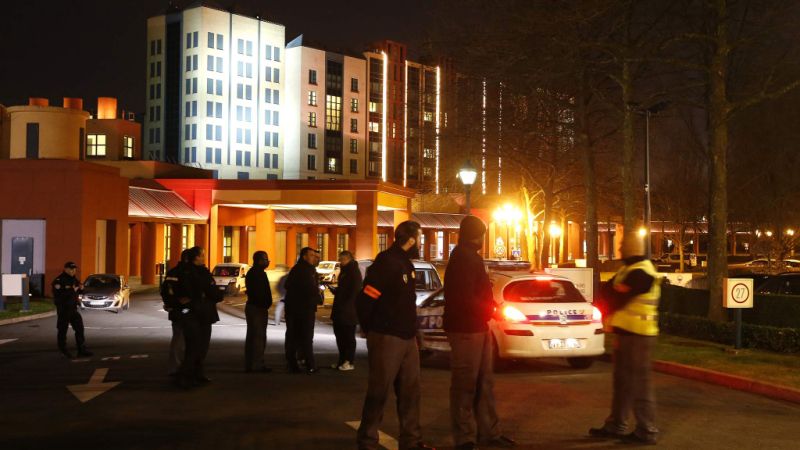
A tense security incident unfolded at Disneyland Paris when French authorities arrested a 28-year-old man found carrying two firearms at the entrance of one of the resort’s hotels. The man, who had no prior record or known connections with French security services, was also discovered with a copy of the Koran and a box of ammunition. This discovery triggered immediate police intervention at the New York Hotel, one of the numerous accommodations within the sprawling theme park complex.
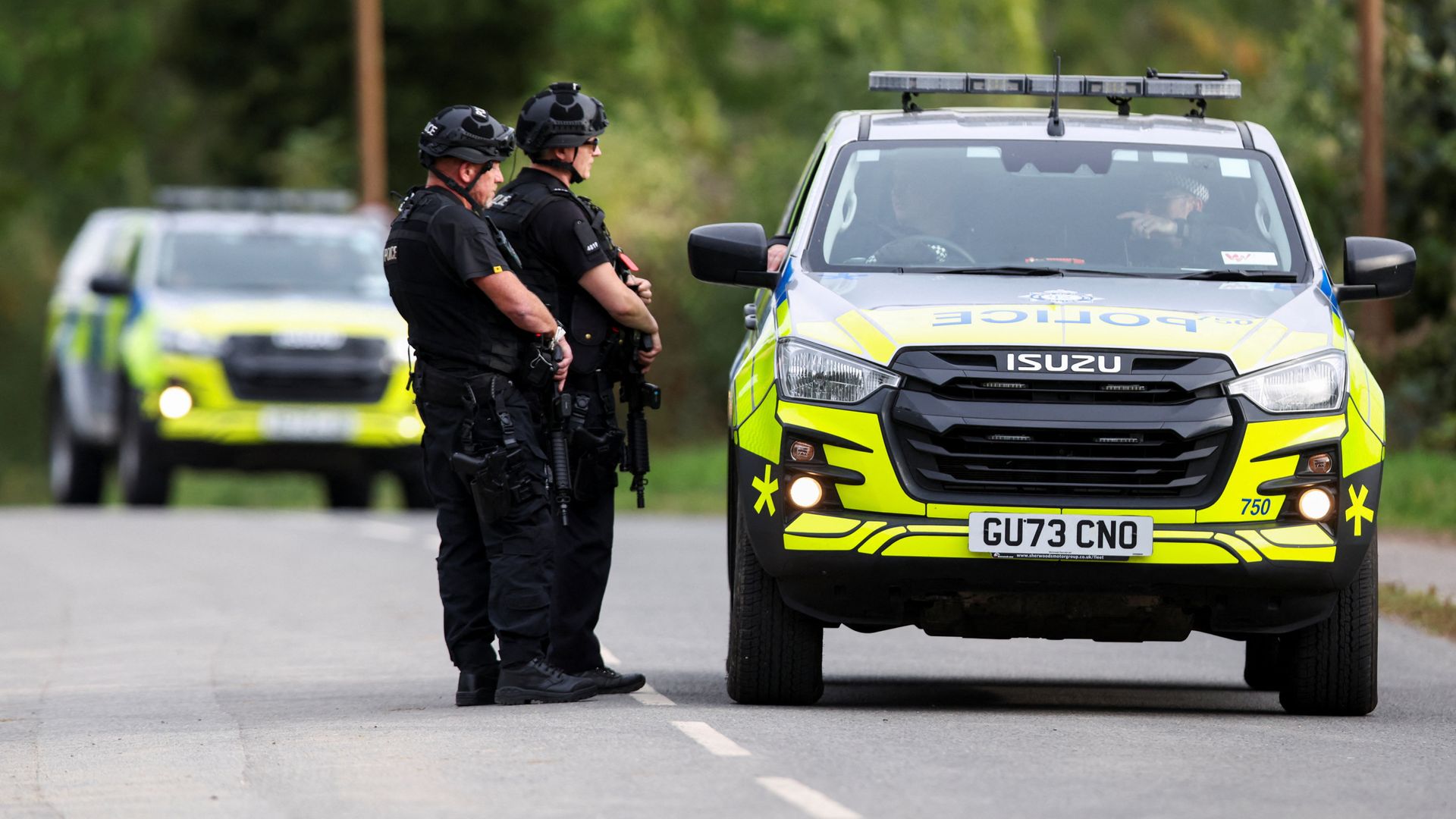
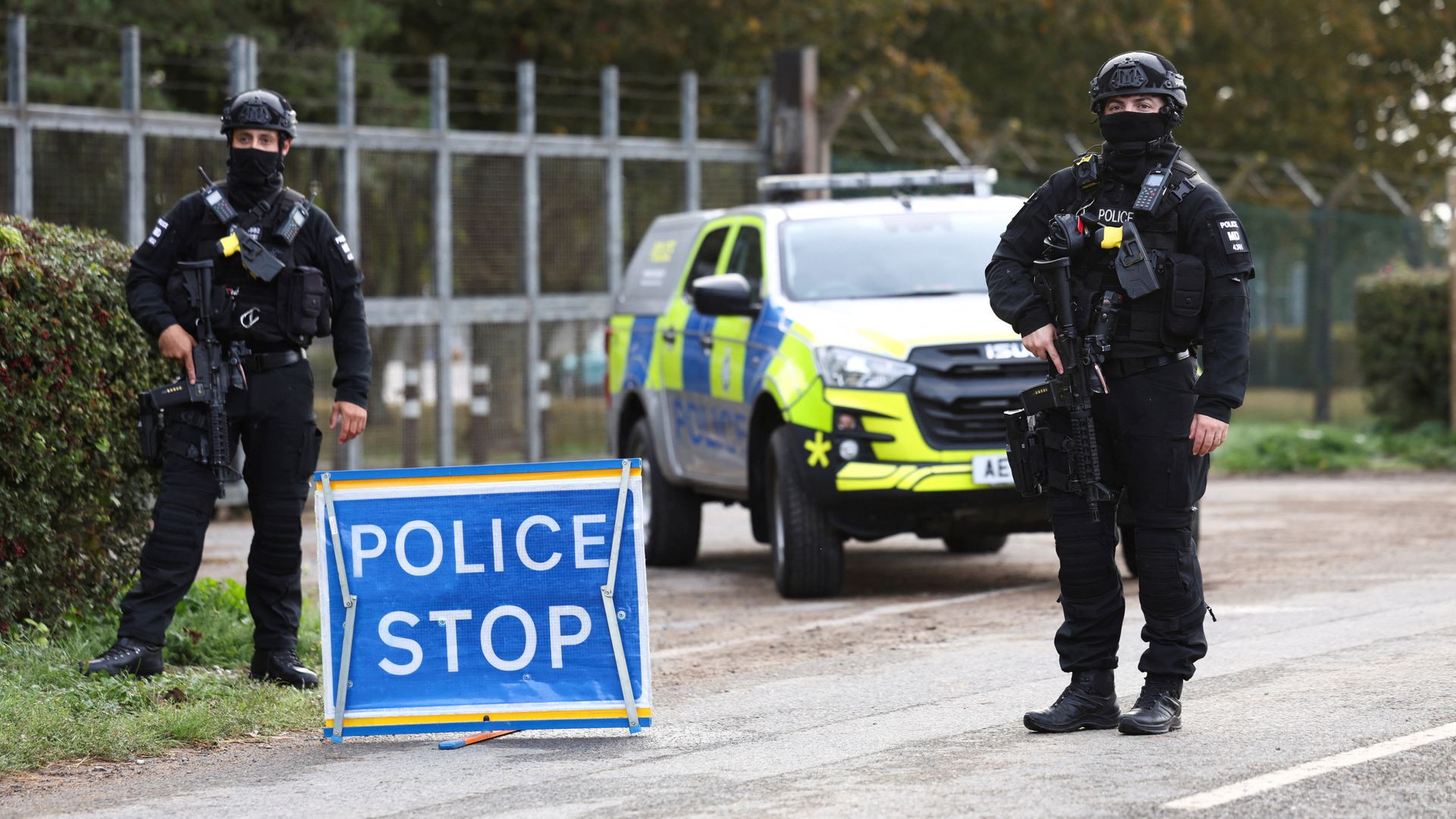
The man’s belongings set off metal detectors during a standard security screening at the hotel entrance, prompting staff to alert law enforcement. French police swiftly detained him, initiating an investigation to determine the circumstances behind his possession of the weapons. Authorities have stated that initial inquiries do not suggest any direct links to terrorism, as the suspect reportedly claimed he carried the guns out of fear for his personal safety.
Heightened Security in the Shadow of Terror Threats
Disneyland Paris remains a high-profile target given its status as Europe’s most visited theme park, attracting around 10 million visitors annually. Located approximately 18 miles east of Paris in Marne-la-Vallée, the resort has long been vigilant in its security measures, especially following the devastating coordinated jihadist attacks in Paris in November 2015.
Those attacks, carried out by militants affiliated with the so-called Islamic State (IS), resulted in the deaths of 130 people and plunged France into a state of emergency that continues to this day. The government’s security protocols have tightened considerably at public venues, including Disneyland Paris, which briefly closed after the November attacks but reopened with stringent safety checks in place.
Francois Banon, a spokesperson for Disneyland Paris, emphasized the park’s commitment to guest safety: “During a routine security screening checkpoint at one of our hotels, weapons were discovered in a guest’s luggage through our X-ray machine. The police were immediately notified and the individual was arrested. We continue to work closely with the authorities, and the safety and security of our guests and cast members is our utmost priority.”
Despite the arrest, the park and its associated hotels continued their operations without interruption, demonstrating the effectiveness of their ongoing security protocols. Employees reported that the hotels functioned as usual, supported by visible security measures including sniffer dogs and vigilant personnel, a level of protection not typical for hotels in the region prior to the heightened threat environment.

Background on Disneyland Paris and Its Security Landscape
Since its opening in 1992, Disneyland Paris has grown into a premier tourist destination, drawing visitors predominantly from across Europe. Approximately 92 percent of its guests hail from European countries, with nearly half coming from France itself, followed by significant numbers from the United Kingdom and Spain. The resort also hosts about 1,000 business events annually, making it not just a leisure hub but a significant commercial venue.
Given this popularity, security at Disneyland Paris involves a comprehensive approach, balancing guest experience with protective measures. The park conducts thorough security screenings at entrances, including metal detectors and baggage scans, which played a crucial role in identifying the weapons during the recent incident.
In addition to the immediate operational concerns, Disneyland Paris has been under scrutiny from the European Union regarding business practices, with investigations launched into allegations that UK and German customers were excluded from certain promotional offers. This underscores the complexity of managing such a high-profile international destination amid ongoing political and security challenges.
The Man’s Profile and the Investigation
Further details revealed that the suspect lives in Paris and co-manages a brassiere in the French capital, indicating he is a local resident with ties to the city. Staff at the establishment expressed surprise, with one employee describing the situation as “a mistake,” suggesting the man’s actions were unexpected and out of character for someone in his position.
Police also briefly arrested a woman believed to be the man’s girlfriend, but she was later released after authorities realized she was not involved. Meanwhile, a search continues for another woman who may have been with the suspect, reflecting the ongoing nature of the investigation.
Why This Incident Matters
This arrest at Disneyland Paris serves as a stark reminder of the persistent security challenges facing public spaces in France and across Europe. The country remains under a state of emergency, with President Francois Hollande actively pursuing an extension of these extraordinary powers despite criticism from human rights groups concerned about civil liberties.
European security agencies, including Europol, have recently issued warnings about the likelihood of further attacks, particularly targeting so-called “soft” targets like tourist venues, entertainment complexes, and public gatherings. The Disneyland Paris incident underscores the delicate balance authorities must maintain between vigilance and normalcy in daily life.
For visitors and residents alike, the episode highlights the importance of robust security infrastructure and rapid law enforcement response. It also reflects the broader climate of vigilance necessary in an era marked by evolving threats from extremist groups.
Ultimately, while the man’s motives may not have been linked to terrorism, the presence of firearms in a crowded public venue such as Disneyland Paris warrants continued attention to safety protocols. The resort’s ability to detect and respond to this threat without disruption to its operations demonstrates resilience and the effectiveness of preventive measures.
As France navigates this precarious security environment, incidents like this reinforce the ongoing need for coordinated efforts between private venues, law enforcement, and government agencies to protect citizens and visitors from potential harm.