The harrowing experience of an 11-year-old girl left wheelchair-bound after surgery has spotlighted grave concerns over a surgeon accused of performing “inappropriate and unnecessary” operations on children. This case, involving Dr Yaser Jabbar, has triggered a sweeping investigation at Great Ormond Street Hospital (GOSH) into the treatment of hundreds of young patients. The unfolding controversy has raised urgent questions about surgical oversight, patient safety, and transparency in pediatric care.
What Happened: The Case of Ella and Dr Yaser Jabbar
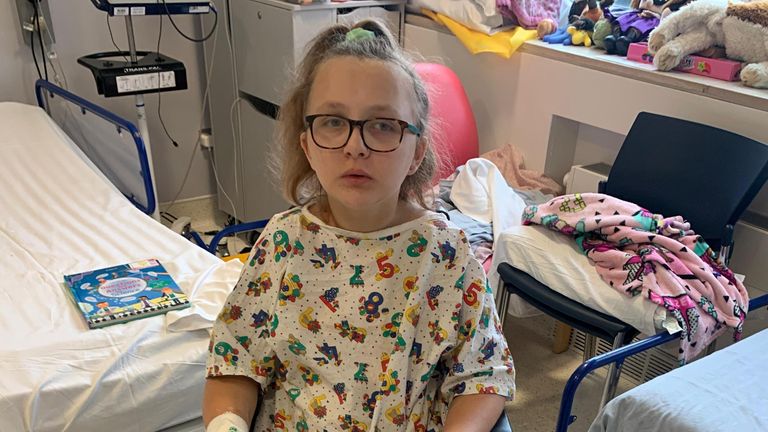
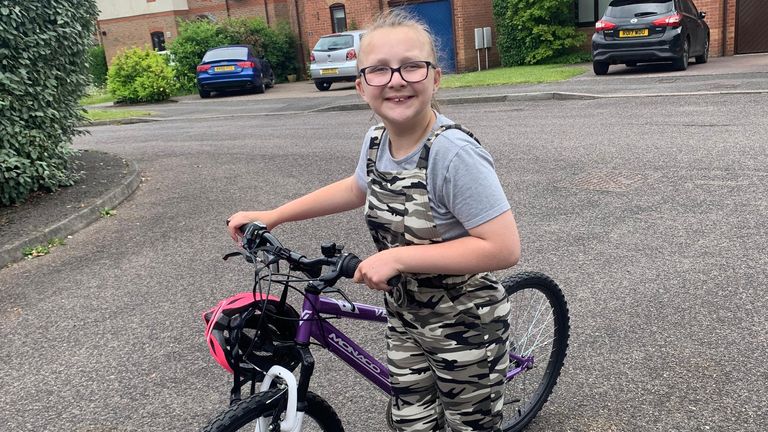
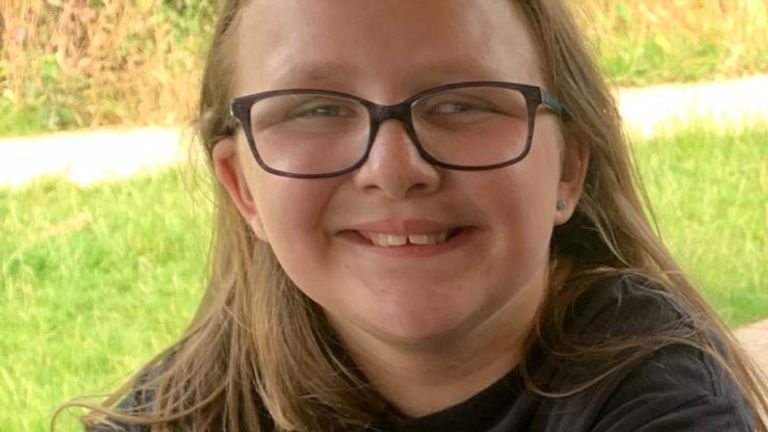
Ella Osborne was just 11 years old when she underwent corrective surgery on her leg in the summer of 2020, performed by Dr Yaser Jabbar. Ella suffered from genu valgum, a condition where the knees angle inward while the ankles remain apart, often described as “knock knees.” Complicating her condition were multiple complex health needs that made her treatment particularly delicate.
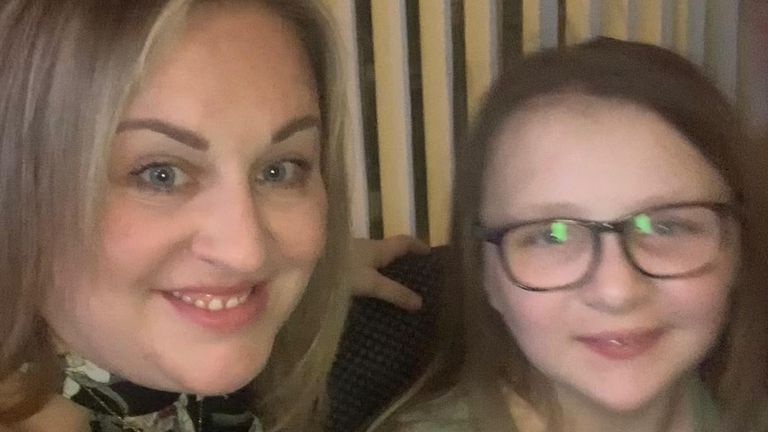
Prior to Dr Jabbar’s intervention, Ella had already undergone the same corrective procedure with a different surgeon. However, her recovery following the operation by Dr Jabbar was markedly more painful and prolonged. According to her mother, Claire Osborne, Ella experienced severe discomfort, describing persistent pain and an abnormal walking pattern where her knees seemed to overlap and click with every step.
“She just kept saying to me all the time, ‘Mum, it hurts, it hurts’,” Ms Osborne recalled. The ordeal escalated to the point where Ella, who once cycled 10 miles, became unable to walk even short distances, relying on a wheelchair for nearly two years. The physical and emotional toll was immense; her parents could even feel a screw from a metal plate protruding through her skin, an alarming sign of surgical complications.
Despite raising concerns during follow-up appointments, Ms Osborne was reportedly reassured by Dr Jabbar, who told her, “If I’m not worried, you shouldn’t be worried.” Unsatisfied with this response, the family sought a second opinion from a private surgeon. This led to Ella undergoing a third corrective surgery by another medical professional at GOSH, which Ms Osborne described as a “miraculous correction” due to the significant improvement in the angle and alignment of Ella’s leg.
The Wider Investigation and Its Alarming Findings
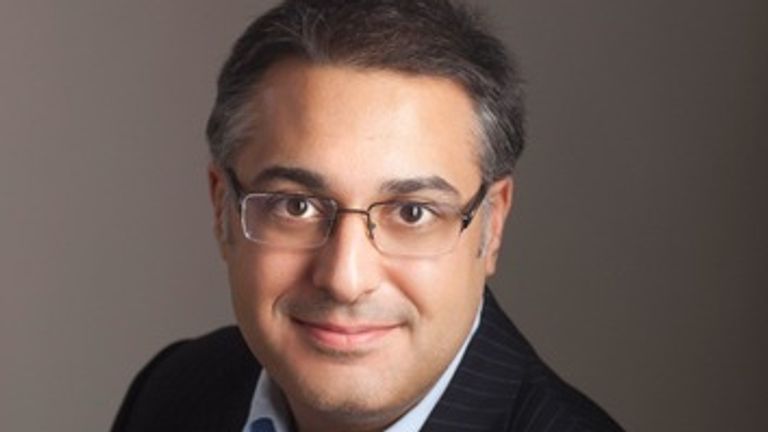
The distressing personal story of Ella is just one among many that prompted Great Ormond Street Hospital to initiate an extensive investigation into Dr Jabbar’s surgical practices. An expert review by the Royal College of Surgeons (RCS) uncovered allegations that Dr Jabbar’s operations caused “serious harm” through “unacceptable” treatment. The hospital has since launched a formal probe covering 721 children who underwent surgery by Dr Jabbar.
So far, 42 cases have been closely examined, with 22 children believed to have suffered harm linked directly to Dr Jabbar’s procedures. Families affected have reported not only physical complications such as leg length discrepancies and nerve injuries causing ongoing pain but also emotional distress from poor communication and inadequate consent processes.
Caroline Murgatroyd of Hudgell Solicitors, representing some of the families, described the RCS findings as “very worrying.” She highlighted numerous failings, including poor clinical decision-making, incomplete assessments, and surgeries that lacked clear justification or benefit. She emphasized that children underwent procedures that were both inappropriate and unnecessary, leading to prolonged treatment and suffering.
Adding to the gravity, Dubai’s CMC Hospital, where Dr Jabbar recently worked, confirmed his suspension amid the ongoing investigations. Meanwhile, GOSH stated that Dr Jabbar had not worked at the hospital since 2022, stepping down from his role in September 2022 following an 11-month paid sabbatical.
Why It Matters: Calls for Transparency and Justice
The case has galvanized affected families, with Ms Osborne founding a support group to connect those impacted by Dr Jabbar’s surgeries. The families are demanding the full disclosure of the 2023 Royal College of Surgeons review, which was conducted prior to the wider investigation. Ms Osborne expressed frustration over the lack of transparency, stressing that without knowing the full facts, what went wrong, why, and when, they remain in limbo.
“If the hospital had known about these issues before Ella’s treatment, maybe she could have been saved,” Ms Osborne stated. The uncertainty surrounding what was known and when has left families seeking accountability and clearer answers from the hospital and regulatory bodies.
Legal representatives, including Amy Kirk from Fletchers Solicitors, underscored the importance of releasing the review promptly and conducting a thorough investigation. They emphasized that families already feel unheard and require timely access to information to understand the extent of the harm caused.
Great Ormond Street Hospital issued a public apology to patients who received substandard care and committed to sharing case review outcomes directly with families. Although a summary of the report will be made public, the hospital prioritized releasing findings first to affected families, recognizing the profound distress caused by these revelations.
Looking Ahead: Lessons and Reforms
The unfolding situation at GOSH serves as a stark reminder of the critical need for rigorous oversight in pediatric surgical care. It highlights how essential transparency, informed consent, and effective communication are to safeguarding vulnerable patients. The allegations against Dr Jabbar raise broader questions about how hospitals monitor surgeon performance and respond to early warning signs of malpractice.
Families like Ella’s continue to seek justice and improved protections to prevent similar tragedies. Their calls for the full disclosure of investigative reports and independent scrutiny underscore the urgency of reforms in clinical governance.
Ultimately, this case shines a light on the profound impact surgical decisions have on children’s lives and the long road to recovery when medical care falls short. The hope remains that lessons learned from these events will lead to stronger safeguards, better patient outcomes, and restored trust in pediatric healthcare services.