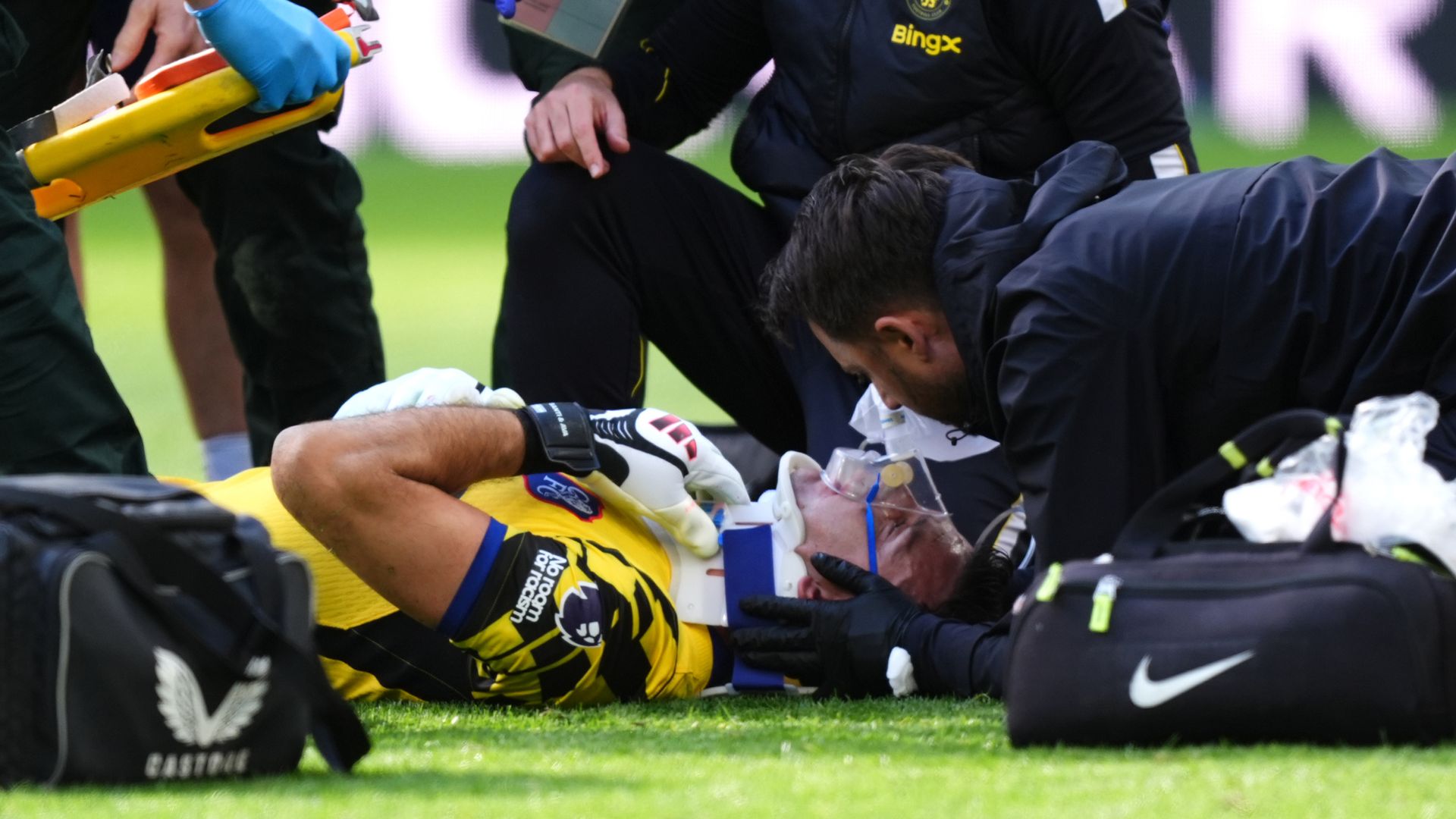
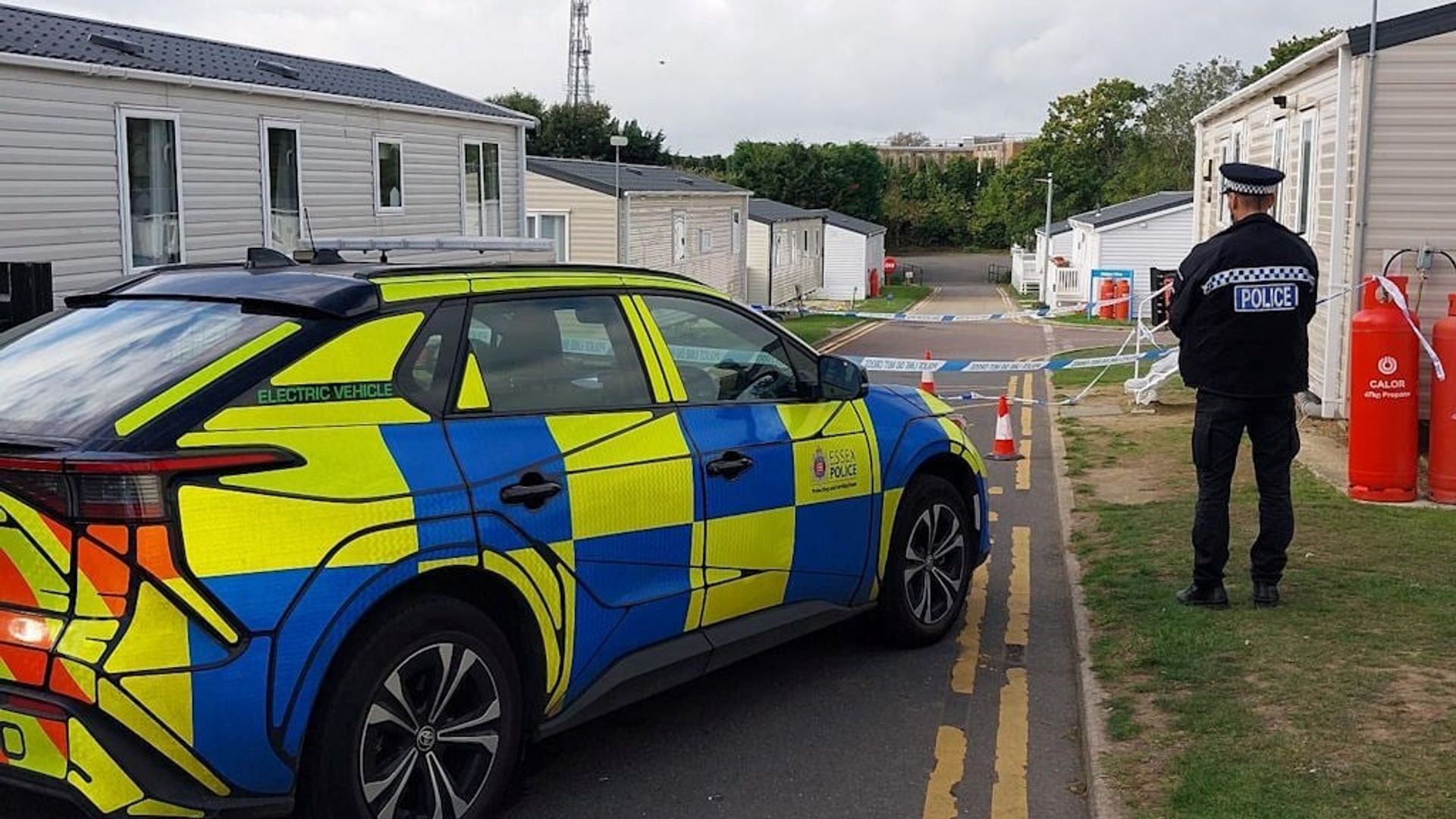
In an unprecedented show of coordination and preparedness, police, paramedics, and firefighters have joined forces to execute the largest terror attack response exercise in recent memory. This comprehensive drill tested the resilience, communication, and tactical skills of emergency services across multiple agencies, ensuring readiness for a complex and high-stakes crisis scenario.
A Massive, Multi-Agency Terror Response Simulation
The exercise simulated a large-scale terror attack, challenging responders to manage chaotic scenes with multiple casualties, potential ongoing threats, and the urgent need for coordinated action. This scenario pushed emergency teams to their limits, requiring rapid decision-making, efficient resource deployment, and seamless inter-agency collaboration.
Police officers took the lead in securing the area, neutralizing threats, and managing crowd control, while firefighters focused on rescue operations and managing hazardous conditions such as fires or structural damage. Paramedics worked under immense pressure to triage, treat, and transport injured victims, prioritizing care based on severity and available resources.
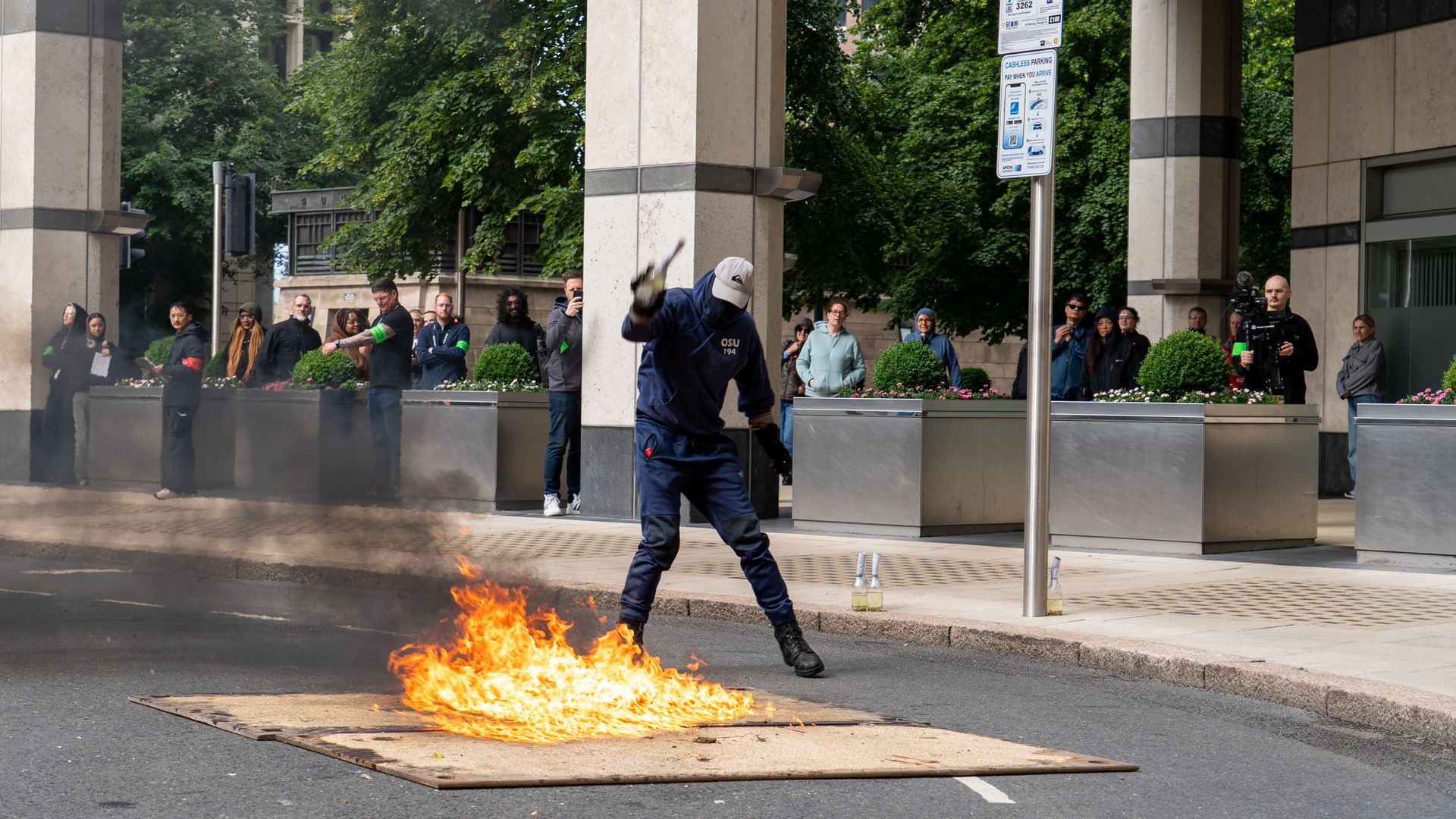
The scope of the drill involved numerous locations, replicating the urban complexities responders would face during a real terror attack. Command centers were established to coordinate the flow of information and resources, enabling real-time strategic planning and operational oversight.
Why This Exercise Matters
Terror attacks, though rare, pose significant challenges due to their unpredictability, scale, and potential for mass casualties. Effective response hinges on rapid, coordinated efforts that minimize loss of life and restore public safety.
By conducting this extensive training, emergency services can identify weaknesses in current protocols and improve communication channels between agencies. It also helps build trust and familiarity among different teams, critical factors when every second counts.
Such exercises also provide invaluable experience for frontline responders, reinforcing their ability to perform under extreme stress while managing complex logistics. This preparedness directly translates to better outcomes in real incidents, ultimately saving lives.
The Road Ahead: Enhancing National Security Through Preparedness
Following the exercise, authorities will analyze performance data and feedback to refine response strategies. Lessons learned will inform future training programs, emergency plans, and resource allocation to strengthen national resilience against terror threats.
Continued investment in joint exercises like this demonstrates a commitment to public safety and underscores the importance of readiness in an ever-changing threat landscape. As terror tactics evolve, so must the skills and coordination of those tasked with defending communities.
In conclusion, this record-breaking terror attack response drill marks a significant milestone in emergency preparedness. It highlights the dedication and professionalism of police, paramedics, and firefighters, who stand ready to protect and serve when crisis strikes.