

Essex Police has halted the use of live facial recognition (LFR) cameras after research revealed the technology disproportionately identifies Black individuals compared to other ethnic groups. This pause comes amid wider national plans to expand the use of LFR vans across England, raising critical questions about fairness, privacy, and accuracy in policing.
How Live Facial Recognition Technology Works and Its Deployment
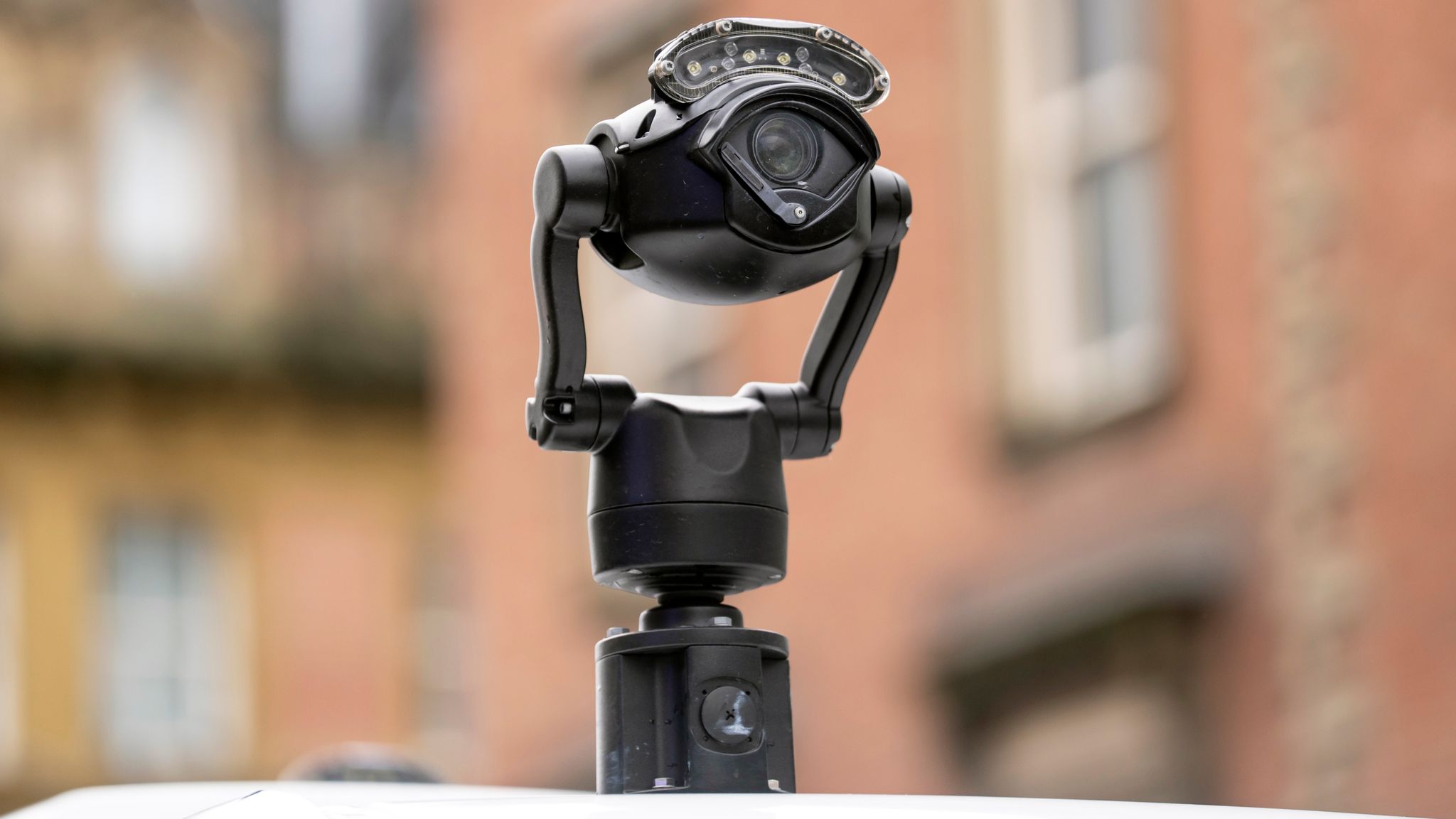
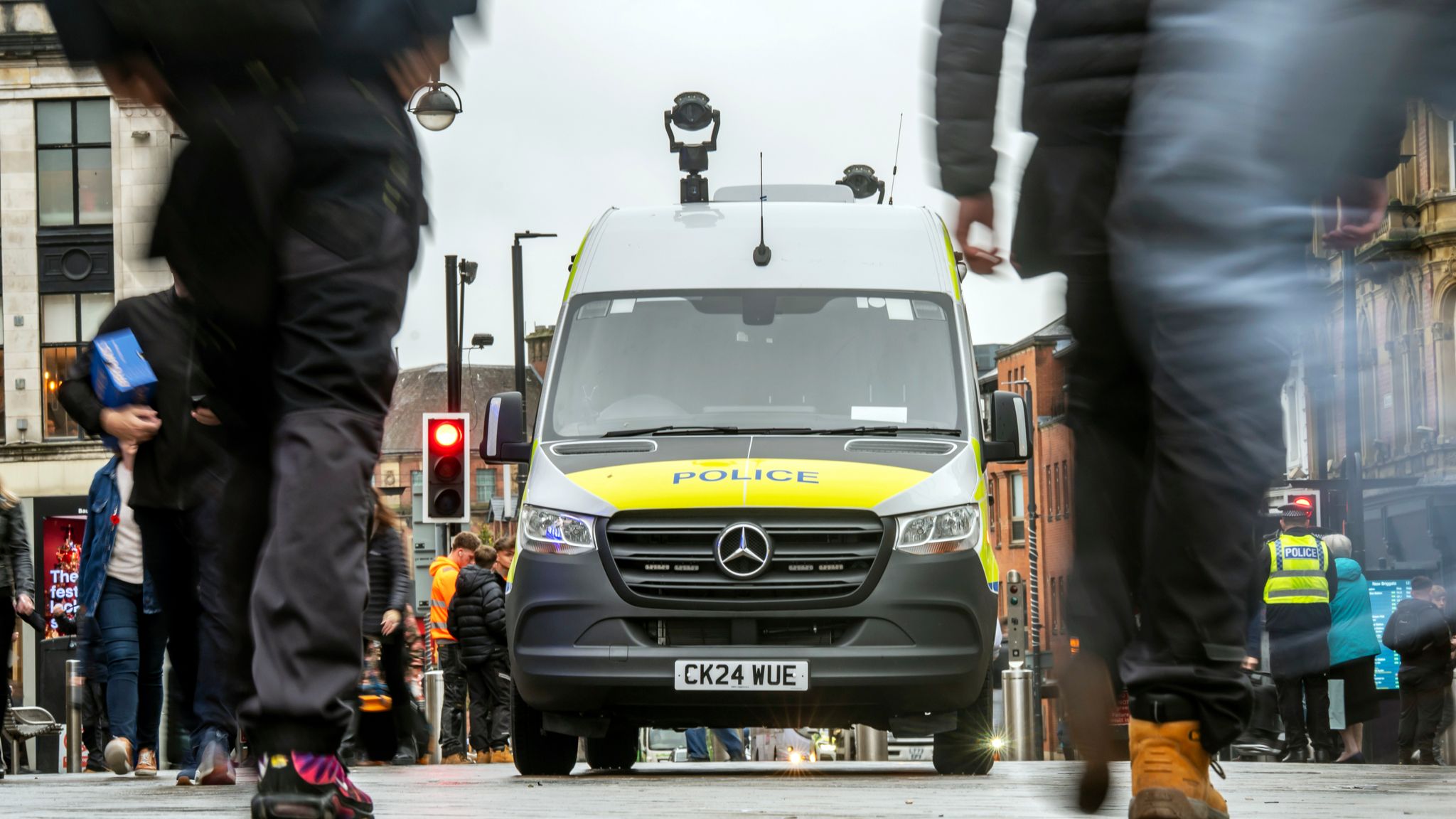
The LFR cameras are mounted on police vans and scan faces in real time, cross-checking them against pre-existing watchlists of wanted individuals. If a match is detected, officers receive an immediate alert to potentially intervene. By the end of last year, 13 police forces in the UK had adopted this technology, with the Home Secretary announcing plans in January to increase the fleet of LFR vans from 10 to 50 nationwide.
Essex Police was among the forces utilizing these cameras, deploying them regularly to assist in tracing suspects. However, concerns about the technology’s accuracy and fairness surfaced following a study conducted by University of Cambridge researchers. This study involved nearly 200 volunteers who were part of the field tests during Essex Police’s use of LFR.
Study Reveals Racial and Gender Bias in Facial Recognition Results
The Cambridge research found that while the system identified approximately half of the individuals on the watchlist correctly, it also exhibited a significant bias: it was statistically more likely to correctly identify Black people than individuals from other ethnic backgrounds. Additionally, men were more often flagged than women. Although false positives—where someone not on the watchlist is wrongly identified—were “extremely rare,” the uneven detection rates raise pressing fairness concerns.
These findings prompted Essex Police to pause LFR deployments and collaborate with the algorithm’s software provider to address the potential bias. The force commissioned a second academic study that reportedly found no evidence of bias, leading them to believe the issue has been resolved through algorithm updates. Essex Police issued a statement affirming their confidence in the revised system and emphasized ongoing monitoring to prevent any discriminatory outcomes.
“We have revised our policies and procedures and are now confident that we can start deploying this important technology as part of policing operations,” the force stated, highlighting their commitment to tracking and arresting wanted criminals without bias.
Why This Pause Matters: The Broader Impact and Future of Facial Recognition in Policing
Between August 2024 and February 2025, Essex Police scanned approximately 1.3 million faces using LFR technology. These scans resulted in 48 arrests, equating to roughly one arrest per 27,000 faces scanned, and only one mistaken intervention was recorded. Despite these promising operational numbers, researchers caution that different facial recognition systems, environmental conditions, and watchlist compositions can significantly impact outcomes. They advocate for continued, rigorous testing to better understand the technology’s overall performance and limitations.
Privacy advocates and regulatory bodies echo these concerns. The Information Commissioner’s Office (ICO) has called for “proportionality, transparency, and oversight” in the deployment of facial recognition systems. The ICO stresses that every police force must conduct routine bias testing to identify and mitigate discriminatory effects arising from the technology’s design, training data, or watchlist makeup. Without such safeguards, they warn of a “real risk of unfairness” that could undermine public trust.
The Home Office defends the use of LFR by emphasizing strict protocols: images of people not matching the watchlist are deleted immediately and automatically. Furthermore, all deployments are purportedly “targeted, intelligence-led, time-bound, and geographically limited.” The government also highlights the technology’s effectiveness, citing over 1,300 arrests in London from January 2024 to September 2025 involving suspects of serious crimes such as rape, domestic abuse, and grievous bodily harm.
Looking Ahead: Balancing Innovation with Ethics in Policing
The Essex Police pause on live facial recognition cameras shines a spotlight on the delicate balance between leveraging cutting-edge technology and upholding civil rights. As more forces prepare to roll out LFR vans, ensuring the technology operates fairly and transparently is paramount.
Facial recognition promises to enhance law enforcement capabilities, enabling quicker identification of dangerous criminals and potentially improving public safety. However, without rigorous oversight, continual bias testing, and transparent policies, the risk of exacerbating racial disparities or infringing on privacy remains significant.
Essex Police’s cautious approach—pausing deployment to refine algorithms and policies—illustrates a responsible path forward. This episode underscores the necessity for ongoing scrutiny, open dialogue with communities, and strict regulatory frameworks as facial recognition becomes an increasingly common tool in policing.
As the technology evolves, so too must the ethical standards that govern its use, ensuring justice and fairness remain at the heart of modern law enforcement.