The European Union has reached a pivotal decision to impose sanctions on several Israeli settlers and settler organizations tied to escalating violence in the West Bank. This measure signals a significant shift in the EU’s approach to the ongoing conflict, reflecting growing international concern over settler actions and their impact on Palestinian communities. However, the sanctions require final technical and legal approval before they come into effect.
Who Will Face Sanctions?
EU officials have confirmed that sanctions will target seven individuals or settler groups believed to be involved in fomenting or supporting violence against Palestinians. In addition, the EU agreed to extend sanctions against further representatives from Hamas, underscoring the bloc’s broader strategy to address instability in the region.
Among the Israeli settlers named is Daniella Weiss, a prominent figure in the settler movement who is already sanctioned by the United Kingdom. Weiss has earned the moniker “godmother” of the settler movement, reflecting her influential role in promoting settlement expansion.
The list also reportedly includes settler organizations such as Nachala and Regavim, both known for advocating settlement growth. Additionally, groups like HaShomer Yosh and Amana, which provide financial and logistical support to unauthorized settlements—commonly referred to as outposts—are slated for sanctions.
Among the leaders designated are Meir Deutsch, CEO of Regavim, and Avichai Suissa, CEO of HaShomer Yosh. Suissa’s name is particularly notable given his prior inclusion on a U.S. sanctions list in 2024, from which he was removed during the Trump administration.
Context: Settlements and Violence in the West Bank
The roots of this EU decision lie in the complex and deeply contested issue of Israeli settlements in the West Bank and East Jerusalem. Since Israel’s occupation of these territories following the 1967 Middle East war, approximately 160 settlements have been established, housing around 700,000 Jewish settlers. These settlements are widely regarded by the international community as illegal under international law, though Israel disputes this characterization.
Violence involving settlers has been a persistent source of tension and conflict. United Nations reports reveal that 2025 saw an alarming surge in attacks by settlers against Palestinians. The UN documented over 1,800 incidents across roughly 280 West Bank communities, encompassing assaults that caused injuries, fatalities, and extensive property damage.
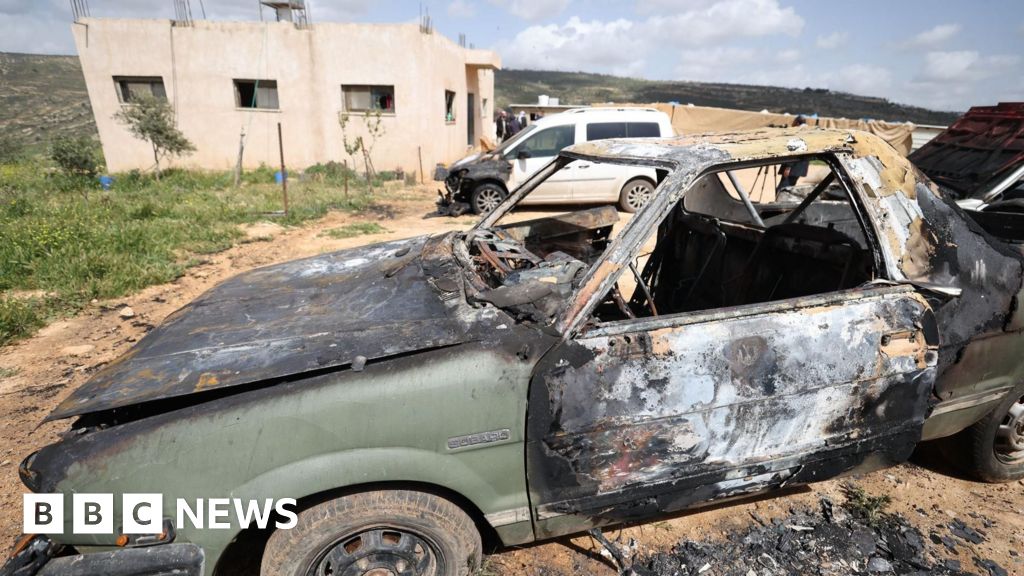
Recent disturbing incidents highlight the severity of the situation. For example, Israeli settlers allegedly forced Palestinians to exhume a grave—a practice condemned by the UN human rights office as “appalling.” In another tragic case, a Palestinian man was fatally shot during a settler attack in the village of Tayasir. Multiple villages have also suffered coordinated assaults, with homes, vehicles, and agricultural lands set ablaze.
Why These Sanctions Matter
The EU’s decision to sanction settler figures and organizations marks a critical stance against ongoing violence and illegal settlement activity. It reflects mounting frustration within Europe over the failure of diplomatic efforts to halt settlement expansion and protect Palestinian civilians.
By targeting individuals and groups directly involved in or supporting settler violence, the EU aims to increase pressure on those perpetuating instability. These sanctions could restrict travel, freeze assets, and limit financial transactions, thereby constraining the operational capabilities of these actors.
However, the sanctions also carry broader diplomatic implications. They may strain EU-Israel relations and provoke strong political responses within Israel and among its allies. The move underscores the EU’s commitment to upholding international law and human rights standards in the conflict.
Looking Ahead: What to Expect
As the EU finalizes the legal and technical details of these sanctions, attention will turn to their enforcement and impact on the ground. Observers will watch closely whether these measures deter settler violence or provoke further tensions.
For Palestinians living in the West Bank, the sanctions represent a potential step toward accountability and protection. For the Israeli government and settler groups, they pose a significant challenge to expansionist policies and practices deemed unlawful by the international community.
Ultimately, this development underscores the ongoing volatility in the West Bank and the urgent need for renewed efforts toward conflict resolution and peace. The EU’s actions may serve as a catalyst for broader international engagement aimed at addressing the root causes of violence and instability in the region.