Despite ambitious promises to decarbonise, Europe’s aviation emissions have surged past pre-pandemic figures, driven largely by the rapid expansion of low-cost carriers like Ryanair. New research reveals that total CO₂ emissions from European flights continue to climb, raising urgent questions about the industry’s environmental impact and the effectiveness of current regulatory measures.

What the Numbers Reveal: Ryanair’s Emissions and Sector Growth
According to a detailed analysis by the environmental thinktank Transport & Environment (T&E), Ryanair’s carbon footprint in 2025 soared to 16.6 megatonnes (Mt) of CO₂. This level of emissions is roughly equivalent to the entire annual greenhouse gas output of a small European nation such as Croatia. The airline’s passenger numbers have ballooned from 140 million in 2019 to over 200 million in 2025, reflecting its status as Europe’s fastest-growing carrier.

Meanwhile, the entire European aviation sector emitted approximately 195 Mt of CO₂ in departing flights last year. This figure marks a 2% increase compared to 2019, effectively erasing the temporary emission reductions caused by Covid-19 travel restrictions.

Low-Cost Carriers Driving Emissions Growth
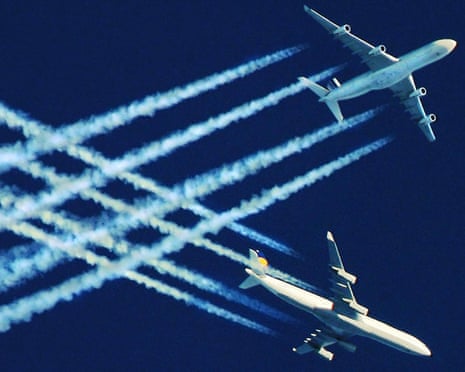
The surge in emissions persists despite the introduction of more fuel-efficient aircraft and public commitments by airlines to reduce their carbon footprints. The primary driver is the massive expansion of budget airlines, which have made flying more accessible but also increased total flight volumes significantly.
Limitations of Current Environmental Policies
The European Union and the United Kingdom have sought to curb aviation emissions through the Emissions Trading System (ETS), a carbon market designed to charge airlines for their pollution. However, T&E highlights serious gaps in the ETS coverage. The system only applies to flights that occur entirely within Europe, excluding the majority of long-haul flights operated by legacy carriers. These long-range flights burn more fuel and emit disproportionately higher levels of CO₂ but escape carbon pricing.
For example, while Ryanair pays about €50 (£36) per tonne of carbon emissions, Lufthansa pays nearly half that amount due to their different operating patterns. London to New York flights alone generated nearly 1.4 Mt of CO₂ in 2025 but remain outside the ETS framework.

Calls for Expansion of Carbon Market
T&E advocates for extending the ETS to encompass all departing flights from European airports, regardless of destination. Such an expansion could potentially quadruple the €4.1 billion currently raised for EU states by 2030. These additional funds could finance the development of sustainable aviation fuels and technologies to reduce contrail formation—cloud plumes that exacerbate global warming by trapping heat in the atmosphere.
Industry Response and Economic Realities
Amidst geopolitical tensions in the Middle East, the aviation industry has lobbied to suspend or weaken environmental taxes like the ETS. However, T&E’s report underscores that carbon costs remain minor compared to the impact of volatile jet fuel prices. Since the Iran conflict, jet fuel prices have approximately doubled, adding an estimated €90 per passenger on long-haul flights—vastly overshadowing the €3 cost increase associated with complying with sustainable fuel mandates.

Giacomo Miele, the author of the T&E analysis, stated, “Ticket prices are rising because of Europe’s reliance on fossil fuels, not because of the climate measures intended to steer the sector away from them.” He further warned, “Aviation emissions hitting a new high is a clear signal that the industry has no intention of cleaning up its act. It is time to stop subsidising fossil fuel dependency and start investing in the future of a sustainable aviation sector.”

Ryanair’s Position
Ryanair’s spokesperson defended the airline’s emissions increase as a consequence of rapid growth, emphasizing that all expansion occurs on new, fuel-efficient aircraft and at lower fares. The airline claims its greenhouse gas emissions per passenger are falling, outperforming legacy carriers like Lufthansa, Air France/KLM, and British Airways’ owner IAG in efficiency.
The airline also criticised the ETS figures as “completely discredited” because they exclude the most polluting long-haul flights. Ryanair argues that when considering all flights, it ranks lower in total emissions than its major competitors and asserts it has among the lowest CO₂ emissions per passenger kilometre, at approximately 64 grams.
Why This Matters: The Future of Sustainable Aviation
The resurgence of aviation emissions in Europe signals a critical crossroads for the industry and policymakers. While the sector’s growth demonstrates the demand for affordable air travel, unchecked expansion threatens climate goals and undermines broader decarbonisation efforts.

Expanding the ETS and increasing investments in sustainable aviation fuel and emission-reducing technologies could align economic growth with environmental responsibility. Without decisive action, Europe risks falling short of its climate commitments and perpetuating fossil fuel dependence within a vital transport sector.

As governments consider tightening emissions regulations, the aviation industry must reconcile growth ambitions with the urgent need to reduce its carbon footprint. The coming years will be pivotal in determining whether European aviation can truly embrace sustainability or remain locked in a cycle of rising emissions.