

Europe experienced an unprecedented climate upheaval in 2025, with scorching heatwaves, widespread wildfires, and alarming temperature records sweeping across the continent. While solar power surged to new heights, providing a brighter energy future, the dangerously high temperatures pose significant threats to ecosystems, agriculture, and communities.

Europe’s Climate Crisis: Record Heat and Fires Across the Continent
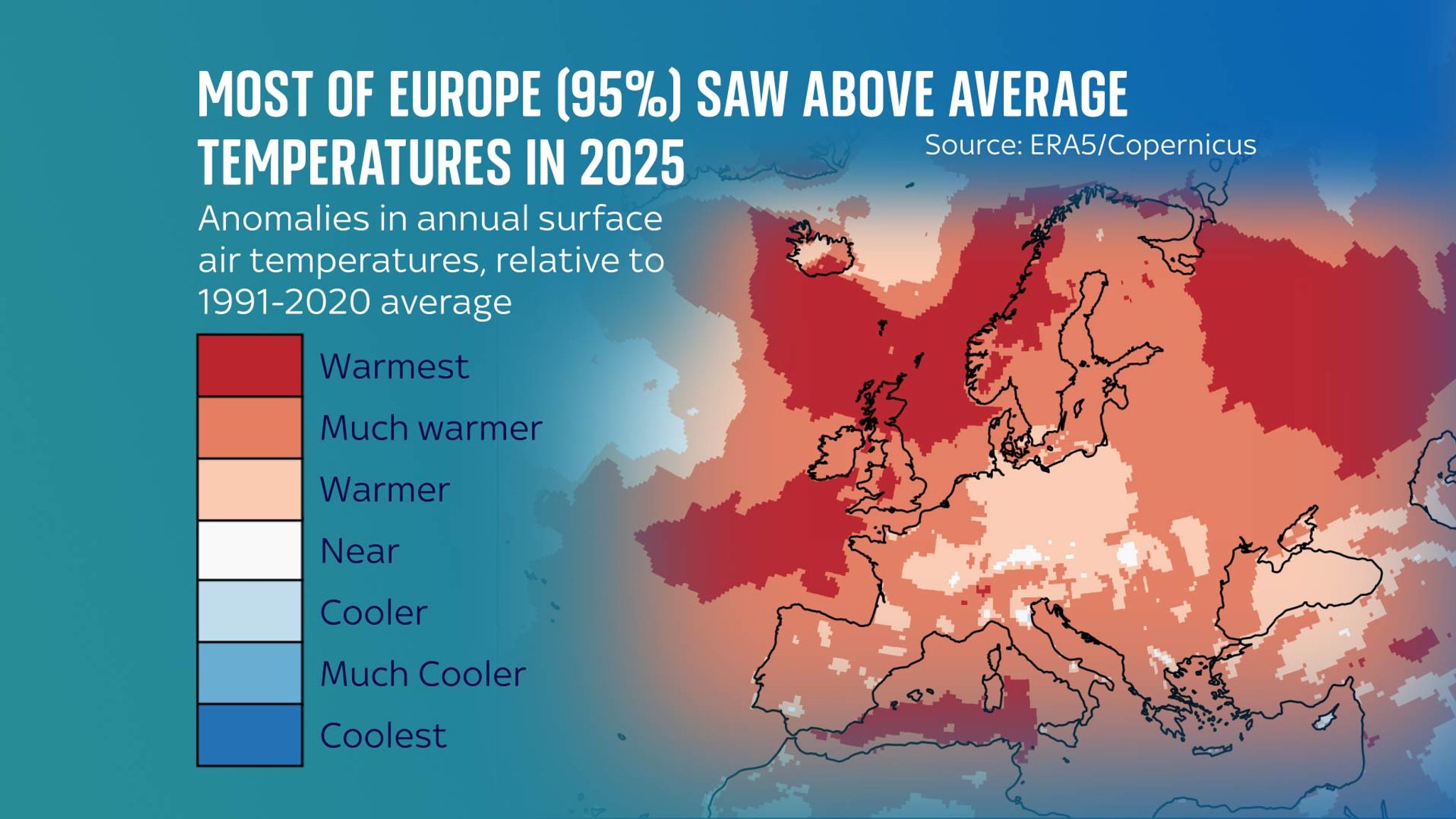
Throughout 2025, almost the entire European continent endured above-average temperatures, shattering previous heat records and triggering a cascade of environmental disasters. Portugal recorded blistering highs of 46°C (115°F), while areas inside the Arctic Circle experienced unseasonably warm temperatures nearing 30°C (86°F). Spain battled an unprecedented outbreak of 20 simultaneous large wildfires, devastating vast swaths of forest and countryside.
The European State of the Climate report, compiled by the Copernicus Climate Change Service and the World Meteorological Organization, highlighted the widespread impact of these “dangerously high” temperatures. The report warns of severe consequences for both human societies and natural ecosystems, exacerbating water shortages, threatening biodiversity, and increasing economic losses.
Britain’s Hottest Summer and Rising Costs
In the UK, 2025 marked the hottest summer on record, surpassing infamous heatwaves such as the 1976 event. This extreme heat led to nationally significant water shortages, a surge in wildfires, and substantial financial damage—farmers alone suffered losses estimated at £800 million.
Experts emphasize the growing frequency and scale of such heat events. Samantha Burgess of Copernicus contrasted the 1976 heatwave, which was relatively localized, with June 2025’s heat that stretched from the UK deep into Eastern Europe and Greece. This pattern underscores a broader trend of intensifying and expanding heatwaves across the continent.
Hilary McGrady, head of the National Trust, Europe’s largest conservation charity, stressed the urgency of adapting to these shifting conditions. She revealed that the charity recently mobilized its five million members to urge policymakers to protect Britain’s rapidly declining wildlife and natural landscapes. “These exceptional years are now becoming the norm,” McGrady said, calling for accelerated emission reductions aligned with scientific recommendations.
Why Is Europe Heating Up So Fast?
Europe stands out as the fastest-warming continent globally, a phenomenon driven by several interconnected factors. The Copernicus report identifies four major reasons behind this alarming trend.
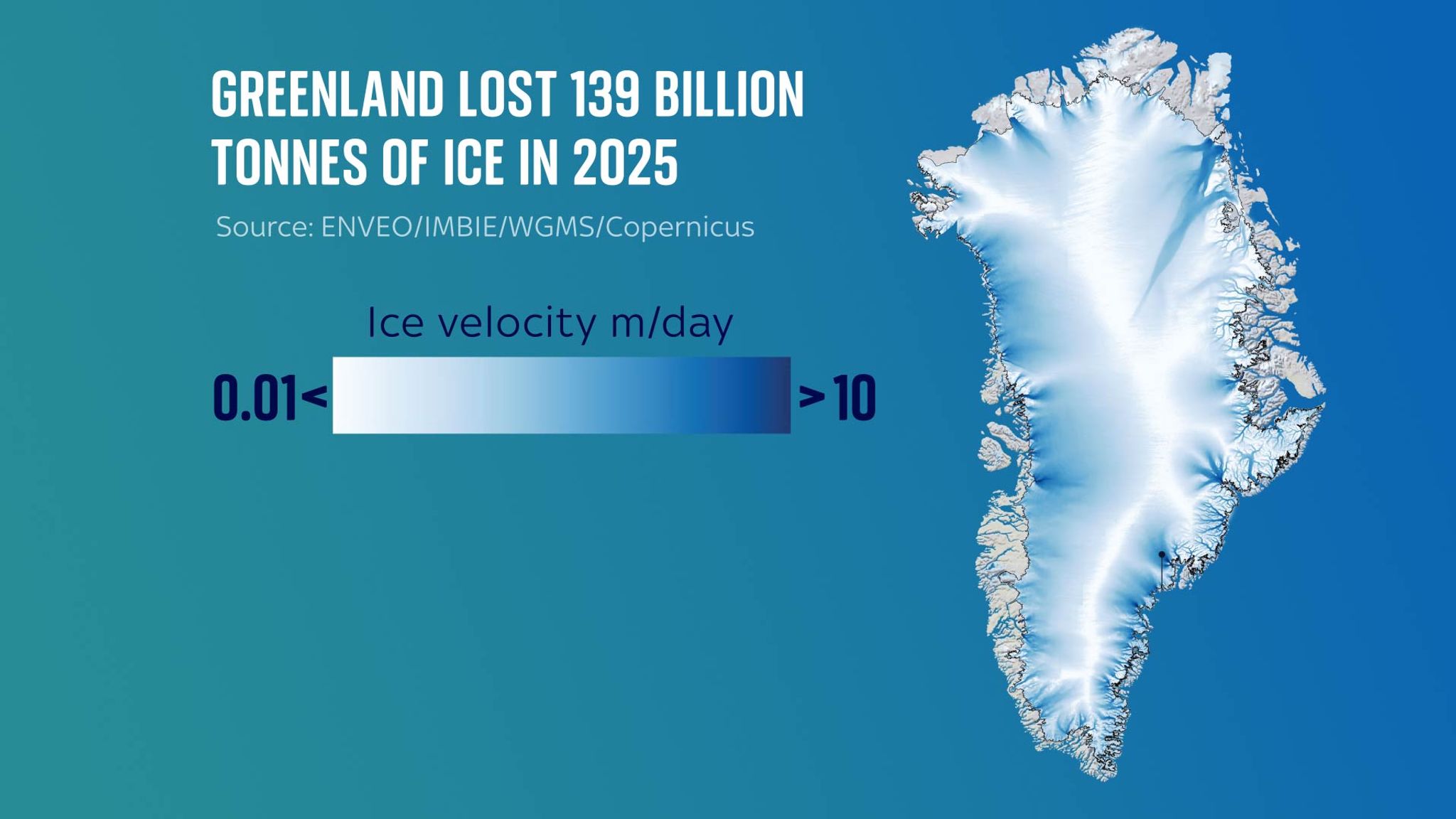
First, Europe’s close proximity to the Arctic region, which is warming at least three times faster than the global average, fuels higher temperatures. As Arctic ice melts, it reduces the earth’s reflective surface, allowing more solar radiation to heat the landmass below.
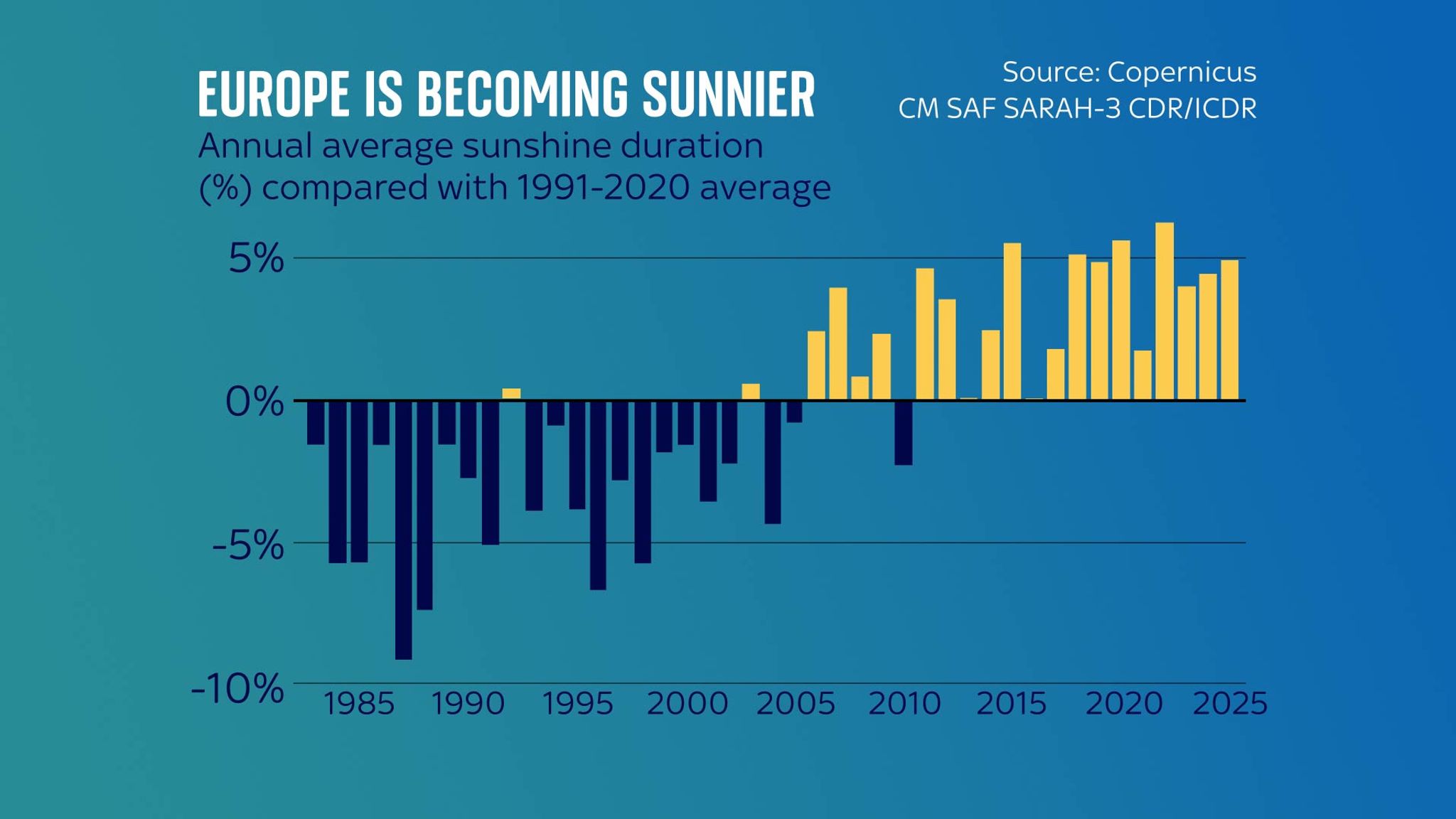
Second, Europe is experiencing increased sunshine due to long-term reductions in aerosol pollution. Since the 1980s, stricter environmental regulations have curbed pollution from vehicles and power plants, clearing skies of reflective clouds that previously blocked sunlight.
Third, changing atmospheric circulation and weather patterns are creating stronger and more persistent heatwaves. Finally, the rapid loss of snow cover diminishes the earth’s natural cooling effect, compounding the warming trend.
Solar Power Soars as Europe Becomes Sunnier
Amid the climate challenges, renewable energy is making remarkable strides. Solar power generation reached a record 12.5% of Europe’s electricity supply in 2025, up from 10.3% the previous year. This surge reflects both accelerated solar panel installations and the continent’s increasing sunshine, driven by clearer skies.
Gareth Simkins of Solar Energy UK explained the complex relationship between climate change and solar energy production. While solar panels require sunlight to generate electricity, they operate more efficiently at cooler temperatures. This dynamic makes it difficult to predict precisely how continued warming will affect future solar output.
What This Means: Balancing Energy Progress with Climate Risks
Europe’s experience in 2025 highlights a paradox: as the continent harnesses more solar energy thanks to sunnier skies, it simultaneously confronts escalating climate hazards. The record heatwaves and wildfires serve as stark reminders of the urgent need for comprehensive climate action.
Accelerating the transition to renewables like solar power can reduce greenhouse gas emissions, a critical step toward mitigating future warming. However, adaptation measures must also keep pace to protect vulnerable ecosystems, safeguard water resources, and support affected communities and industries.
Policymakers, conservation groups, and citizens face a daunting task. The science is clear—Europe must both reduce emissions aggressively and prepare for a hotter, more volatile future. Success will depend on coordinated efforts across nations and sectors, leveraging technological innovation alongside robust environmental stewardship.
As Europe’s climate continues to shift at an unprecedented rate, the continent’s ability to balance energy advancement with environmental resilience will shape the well-being of millions for decades to come.