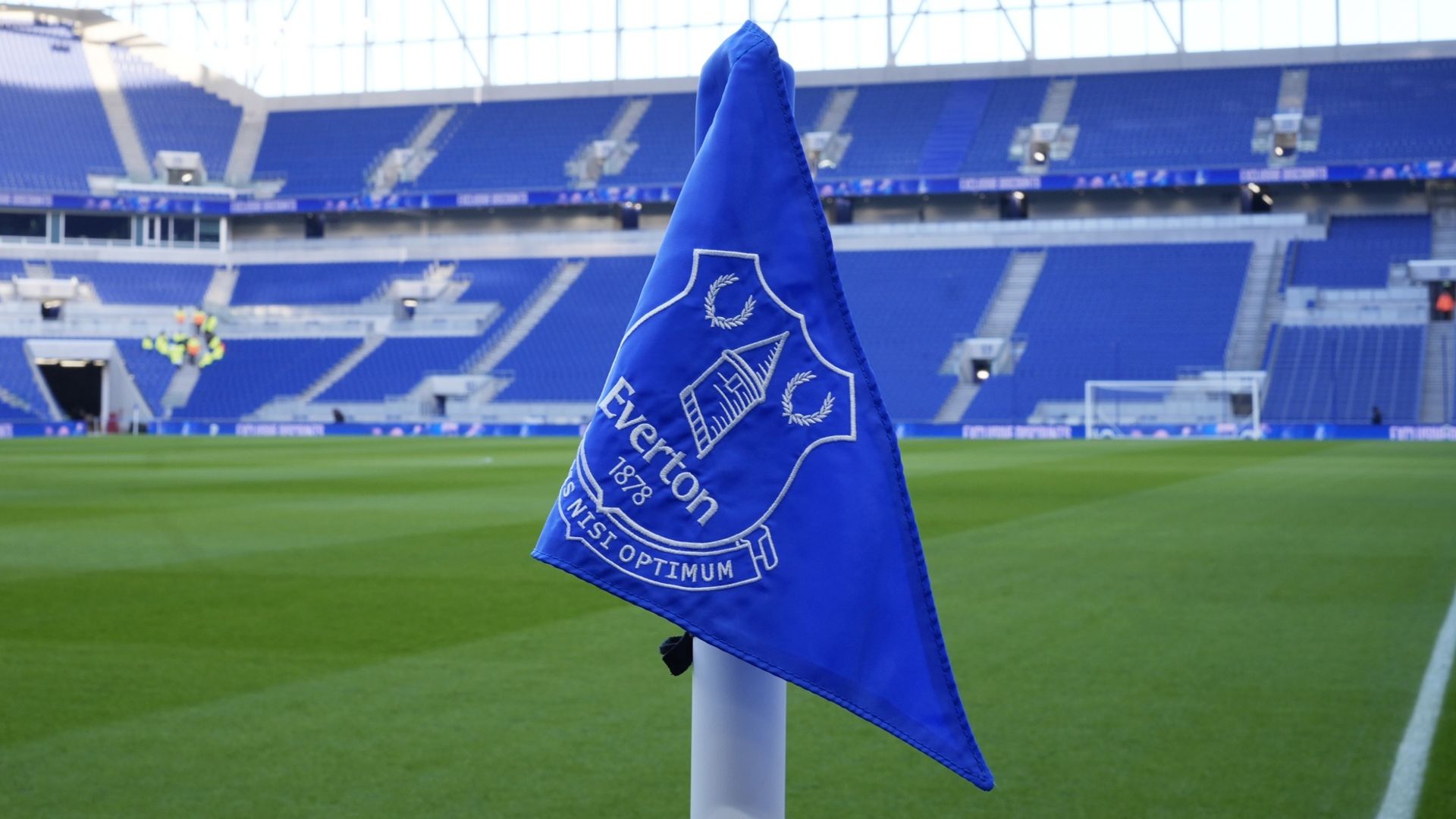
Everton Football Club faces a staggering financial penalty after being ordered to pay more than £35 million to Burnley FC. The compensation stems from breaches of the Premier League’s Profitability and Sustainability Rules during the 2021-22 season, the same campaign that saw Burnley relegated from the top flight.
What Led to Everton’s Multi-Million Pound Compensation Order?
The Premier League enforces strict regulations designed to maintain financial integrity and competitive balance among clubs. One such regulation is the Profitability and Sustainability Rules (PSR), which aim to limit excessive losses and encourage clubs to operate within their means.
During the 2021-22 season, Everton reportedly violated these rules by exceeding the permitted financial losses. This breach triggered an investigation and subsequent penalties. Burnley, relegated that season, suffered significant financial consequences linked to Premier League status and revenue streams. Everton’s breach was found to have impacted the competitive fairness and financial landscape, leading to the unprecedented compensation order.
The exact nature of the breaches has not been fully detailed publicly, but the size of the fine—over £35 million—reflects the severity of Everton’s non-compliance. This sum represents one of the largest financial penalties related to PSR violations in Premier League history.
Why This Financial Verdict Matters for Premier League Clubs
This ruling sends a clear message about the Premier League’s commitment to enforcing financial regulations rigorously. Clubs are under increasing pressure to manage their finances responsibly amid rising player salaries, transfer fees, and operational costs.
Burnley’s relegation in 2021-22 drastically reduced their income from broadcasting rights, sponsorships, and matchday revenue. The financial gap between Premier League and Championship football is vast, and breaches of PSR by rival clubs can distort competitive balance. Everton’s penalty aims to compensate Burnley for losses indirectly caused by unfair financial practices.
Moreover, this case underscores the risks clubs face if they ignore financial sustainability rules. Beyond fines, non-compliance can jeopardize reputations, investor confidence, and long-term viability. This enforcement highlights the Premier League’s role in safeguarding the league’s economic health and competitive integrity.
What Comes Next for Everton and the Wider Football Community?
Everton must now address this substantial financial liability, which could affect their transfer strategies, wage budgeting, and overall fiscal planning. The club’s management will likely face scrutiny from fans, stakeholders, and the media about how they will recover from this setback.
For Burnley, this compensation provides a crucial financial boost following their drop to the lower tier. It may help stabilize their operations as they seek promotion back to the Premier League.
More broadly, this ruling could inspire other Premier League clubs to exercise greater caution in financial dealings. The enforcement of PSR regulations is expected to intensify, with the league signaling zero tolerance for breaches that harm competitive fairness.
Football authorities across Europe have been scrutinizing financial governance, but the Premier League’s move sets a significant precedent in England. Clubs will need to balance ambition on the pitch with prudence off it to avoid similar penalties.
Takeaway: A Wake-Up Call for Premier League Financial Discipline
The decision to impose a >£35 million compensation payment on Everton over PSR breaches is a landmark moment in Premier League financial regulation. It highlights the growing importance of sustainability rules in preserving the league’s competitiveness and financial health.
Both Everton and Burnley are emblematic of the challenges football clubs face in balancing ambition with economic reality. This ruling serves as a powerful reminder to all Premier League teams that financial mismanagement carries serious consequences—not just in fines but in competitive integrity and club futures.
As the Premier League continues to evolve, stakeholders must prioritize transparency and responsible spending to ensure a fair and sustainable competition for years to come.