

The UK government has unveiled a sweeping defence investment plan that will see the retirement of several key weapons systems, including the iconic Storm Shadow cruise missiles and a variety of military helicopters. While the plan aims to modernize the armed forces, it notably falls billions of pounds short of the funding levels military leaders have long insisted are necessary to maintain national security and global influence.
What the New Defence Plan Entails
The recently disclosed defence strategy marks a significant shift in the UK’s military capabilities. Central to this overhaul is the decision to withdraw older equipment from service to make way for newer, more advanced technologies. Among the most prominent cuts is the phased retirement of the Storm Shadow cruise missile, a long-range precision strike weapon that has been a cornerstone of the UK’s offensive arsenal for years.
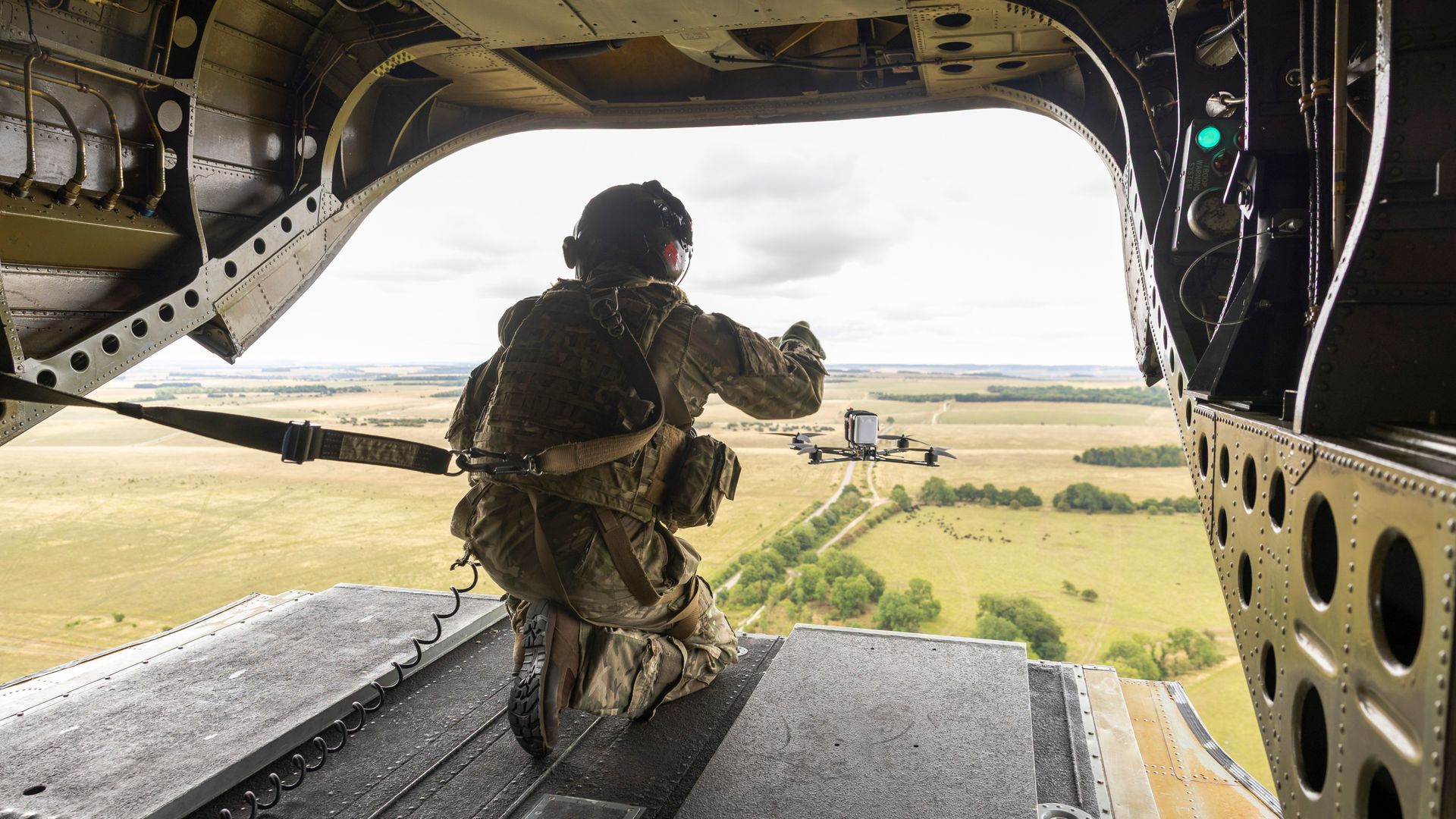
Alongside the missile reductions, the plan also includes scrapping various helicopter models currently deployed across the British Army and Royal Air Force. These helicopters have played critical roles in troop transport, reconnaissance, and close air support missions. Their removal signals a change in operational priorities and resource allocation.
Despite these cuts, the plan promises fresh investment in emerging technologies and modern platforms, though specific details on replacements remain limited. The overall budget allocated to this defence refresh, however, has sparked concern among military officials and defence experts alike, who argue that the funding falls far short of what is required to effectively counter evolving global threats.
Why This Matters: Funding Gaps and Security Implications
Military chiefs have repeatedly stressed the importance of adequate investment in defence to address escalating global tensions and technological advancements among potential adversaries. The UK’s current plan, which leaves a multi-billion-pound shortfall compared to recommended spending levels, raises questions about the country’s ability to maintain a robust and credible military deterrent.
The retirement of the Storm Shadow missile removes a highly capable long-range strike option without a clear, immediate replacement. This could potentially limit the UK’s capacity to project power in critical regions. Similarly, the reduction in helicopter fleets may impact operational flexibility, particularly in rapid deployment and support roles.
Experts caution that while modernization is essential, underfunding risks creating capability gaps. The UK faces a complex security landscape, including challenges from state actors like Russia and China, as well as non-state threats and cyber warfare. A defence posture weakened by budget constraints could undermine the nation’s strategic objectives and international commitments.
What Comes Next for UK Defence
The government has signaled that further defence reviews and procurement decisions will follow, with an emphasis on upgrading technology and enhancing joint operations across the armed services. However, the current plan’s funding limitations suggest a delicate balancing act ahead between ambition and affordability.
Observers will be watching closely how the Ministry of Defence prioritizes spending to address shortfalls and whether Parliament will approve additional resources to bridge the gap. The evolution of the UK’s defence capabilities will likely hinge on securing sustainable investment that matches the scale of emerging threats.
As the UK moves forward with this transformative defence strategy, the decisions made now will shape the country’s military effectiveness and global standing for decades to come.
Takeaway: The UK’s defence investment plan signals a bold restructuring of military assets, notably retiring Storm Shadow missiles and key helicopters. Yet, the significant funding shortfall leaves critical questions about the armed forces’ future readiness and strategic reach in a volatile global environment.