

A patient in the United Kingdom is currently undergoing testing for suspected Ebola virus infection, prompting heightened vigilance from health authorities and medical staff. This development underscores the ongoing global concern surrounding viral hemorrhagic fevers and the importance of rapid response in containing potentially deadly outbreaks.
What Happened: The Suspected Ebola Case in the UK
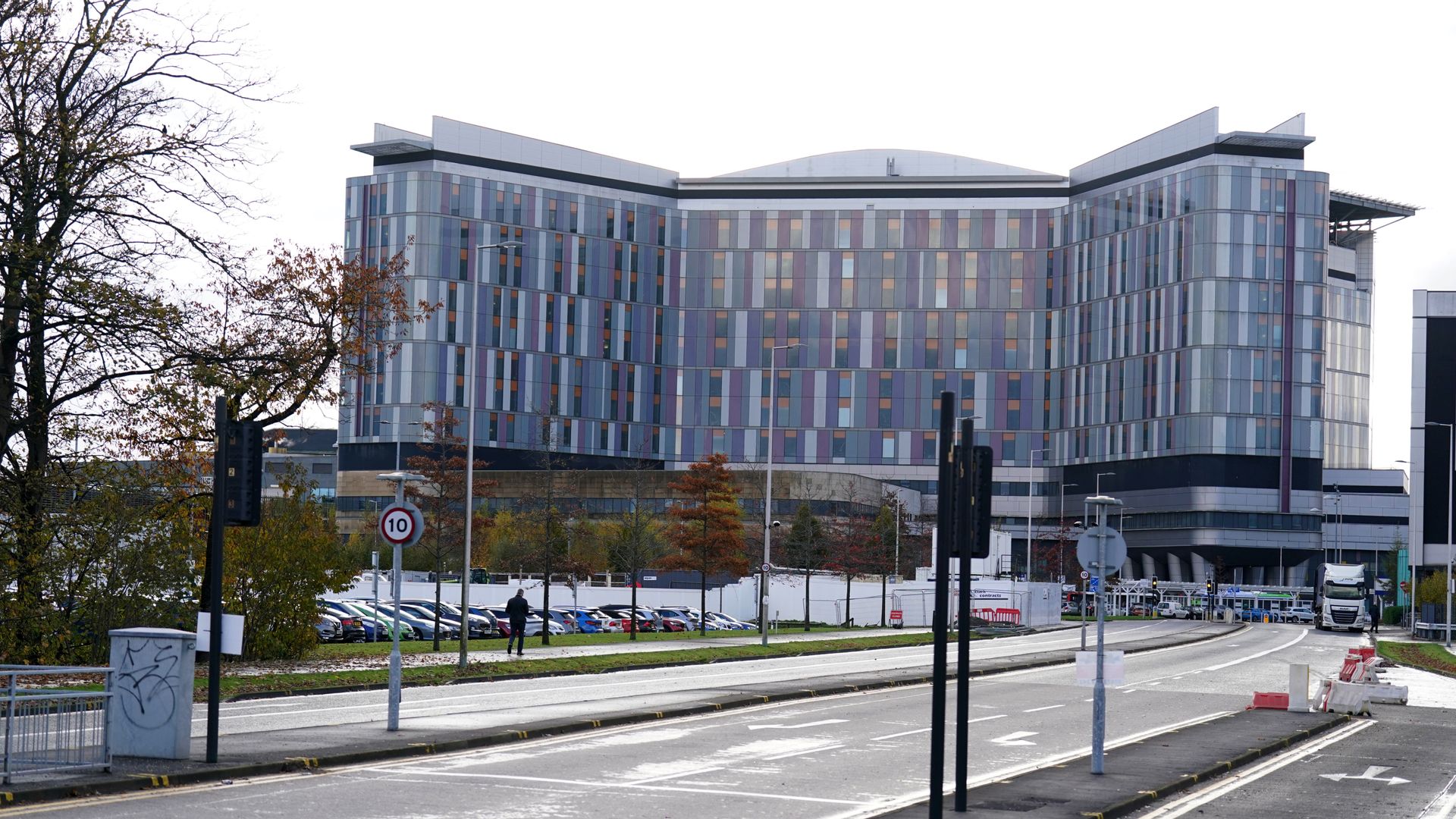
A patient admitted to a British hospital has been isolated and tested after presenting symptoms consistent with Ebola virus disease (EVD). While details about the individual’s travel history or possible exposure have not been publicly disclosed, the hospital is following strict infection control protocols to prevent transmission. Medical teams are working swiftly to confirm or rule out the diagnosis using advanced laboratory testing.
Ebola, a severe and often fatal illness caused by the Ebola virus, is primarily found in parts of Central and West Africa. The virus spreads through direct contact with bodily fluids of infected individuals or contaminated surfaces. Symptoms typically include fever, severe headache, muscle pain, weakness, diarrhea, vomiting, and unexplained bleeding. Given these alarming symptoms, health care providers treat suspected cases with the utmost caution.
Why This Matters: Ebola’s Global Health Implications
The emergence of a suspected Ebola case in the UK highlights the persistent threat posed by infectious diseases in an interconnected world. Although the UK has robust healthcare infrastructure and stringent protocols for handling infectious diseases, the possibility of Ebola reaching its hospitals signals the need for constant preparedness.
Recent Ebola outbreaks in Africa have drawn international attention due to their high fatality rates and potential for rapid spread. The World Health Organization (WHO) and public health agencies worldwide continuously monitor such cases, coordinating efforts to prevent cross-border transmission. Hospitals in countries outside Africa remain on alert, particularly when patients arrive from regions where Ebola is endemic or experiencing outbreaks.
In addition to the public health risks, suspected Ebola cases often generate significant public concern and media attention. Health authorities emphasize the importance of accurate information and measured responses to avoid panic and misinformation. The UK’s National Health Service (NHS) regularly trains staff to identify and manage cases of highly infectious diseases, ensuring patient safety and community protection.
What Comes Next: Testing, Diagnosis, and Containment
Currently, the patient is undergoing diagnostic tests, including polymerase chain reaction (PCR) assays, which can detect Ebola virus genetic material with high accuracy. These tests typically take several hours to days to process, depending on the laboratory’s capabilities and sample transport logistics.
While awaiting results, the patient remains in isolation under strict infection control measures. Medical personnel use personal protective equipment (PPE) and follow protocols designed to prevent virus transmission. If the diagnosis is confirmed, public health authorities will initiate contact tracing to identify and monitor anyone who may have been exposed.
Conversely, if the tests return negative, it will alleviate concerns of an Ebola case in the UK but reinforce the importance of vigilance in diagnosing and managing patients with similar symptoms. Other infectious diseases, such as malaria, dengue, or Lassa fever, can present with overlapping symptoms and also require timely treatment and containment strategies.
Health officials continue to urge travelers to endemic regions to take precautions and seek medical attention promptly if symptoms develop after travel. Vaccines and experimental treatments have improved the outlook for Ebola patients, but early detection remains critical to controlling outbreaks and saving lives.
Looking Ahead: The Importance of Global Disease Preparedness
This suspected Ebola case serves as a stark reminder of the ongoing challenges posed by emerging infectious diseases. It underscores the necessity for robust surveillance systems, rapid diagnostic capabilities, and international cooperation to detect and respond to health threats swiftly.
Hospitals and public health agencies worldwide must remain vigilant, continually updating protocols and training to handle rare but dangerous infections. The global community’s ability to contain diseases like Ebola depends on timely information sharing, resource allocation, and public education.
For the UK, this incident reinforces the critical role of the NHS and public health bodies in safeguarding the nation’s health. While the outcome of this particular case remains pending, the swift action taken exemplifies the country’s preparedness to confront infectious disease threats head-on.
Full details have not yet been released as testing continues.