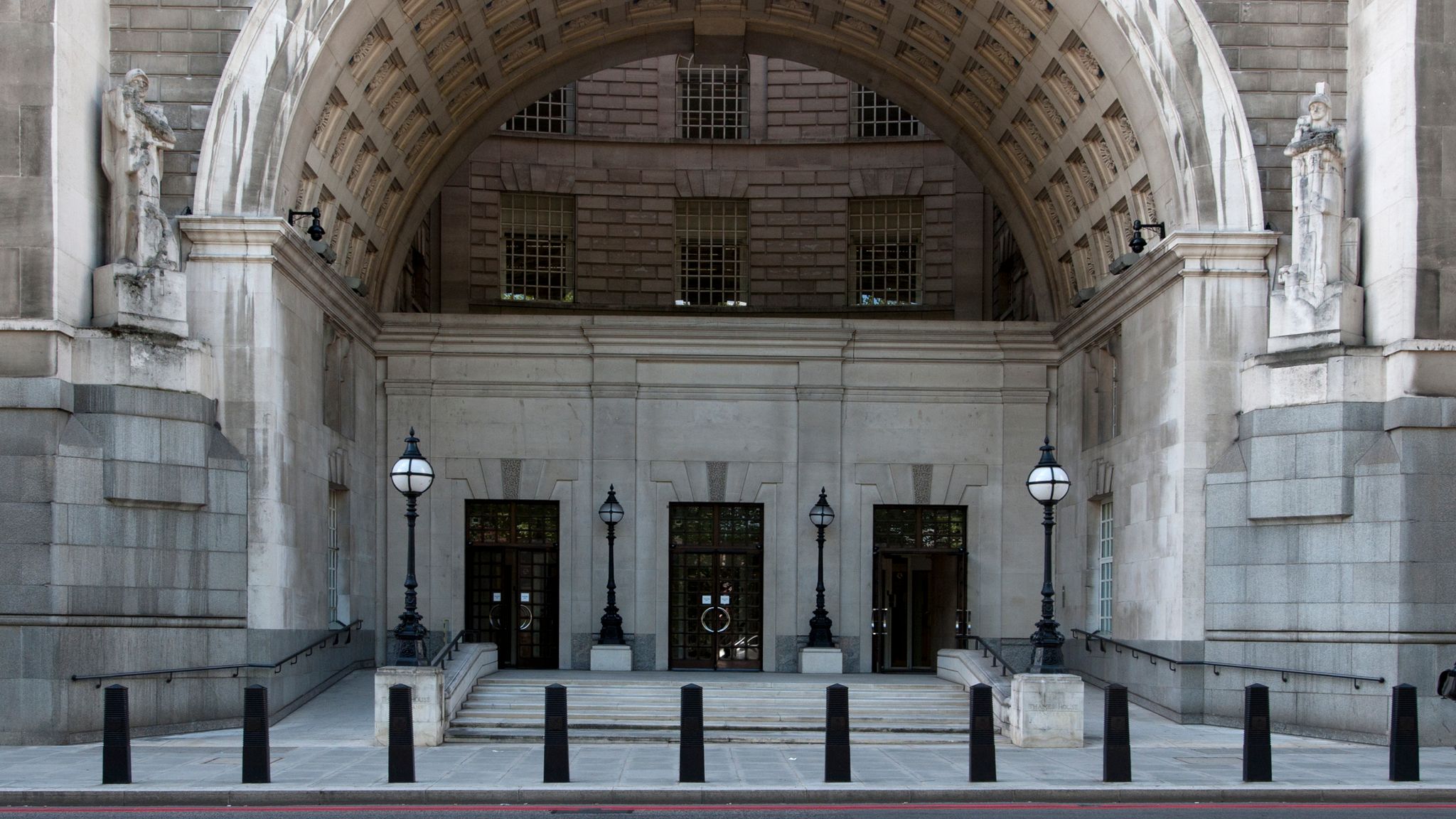
A former MI5 contractor has revealed startling details of ninja-style weapon training during his time at the British intelligence agency’s London headquarters, Thames House. Juan Joseph, 43, who stands accused of leaking classified information, told police he received self-defense instruction involving swords and knives as part of his security preparation.
What Happened: Arrest and Allegations
Juan Joseph, once a trusted IT contractor at MI5, was arrested in January 2025 at an Ibis hotel in Sutton, South London. Authorities detained him for allegedly violating the Official Secrets Act and the National Security Act by leaking sensitive information to a foreign power. His arrest followed suspicions that he attempted to arrange a secret meeting at a Latvian embassy while pursuing a grievance against MI5.
During the arrest, officers found Joseph carrying a lock knife, which he claimed was for self-defense and authorized due to his former role. A subsequent search of his home uncovered a homemade identification card falsely portraying him as an MI5 officer, raising further concerns about his activities.
Claims of Special Training and Personal Struggles
In police interviews, Joseph described undergoing specialized self-defense training at Thames House led by a ninjutsu instructor. He spoke of practicing with “swords and knives and stuff,” suggesting a level of combat preparedness uncommon for typical contractors. Beyond ninjutsu, Joseph also claimed expertise in multiple martial arts disciplines, including a first dan black belt in taekwondo, aikido, judo, and wrestling.
Despite carrying the lock knife, Joseph insisted he never used it and only kept it as a deterrent. He portrayed himself as a “whistleblower” who was permitted to carry such items for protection given the sensitive nature of his work.
Joseph also shared troubling details about his health, alleging he suffered a heart condition following an assault at Thames House. He claimed an attack involved a needle containing an unknown substance that caused him lasting cardiac issues—a condition he identified as hyperkinesia, which impairs proper heart pumping.
Context: Career, Allegations, and Mental Health
Joseph held the highest level of security clearance during his 11-year tenure at MI5, serving roles such as systems engineer, security IT management engineer, and senior support engineer. However, his contract was terminated in October 2020 amid concerns over his deteriorating mental health. Colleagues reported signs of “mental fragility,” “extreme anxiety,” and “paranoia,” which coincided with Joseph making serious but unsubstantiated allegations of racial abuse and violent crimes within the agency.
According to court transcripts, Joseph asserted that he was a victim of racial abuse during his time at MI5 and firmly denied any wrongdoing. He maintained that none of the information he allegedly leaked could harm the United Kingdom, denying any malicious intent. “I’m not a threat to the country,” he stated emphatically, expressing hurt over accusations against him.
The charges against Joseph include four counts under the Official Secrets Act and National Security Act, as well as possession of an article with a blade or point during his arrest. The trial at the Old Bailey is proceeding partly behind closed doors due to the sensitive nature of the allegations.
Why This Matters: Security, Trust, and Mental Health Challenges
This case highlights the complex intersection of national security, individual rights, and mental health within intelligence agencies. MI5 relies heavily on trust and discretion from its contractors and employees, especially those with top-level clearance. Breaches of secrecy can jeopardize operations and national safety, making allegations of leaks particularly serious.
At the same time, Joseph’s claims of racial abuse and mental health struggles raise questions about the support systems and workplace culture inside intelligence services. His assertion of receiving unconventional self-defense training also sheds light on the rigorous, sometimes secretive, preparation staff may undergo.
The ongoing trial will shed more light on the extent of any wrongdoing and the veracity of Joseph’s defense. The outcome could influence policies concerning contractor vetting, whistleblower protections, and mental health support within MI5 and similar agencies.
Looking Ahead
As the Old Bailey trial continues, it remains critical to monitor how justice balances national security interests with individual rights and wellbeing. Cases like Juan Joseph’s underscore the pressures faced by intelligence personnel and the delicate nature of safeguarding secrets in a rapidly evolving geopolitical landscape.
Full details have not yet been released as the trial progresses under partial secrecy.