

In a startling admission that has ignited controversy across football circles, a former Premier League referee revealed he deliberately avoided blowing the whistle during matches as part of a personal “game.” This confession raises serious questions about the integrity and decision-making processes of officials at the highest level of English football.
What Happened: The Referee’s Admission
The retired Premier League official disclosed that he often found ways to entertain himself while managing matches by “joking about” and engaging in subtle “games” with players and the flow of the game. According to his account, part of this amusement involved intentionally refraining from blowing the whistle immediately, even when fouls or stoppages occurred.
This candid revelation has caused a backlash from fans, players, and pundits alike, who expect referees to maintain strict impartiality and uphold the rules without bias or distraction. The referee’s remarks suggest a level of casualness that many see as incompatible with the responsibilities of officiating top-tier football.
While he did not specify particular matches or incidents, his comments imply that the boundary between enforcing the laws of the game and personal entertainment sometimes blurred during his tenure.
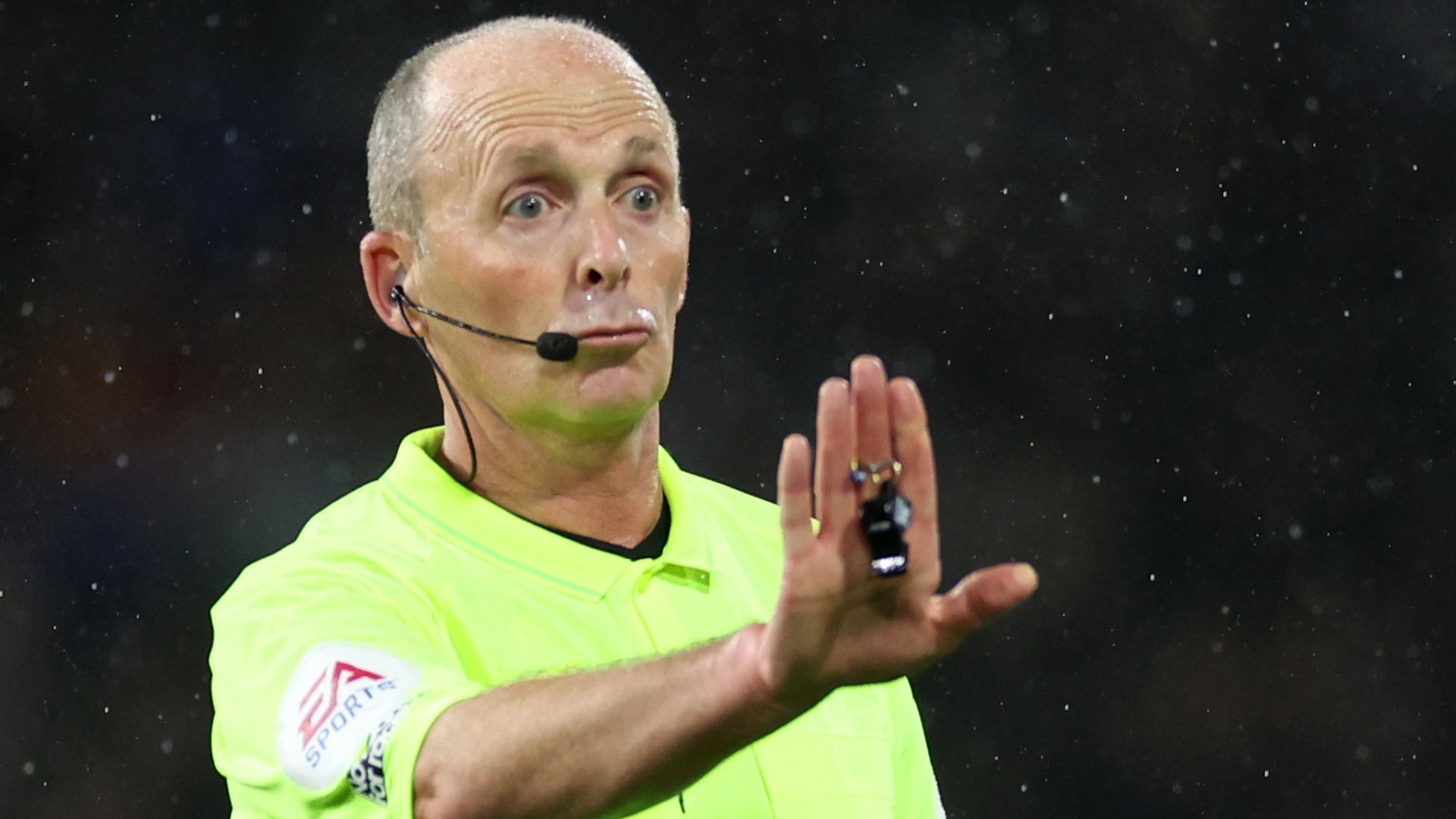
Why It Matters: The Role of Referees in Football Integrity
Referees serve as the guardians of fairness and order on the football pitch. Their decisions can influence match outcomes, impact player safety, and uphold the sport’s spirit. Any indication that an official might prioritize personal amusement over impartial judgment undermines public trust in the game.
In the Premier League, where millions watch every match and stakes are extraordinarily high, refereeing demands absolute professionalism. The league has invested heavily in technology such as Video Assistant Referee (VAR) systems to support referees and minimize errors. Yet, personal conduct and attitude remain crucial.
The former referee’s admission highlights a human element often overlooked: how officials cope with the immense pressure and monotony of repeated decisions. While some may develop coping mechanisms to stay focused, this confession suggests that for some, the line between professionalism and personal amusement can dangerously blur.
What Comes Next: Impact on Refereeing Standards and Public Perception
Football authorities, including the Professional Game Match Officials Limited (PGMOL), are likely to scrutinize such admissions closely. Maintaining stringent standards of conduct and accountability for referees is essential to protecting the game’s credibility.
Fans and players may demand greater transparency about referees’ on-field behavior and decision-making processes. This could accelerate calls for enhanced training, psychological support, and monitoring of officials to ensure they remain fully engaged and impartial during matches.
Moreover, this story serves as a cautionary tale about the risks of complacency or inappropriate attitude in officiating. Referees must balance mental resilience with unwavering commitment to fairness—failure to do so threatens the integrity of the sport at all levels.
Closing Takeaway
The revelation from this former Premier League referee exposes a troubling aspect of football officiating rarely discussed publicly. While referees face immense pressures and challenges, their role demands unwavering professionalism. This confession compels governing bodies, clubs, and fans to reflect on how referees are supported and held accountable in the modern game.
Ultimately, preserving trust in football depends on referees who prioritize the rules and fairness above personal amusement. The sport’s integrity hinges on their ability to carry out their duties with full focus and impartiality, ensuring every match is contested on a level playing field.