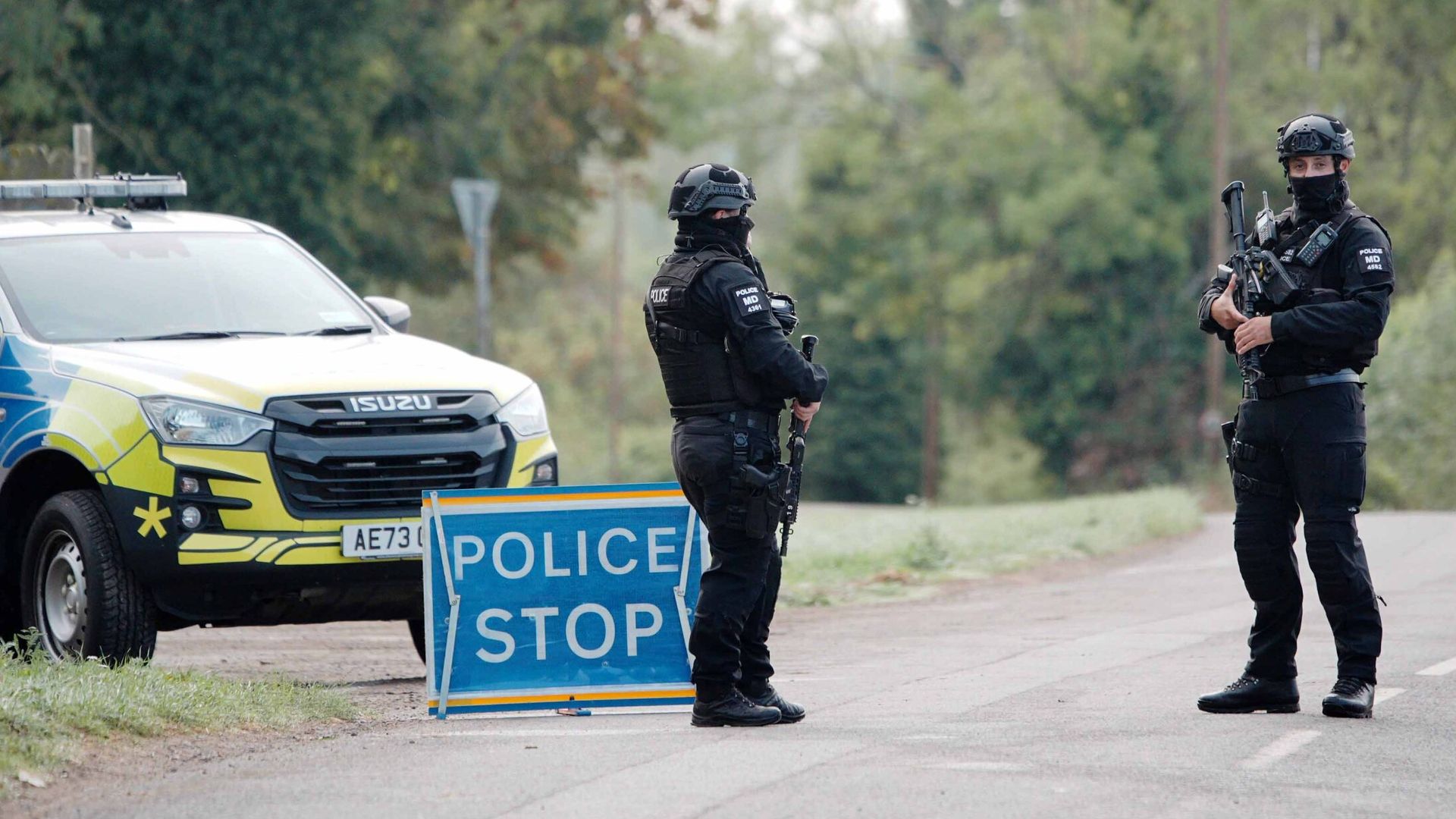
A shocking incident unfolded at a university campus when a former student discharged a crossbow, injuring a staff member and prompting an immediate law enforcement response. The suspect now faces serious charges of attempted murder, highlighting a rare but alarming act of violence within an academic setting.

The Incident: Crossbow Attack on University Grounds
Authorities arrested a former student after a staff member was shot with a crossbow on university property. While details about the victim’s condition have not been fully disclosed, the seriousness of the charge reflects the gravity of the attack. The use of a crossbow—a weapon not commonly associated with campus violence—has raised concern among students, faculty, and security officials.
This event is particularly unsettling because it disrupts the perception of universities as safe environments dedicated to learning and growth. Campus security protocols are now under scrutiny as this unusual weapon breach highlights potential vulnerabilities in controlling access to dangerous items.
Legal and Campus Security Implications
The former student’s charge of attempted murder signals the prosecution’s intent to pursue the case aggressively. Attempted murder charges require proof of intent to kill, indicating investigators believe this was a deliberate act rather than an accident or reckless behavior.
University officials are working closely with law enforcement to review safety measures and prevent future incidents. This includes evaluating entry points, monitoring systems, and emergency response plans. The incident has sparked a broader discussion about how institutions can better protect their communities from unconventional threats.
What This Means for Universities and Campus Safety
Violent attacks on campuses remain rare but carry profound consequences for everyone involved. The psychological impact on students and staff can be long-lasting, affecting feelings of security and trust within the academic environment. Universities must balance openness with stringent safety policies, ensuring that weapons are kept off campus without creating an atmosphere of fear or suspicion.
Moreover, this case underscores the importance of mental health resources and early intervention strategies. Understanding the motivations behind such violent acts can help institutions identify warning signs and provide support before situations escalate.
Law enforcement agencies will likely use this case as a reference point for handling similar attacks, emphasizing coordinated response and thorough investigations. Public awareness around campus safety may increase, encouraging students and faculty to report suspicious behavior promptly.
Looking Ahead: Strengthening Campus Security and Community Resilience
As the legal process unfolds, universities nationwide may revisit their security frameworks to address emerging threats. This incident serves as a stark reminder that violence can occur unexpectedly, requiring vigilance and preparedness from all stakeholders.
Universities will need to foster a culture of safety and openness, where students and staff feel empowered to speak up and collaborate with security personnel. Enhanced training, technology upgrades, and community engagement will be critical components in preventing future tragedies.
Ultimately, the focus must remain on healing and resilience—supporting victims, reassuring the campus community, and implementing lessons learned to safeguard academic environments for years to come.