

A tragic accident unfolded when a train struck a car at a level crossing, resulting in the death of one individual and leaving a child with life-threatening injuries. Emergency services rushed to the scene, where the severity of the collision quickly became apparent.
The Incident: What Happened at the Level Crossing?
The collision occurred at a railway level crossing, a location where roads intersect with train tracks. These crossings require drivers to be vigilant and obey safety signals to prevent accidents. In this case, a car was hit by an oncoming train while attempting to cross the tracks.
Details about the exact time and location of the crash have not been fully disclosed, but authorities confirmed that the impact was severe enough to cause immediate fatalities and critical injuries. The person killed in the accident was inside the vehicle at the time of the crash, and a child passenger suffered serious injuries, necessitating urgent hospital care.
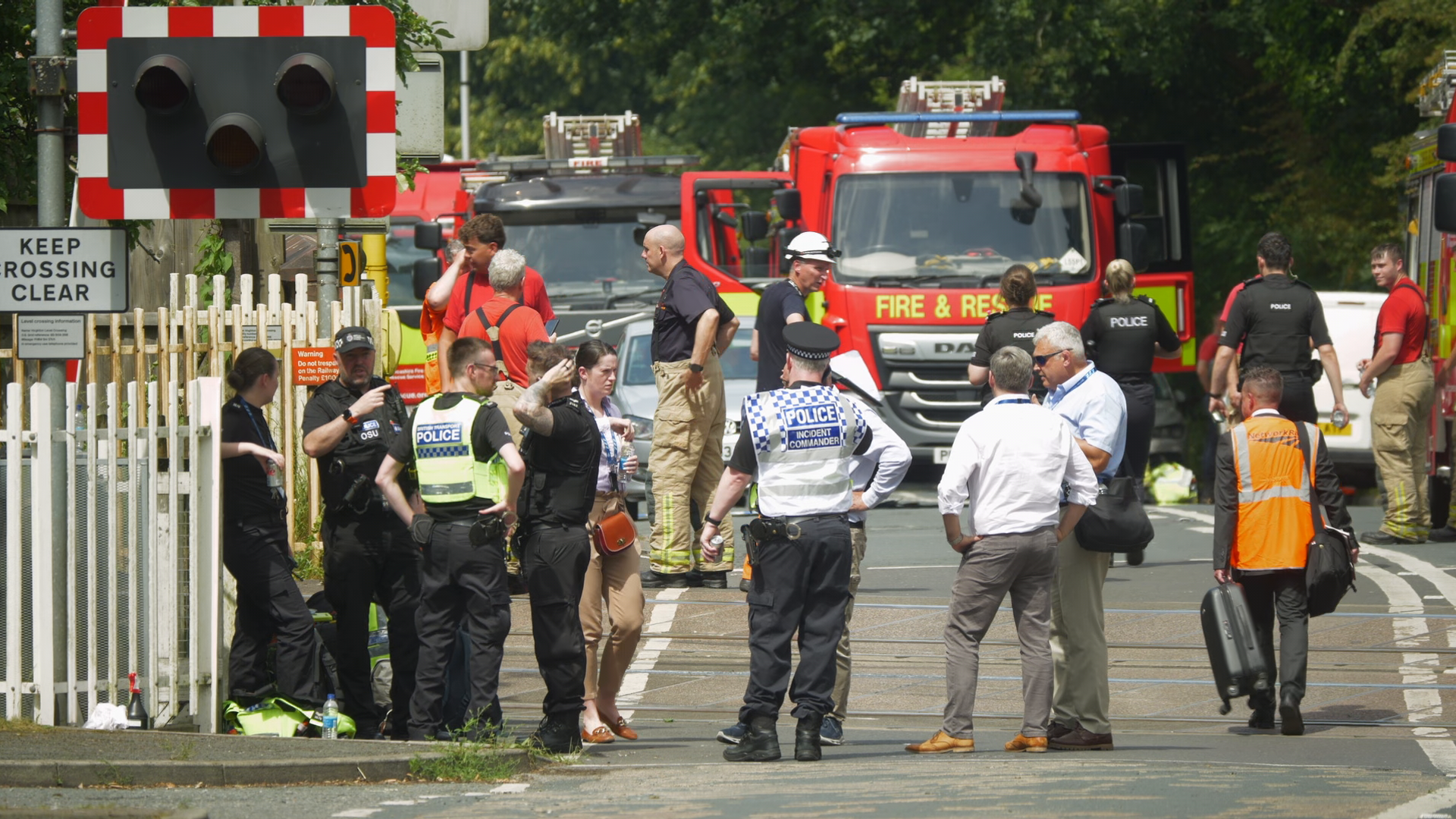
Emergency responders, including police, firefighters, and paramedics, arrived swiftly to secure the scene and provide aid. The injured child was transported to a nearby hospital where medical teams are working to stabilize their condition.
Why Level Crossing Safety is Crucial
Level crossings are inherently dangerous points where road traffic and trains intersect. Despite safety measures such as barriers, warning lights, and alarms, accidents continue to occur, often with devastating consequences. The risks are heightened when drivers ignore signals, attempt to beat trains, or misjudge the timing of an approaching train.
According to transportation safety experts, many accidents at level crossings could be prevented through increased awareness, improved infrastructure, and stricter enforcement of traffic laws. In some regions, efforts have been made to replace level crossings with overpasses or underpasses to separate road and rail traffic entirely, significantly reducing the potential for collisions.
This recent tragedy underscores the ongoing challenges in ensuring safety at these intersections. It also highlights the importance of public education campaigns aimed at reminding drivers and pedestrians of the dangers posed by level crossings.
What This Means for the Community and Future Safety Measures
The fatal crash has sent shockwaves through the local community, where residents mourn the loss and pray for the recovery of the injured child. Such incidents often prompt reviews of safety protocols and infrastructure improvements to prevent similar tragedies.
Railway authorities and local governments typically respond to fatal level crossing accidents by conducting thorough investigations to determine causes and recommend safety enhancements. These may include installing additional safety barriers, upgrading warning systems, or enhancing driver visibility around crossings.
Families affected by such incidents face long-term emotional and financial hardships. Community support services often mobilize to provide assistance, while policymakers may revisit regulations governing level crossing safety in response to public concern.
Ultimately, this accident serves as a grim reminder of the vital importance of adhering to traffic signals and exercising caution near railway tracks. It also calls attention to the ongoing need for investment in safer transportation infrastructure.
Looking Ahead: Preventing Future Tragedies
Preventing collisions between trains and vehicles demands a multifaceted approach. Drivers must remain alert and comply with all crossing signals. Authorities should continue to prioritize upgrading level crossing safety features and consider long-term solutions such as grade separations.
Public awareness campaigns and driver education are essential components in reducing risk. Technological innovations, such as improved train detection systems and real-time alerts for drivers, could further enhance safety at crossings.
As the community grapples with the aftermath of this heartbreaking accident, the focus will inevitably turn toward measures that can save lives in the future. Ensuring that lessons are learned and that safety is continuously improved remains paramount.
This tragic event emphasizes the urgent need for vigilance and action to protect all road and rail users from preventable harm.