

Formula One has been forced into an unprecedented five-week hiatus due to escalating conflict in the Middle East, halting the high-speed championship amid geopolitical tensions. As the sport revs up to resume, uncertainty looms over its ability to complete the season in the region, prompting swift contingency measures and strategic adaptations by F1 leadership and stakeholders.
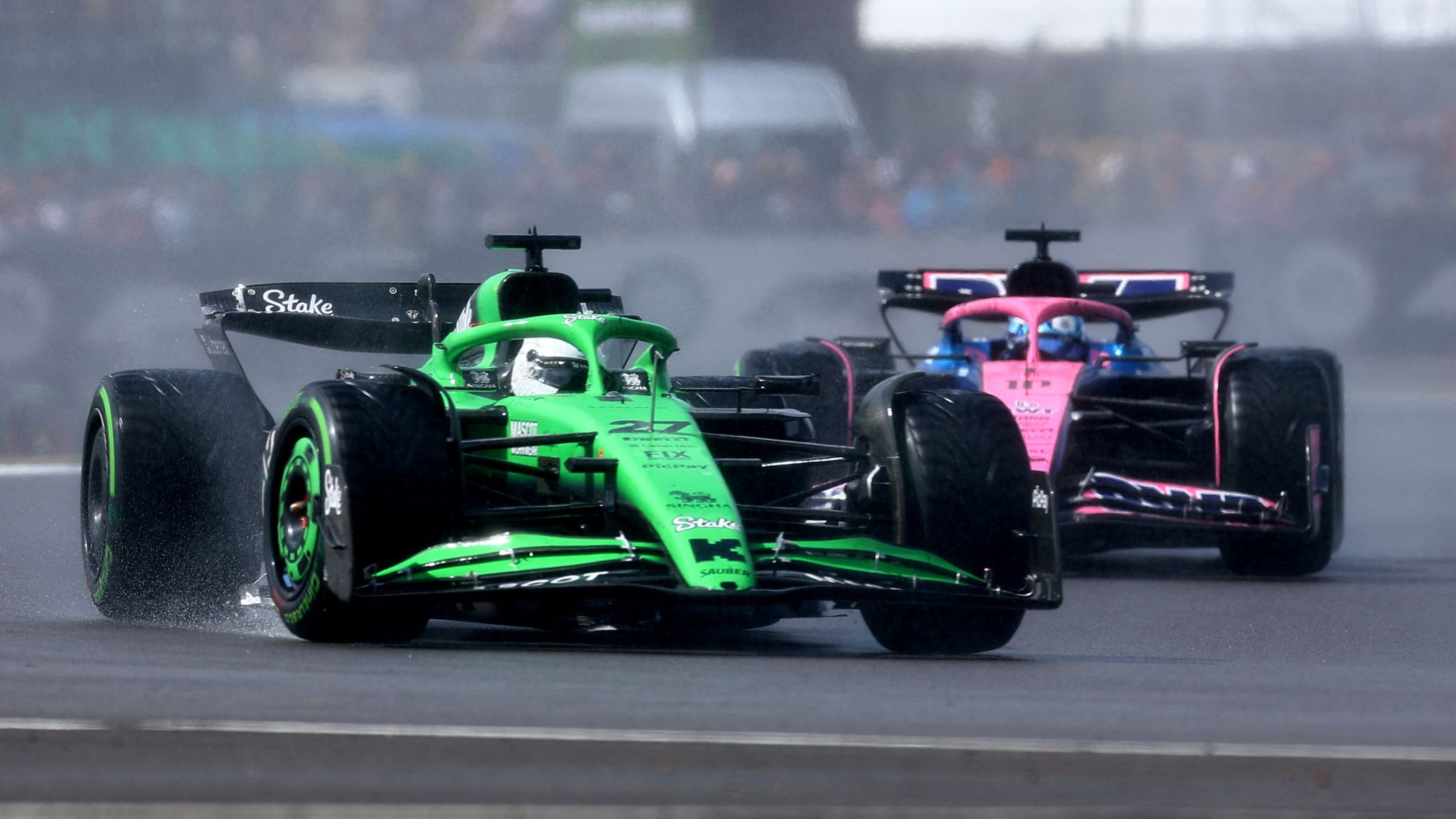
Middle East Conflict Disrupts Key Races
The ongoing war involving Iran has directly impacted Formula One’s 2024 calendar, with the Bahrain and Saudi Arabian Grands Prix, initially scheduled for April, canceled due to significant security concerns. The threat of retaliatory attacks by Iran, following military actions by the US and Israel, rendered the region unsafe for international sporting events.
While a tentative ceasefire currently holds, the fragile peace raises doubts about hosting the remaining Middle Eastern races, specifically the Qatar Grand Prix on 29 November and the season finale in Abu Dhabi on 6 December. Cancellation of these events would truncate the championship by four races out of the planned 24, marking a substantial disruption.
This interruption has already inflicted financial losses reaching tens of millions of pounds. Race circuits face diminished revenue, while broadcasters lose valuable airtime, affecting the sport’s global reach and commercial ecosystem.
Silverstone Steps Up with Contingency Plan
In response to the Middle East uncertainty, Silverstone Circuit—the heartland of British motorsport—has proactively offered to host an additional race later in the season. This proposal aims to buffer the potential loss of marquee events and maintain the integrity of the championship.
Stuart Pringle, CEO of Silverstone, recalled the circuit’s pivotal role during the COVID-19 pandemic when it hosted a second race in 2020 to keep the sport alive. Speaking to Sky News, Pringle emphasized Silverstone’s readiness to act swiftly if needed. “We have no spare windows, but everything is movable in a crisis,” he said.
Despite the offer, Formula One’s management remains hopeful that the situation in the Middle East will stabilize. Liam Parker, F1’s Chief Corporate Relations Officer, described the geopolitical landscape as “fluid and dynamic,” making long-term planning challenging. Still, he expressed cautious optimism about returning to the region for the scheduled events later in the year.
Operational and Economic Challenges Amid War and Transition
Beyond geopolitical risks, the war has triggered a surge in global oil prices, directly impacting Formula One’s operational costs. The sport, which relies heavily on fuel for cars and logistics—from transporting teams and equipment by air, sea, and road—faces increased expenses. Parker acknowledged these “headaches and complexities” but affirmed that F1 is effectively navigating through them.
Simultaneously, Formula One is undergoing a technological transformation. The 2024 season introduced hybrid engines with an equal split of electric and combustion power, aiming to balance performance with sustainability. However, this transition has sparked safety concerns, highlighted by incidents such as Haas driver Oliver Bearman’s crash at the Japanese Grand Prix, caused by significant speed differentials between hybrid cars.
The unprecedented mid-season pause has provided an opportunity not only to address on-track safety regulations but also to advance F1’s political and logistical agendas.
Post-Brexit Logistics and Government Engagement
Formula One’s British base, which houses 10 of the 11 teams, is a powerhouse contributing approximately £12 billion annually to the UK economy. However, Brexit has complicated the seamless movement of equipment and personnel between the UK and Europe, creating logistical bottlenecks that threaten the sport’s efficiency.
During a visit to Silverstone and the Aston Martin headquarters, Business Secretary Peter Kyle engaged directly with F1 leadership to discuss reducing post-Brexit trade and travel frictions. Kyle highlighted ongoing diplomatic efforts with Brussels to ease cross-border business processes and foster stronger economic ties despite political divides.
Silverstone’s Stuart Pringle emphasized the need for “as little friction as possible,” lamenting that pre-Brexit operations allowed for tighter, more efficient scheduling critical to F1’s high-stakes environment. Meanwhile, Parker, who has government advisory experience, stressed the importance of “frictionless movement” to maintain F1’s competitive and commercial edge.
The British government recognizes Formula One as a “glamour industry” that supports thousands of highly skilled jobs and positions the UK as a global motorsport innovation hub, often likened to a “Silicon Valley” for automotive technology.

What This Means for Formula One’s Future
Formula One’s war-enforced break has exposed vulnerabilities but also highlighted the sport’s resilience and adaptability. The readiness of Silverstone to expand its calendar reflects a broader commitment to safeguarding the championship’s continuity against external shocks.
Moreover, the crisis underscores ongoing challenges from geopolitical instability, energy market volatility, and the complexities of post-Brexit trade. Navigating these hurdles requires close collaboration between F1 management, governments, and local stakeholders.
As the season progresses, fans and industry insiders alike will watch closely to see if the Middle Eastern races proceed as planned or if Silverstone’s contingency will come into play. Regardless, Formula One’s ability to innovate both on and off the track remains a testament to its enduring global appeal and economic significance.