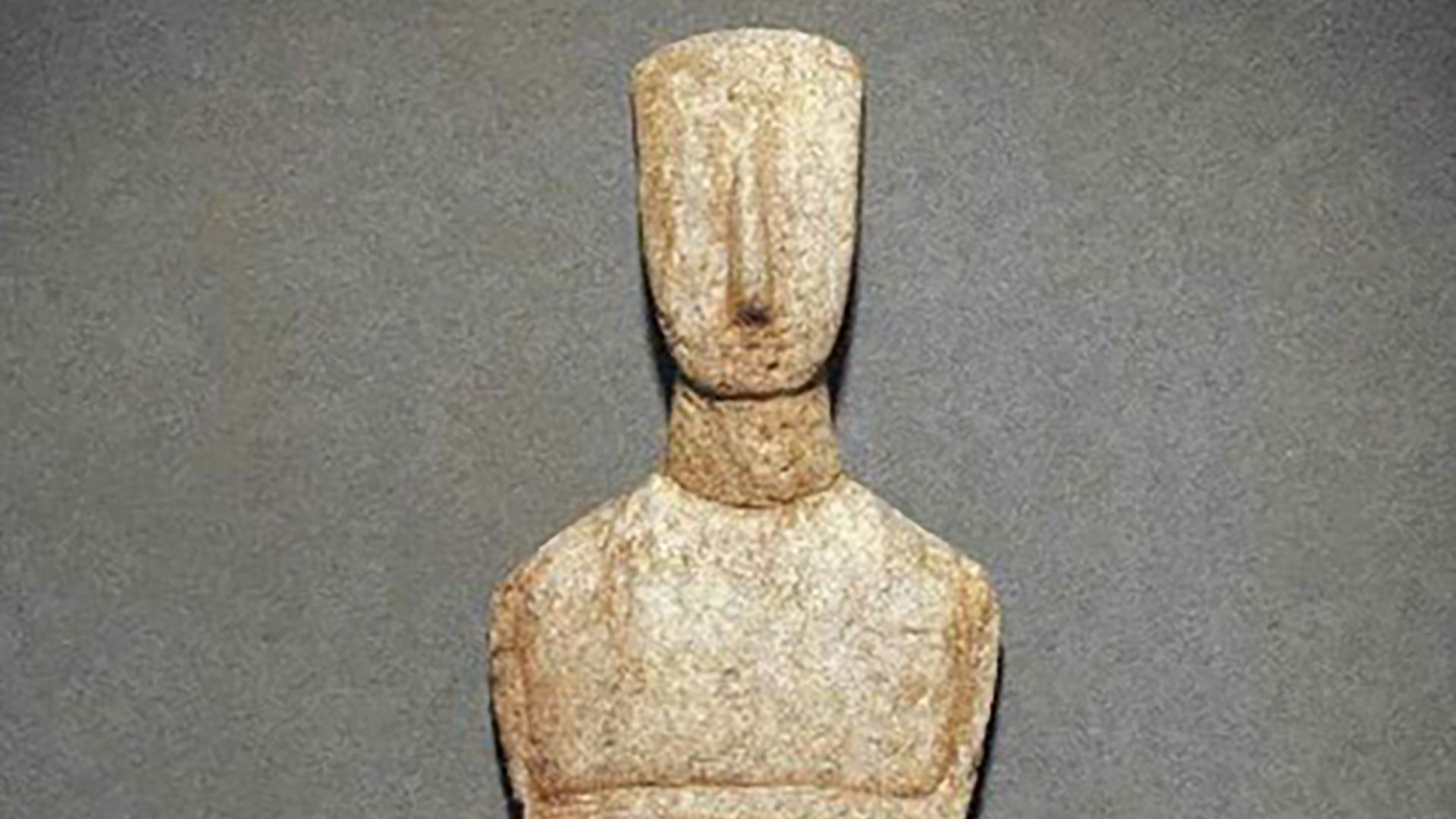
An audacious fraudster’s scheme to sell counterfeit ancient statues to the prestigious auction house Sotheby’s unraveled when investigators discovered the fake provenance documents were produced using modern printing techniques. This high-profile case highlights the increasing sophistication of art forgery and the rigorous scrutiny applied by major auction houses to protect cultural heritage and their clients.
The Attempted Fraud: Selling Bogus Ancient Artifacts
The individual behind the scam attempted to pass off statues as genuine ancient artifacts, backed by forged paperwork designed to convince Sotheby’s experts and potential buyers of their authenticity. These documents typically include detailed provenance—a record tracing the artwork’s historical ownership—and certification from experts confirming the statues’ origins.
However, the fraudster’s efforts were quickly undermined when specialists at Sotheby’s examined the paperwork more closely. They identified inconsistencies in the materials and printing methods used, which did not align with the era the documents purported to originate from. Modern printing technology, such as laser or inkjet printing, left telltale signs that exposed the documents as fakes.
This discovery triggered a thorough investigation, ultimately leading to the fraudster’s arrest and prosecution. The case underscores the vital role of expert analysis and forensic techniques in authenticating artworks, even those accompanied by seemingly legitimate documentation.
Why Forged Provenance Documents Threaten the Art World
Provenance documentation serves as the backbone of trust in the art market. It not only confirms an artifact’s authenticity but also establishes its legal ownership history, which is crucial for both buyers and sellers. Without reliable provenance, artworks become vulnerable to disputes, theft claims, and legal complications.
Forgeries of both art and their accompanying paperwork have surged in recent years, fueled by the soaring value of antiquities and rare artifacts. Criminals exploit gaps in documentation and the allure of rare pieces to defraud collectors and auction houses alike.
In this context, Sotheby’s and other leading auction houses have invested heavily in advanced authentication protocols. These include chemical and material analysis, digital forensic examinations, and collaboration with archaeologists and historians. The goal is to prevent fake artifacts from entering the market, preserving both cultural history and investor confidence.
What This Means for Collectors and the Art Industry
This case sends a clear message to fraudsters attempting to infiltrate the art market with counterfeit items: modern investigative methods can and will expose deception. For collectors and investors, it reinforces the importance of due diligence when acquiring ancient artworks. Buyers must seek comprehensive provenance and independent verifications before committing significant funds.
Moreover, the sentencing of the individual responsible acts as a deterrent against art fraud, emphasizing that legal systems are prepared to prosecute those who attempt to undermine the integrity of cultural heritage markets. The consequences extend beyond financial loss; they threaten the preservation of historical artifacts and the reputation of legitimate sellers.
As the art world continues to grapple with sophisticated forgeries, cases like this highlight the need for ongoing vigilance, technological innovation, and collaboration among experts. By strengthening these defenses, the industry can better safeguard priceless artworks for future generations.
Looking ahead, the art community must remain proactive in combating fraud. Enhanced scrutiny of provenance, combined with cutting-edge forensic tools, will be essential in preserving trust and authenticity in the global art market.