Tragedy struck near the western German city of Trier when a small jet crashed in flames, claiming the lives of four individuals on board. The devastating incident unfolded as the aircraft came down near an airfield, igniting a fire that quickly engulfed the plane and damaged nearby infrastructure. Emergency responders rushed to the scene to contain the blaze and investigate the cause of the accident.
The Crash: What Happened Near Trier-Föhren Airfield
The aircraft involved in the crash was a Cessna Citation business jet, a type of small private jet commonly used for corporate travel. It was carrying a total of four people: two pilots and two passengers. Tragically, all four individuals are believed to have perished in the crash.
The jet was en route from Shoreham Airport in England when it went down near the Trier-Föhren airfield, close to a landfill site. As the plane descended uncontrollably, it struck and damaged an electricity pylon, which could have potentially further complicated rescue efforts or posed additional hazards to the local power grid.
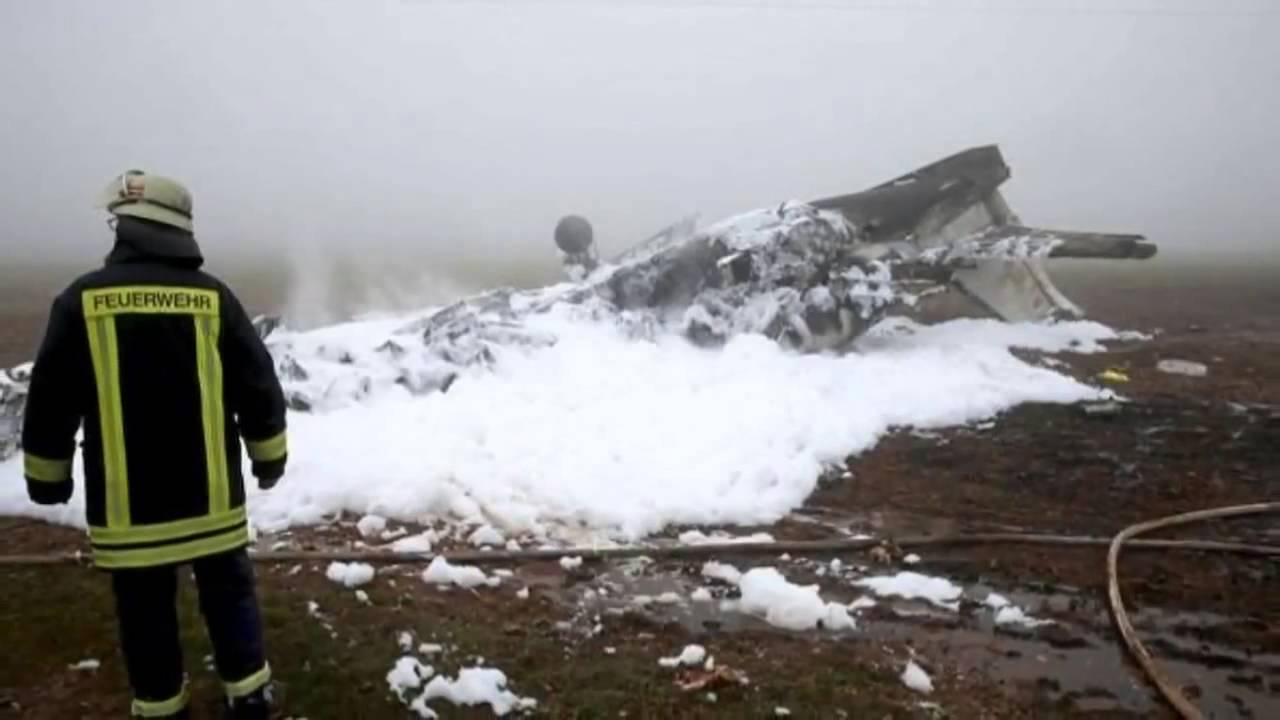
By the time firefighters arrived, the aircraft was fully ablaze. They deployed foam to suppress the flames, and images from the scene showed the smothered wreckage covered in firefighting foam. Despite the rapid response, the severity of the fire and impact left no survivors.
A spokesperson for the Trier-Föhren airfield confirmed the route and the nationalities involved, stating that those on board were German citizens. However, the identities of the victims have not been publicly released out of respect for the families and ongoing investigations.

Emergency Response and Ongoing Investigations
Authorities were alerted to the crash by a member of the public who witnessed the incident and promptly called emergency services. Police and firefighters arrived quickly, working to extinguish the fire and secure the crash site. The damaged electricity pylon added complexity to the emergency response, but no further casualties on the ground have been reported.
Investigators and aviation experts are en route to the scene to determine the precise cause of the crash. At this early stage, the reasons behind the tragedy remain unknown. Factors such as mechanical failure, weather conditions, pilot error, or other issues are often examined in such investigations, but no conclusions have been drawn yet.
The German police and aviation safety authorities will conduct a thorough examination of the wreckage and review flight data to reconstruct the events leading up to the crash. This process is critical in understanding what went wrong and in shaping future safety measures.
Why This Incident Matters
Small business jets like the Cessna Citation are widely used for private and corporate travel across Europe and worldwide. While generally considered safe, any aircraft accident raises serious concerns about aviation safety standards, pilot training, and emergency preparedness.
The loss of four lives in this crash underscores the risk inherent in aviation and the importance of rigorous safety protocols. Furthermore, the incident’s proximity to populated areas and critical infrastructure, such as the electricity pylon, highlights the potential dangers that aviation accidents pose beyond just those on board.
The Foreign Office has acknowledged the reports and is actively monitoring the situation, reflecting the international dimension of such incidents, especially when flights cross national borders.
Communities near airports and airfields often live with the awareness of such risks, and this accident will likely prompt renewed discussions on aviation safety oversight in the region. The investigation findings will be crucial in preventing similar tragedies in the future.
Looking Ahead: Lessons and Precautions
As authorities continue their investigation, the focus remains on providing answers to the families affected and the wider public. Understanding the cause of this crash will contribute to enhancing aviation safety measures, potentially influencing pilot training, aircraft maintenance, and emergency response strategies.
While the air travel industry is statistically one of the safest modes of transportation, each incident serves as a sobering reminder of the constant vigilance required to maintain and improve safety standards.
In the coming weeks, updates from investigators will shed more light on this tragic event near Trier. Meanwhile, the aviation community and regulators will undoubtedly review this accident to learn vital lessons and honor the memory of those who lost their lives.