

Global deforestation rates showed a promising slowdown in 2025, signaling that intensified conservation efforts are beginning to bear fruit. However, experts warn that the looming threat of El Niño-triggered wildfires could quickly undermine this progress, particularly across vulnerable tropical rainforests.
Encouraging Decline in Forest Loss
Recent data reveal a significant drop in the destruction of old-growth tropical forests worldwide. This positive trend is largely attributed to robust environmental policies and improved enforcement in key forest-rich countries such as Brazil, Colombia, and Malaysia. These nations have implemented stronger protections that curb illegal logging, land clearance, and other drivers of deforestation.
Elizabeth Goldman, co-director of Global Forest Watch at the World Resources Institute, emphasized the importance of political commitment. She stated, “It’s incredibly encouraging to see the decline in 2025. This highlights how when we have political will and leaders determined to protect forests, we can see real, measurable results in the data.”
Brazil, which hosts the planet’s largest rainforest, stands out as a prime example. Efforts there to tighten environmental regulations and strengthen law enforcement have contributed to a marked decrease in forest loss. When excluding areas affected by fires, Brazil lost approximately 5,700 square kilometers (2,200 square miles) of old-growth tropical forest last year—the lowest annual loss recorded since monitoring began in 2002.
The Vital Role of Tropical Rainforests
Tropical rainforests are ecological powerhouses, harboring millions of species and serving as critical carbon sinks. Healthy rainforests absorb vast quantities of carbon dioxide, a greenhouse gas that drives global warming, thereby helping to regulate the Earth’s climate. Their preservation is essential not only for biodiversity but also for mitigating climate change impacts.

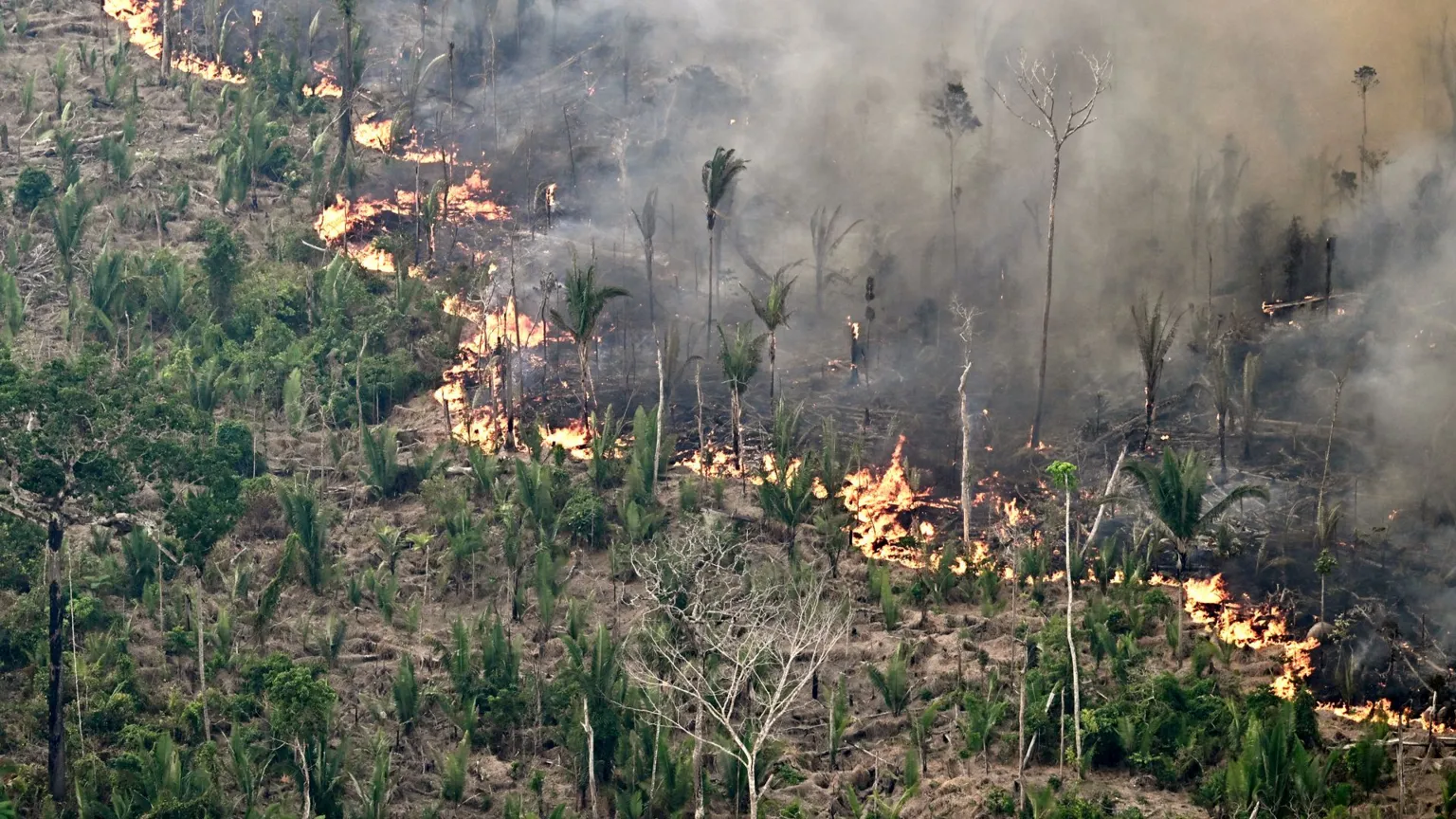
Despite their importance, these forests have faced relentless pressure for decades. Large swaths have been cleared deliberately to make way for agriculture, cattle ranching, and logging operations. Climate change has compounded these threats, altering rainfall patterns and increasing temperatures, which create conditions that facilitate the spread of large and intense wildfires.
El Niño: A Looming Threat to Forest Recovery
While the slowdown in forest loss is a hopeful sign, scientists caution that the El Niño weather phenomenon threatens to reverse these gains. El Niño events typically bring hotter, drier conditions to tropical regions, making forests more susceptible to wildfires. These fires can wipe out vast areas of forest in a short time, releasing massive amounts of carbon back into the atmosphere and devastating ecosystems.
Given the increasing frequency and intensity of El Niño episodes linked to climate change, the risk of forest fires is growing. This presents a complex challenge for conservation efforts, demanding not only continued political commitment but also enhanced fire management strategies and resilience-building in forest landscapes.
What This Means for the Future
The recent decline in global forest loss illustrates that progress is achievable when governments prioritize forest protection and enforce environmental laws. However, sustaining this trajectory requires vigilance and adaptation, particularly in the face of climate-driven threats like El Niño-induced fires.
Protecting tropical rainforests is a crucial component of the global climate strategy. Their role in carbon sequestration and biodiversity conservation makes them invaluable assets in the fight against climate change. The 2025 data serve as a reminder that political will and effective policy can produce tangible results—but also that the battle to safeguard these ecosystems is far from over.
Continued monitoring, international cooperation, and investment in forest management will be vital to ensure that recent gains are not lost. As the planet faces escalating climate risks, the resilience of tropical forests will be a key indicator of our capacity to preserve the natural systems that sustain life on Earth.