In an era where artificial intelligence increasingly permeates creative and professional industries, a growing global movement is seeking to establish a clear, trusted label certifying “human-made” products and services. This surge reflects widespread concerns about AI-driven automation displacing human labor and creativity, fueling demand for transparency in what consumers buy and consume.
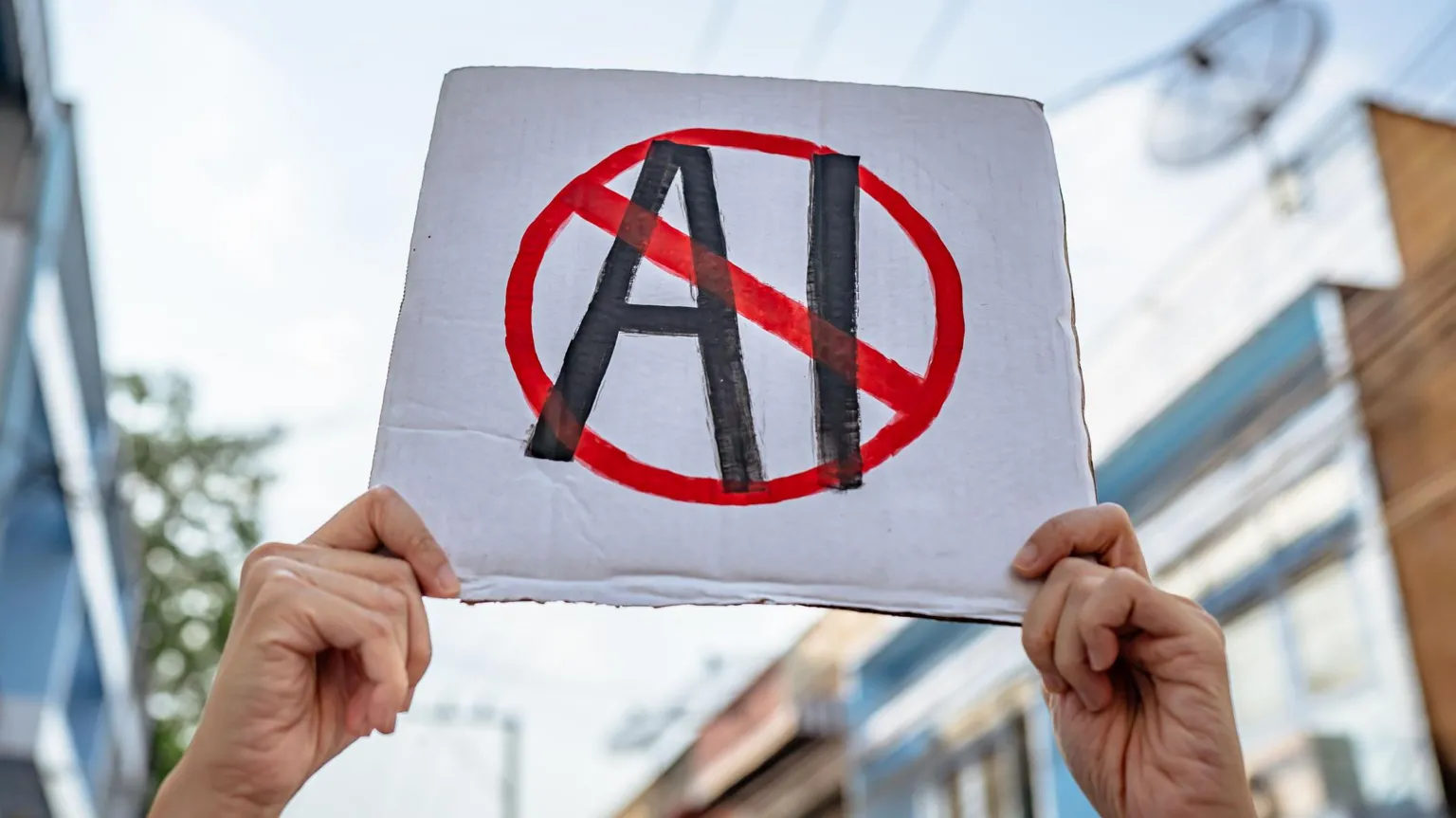
The Rise of AI-Free Certification Labels
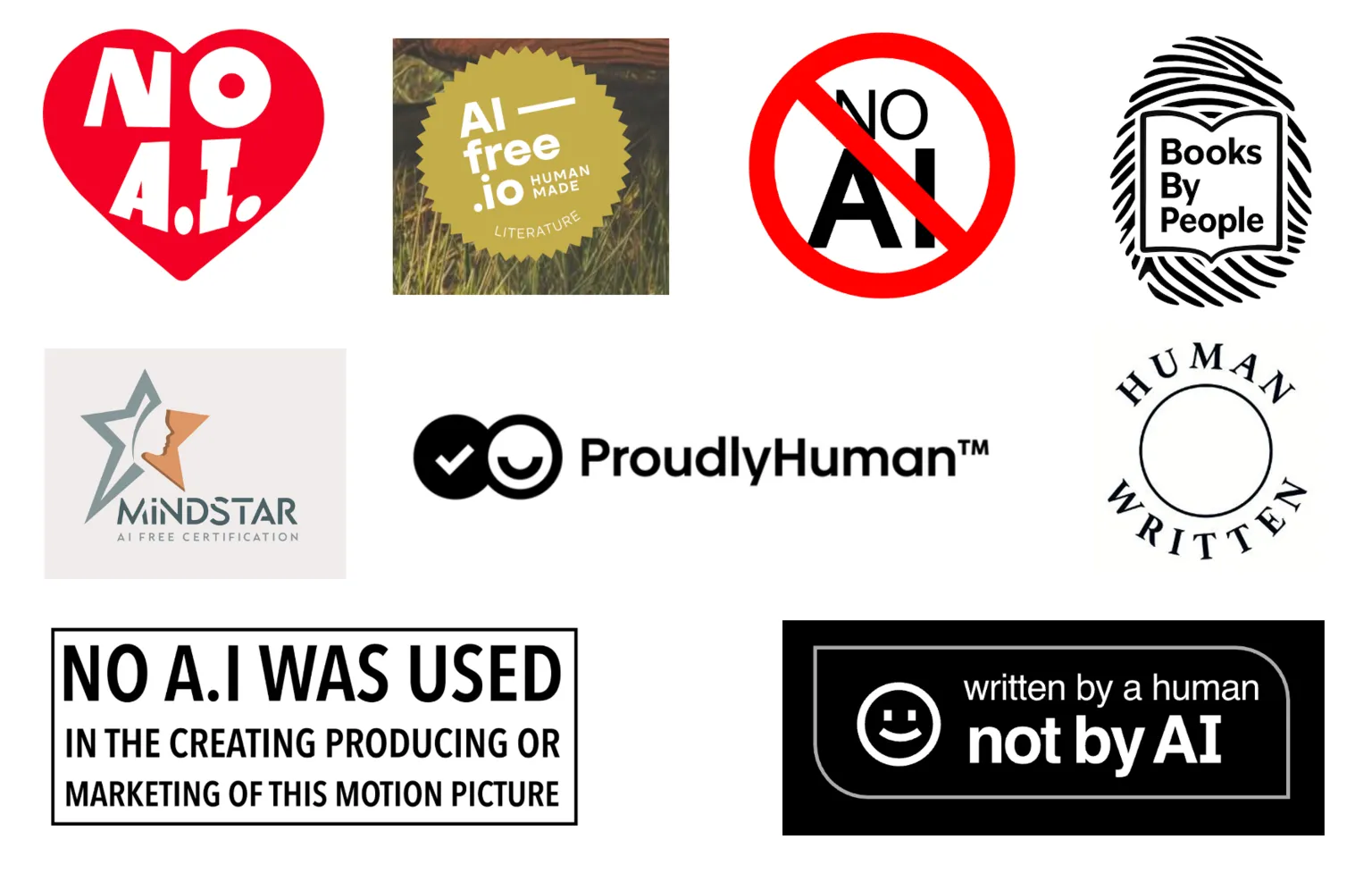
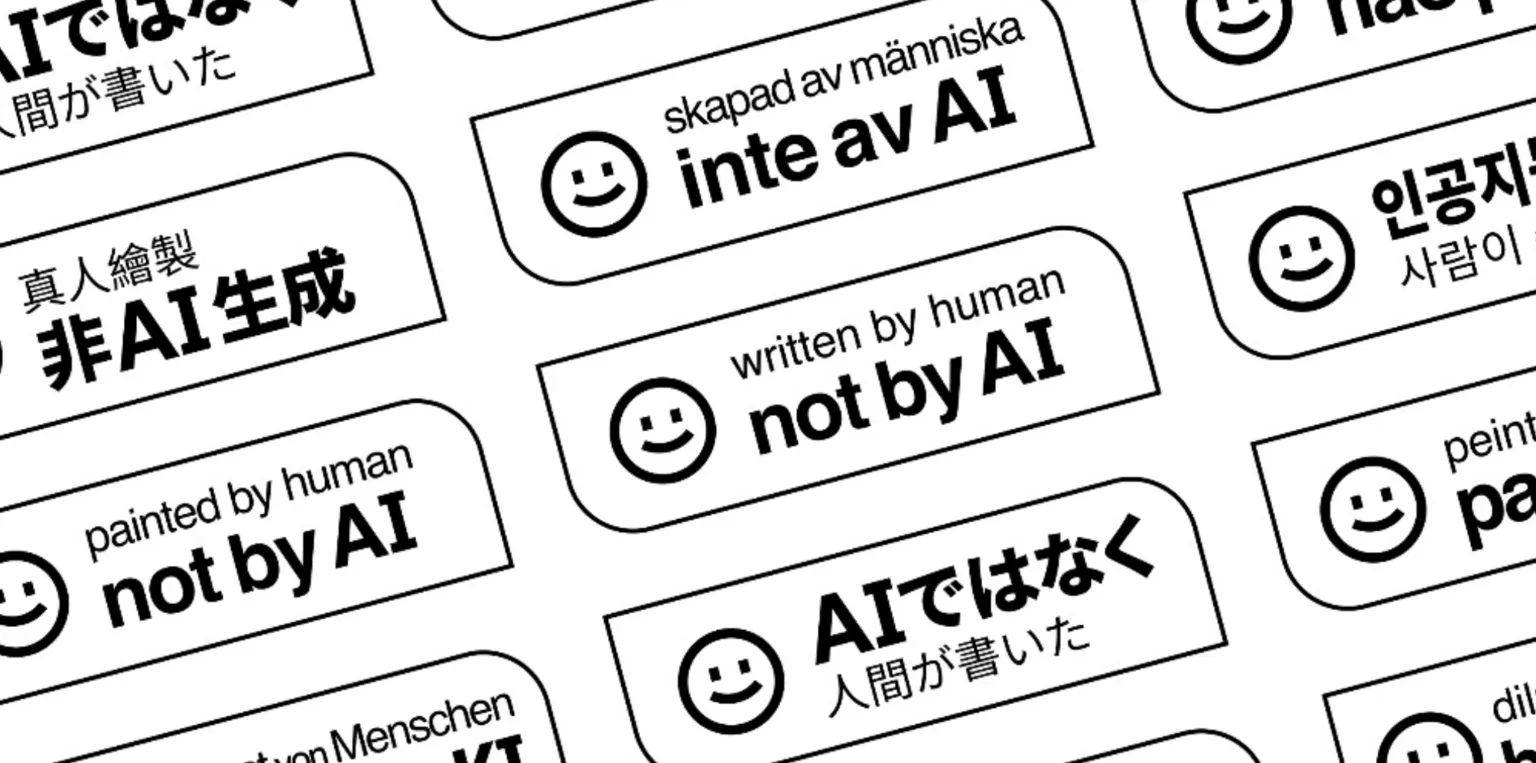
Across films, books, marketing campaigns, and websites, terms like “Proudly Human,” “Human-made,” “No A.I,” and “AI-free” are emerging as badges of authenticity. These labels aim to reassure consumers that a human – not an algorithm – crafted the product or service. However, the blossoming of multiple competing initiatives worldwide has created confusion rather than clarity.
BBC News has identified at least eight different certification projects from companies and non-profits based in the UK, Australia, and the US, all vying to become the global standard akin to the well-known Fair Trade logo for ethically made goods. Yet, experts warn that without a unified definition of what “AI-free” truly entails, consumers risk being misled or overwhelmed by inconsistent messaging.
“AI is creating significant disruption and competing definitions of what is ‘human made’ are confusing consumers,” explains Dr Amna Khan, a consumer expert at Manchester Metropolitan University. “A universal definition is essential to build trust, clarification, and confidence.”
How Certification Systems Differ
Certification programs vary widely in their approach and rigor. Some platforms, such as no-ai-icon.com, ai-free.io, and notbyai.fyi, offer downloadable badges either free or for a fee, without thorough verification. These labels rely largely on self-declaration, which critics argue undermines credibility.
Conversely, other organizations like aifreecert enforce stricter auditing processes. These involve payments and professional vetting by analysts using specialized AI-detection software to verify whether AI tools contributed to the work.
AI Research Scientist Sasha Luccioni highlights the challenge: “AI is now so ubiquitous and integrated into platforms and services that it’s truly complicated to establish what ‘AI free’ means. AI exists on a spectrum, so we need more comprehensive certification systems rather than a simple binary of AI or AI-free.”
Generative AI: The Defining Boundary?
Some advocates propose limiting “AI-free” status to exclude generative AI—tools that create text, images, music, or video in response to human prompts. This approach is gaining traction in film and other creative industries.
For instance, the 2024 Hugh Grant thriller Heretic included a disclaimer in its closing credits stating: “No generative AI was used in the making of this film.” Film distributor The Mise en scène Company has adopted a “No AI was used” stamp on its latest film poster, emphasizing traditional, individual human authorship in writing, directing, and editing.
CEO Paul Yates explains, “We support the AI industry and think it’s an exciting time, but AI content has created an economic premium on human-made content, and we want to lean into that.”
Why the Pushback Matters: AI’s Disruption of Creativity and Work
The arts and creative industries have become epicenters for AI disruption. Entire books, films, and music projects can now be generated rapidly and inexpensively with AI, challenging traditional workflows and raising questions about originality and authorship.
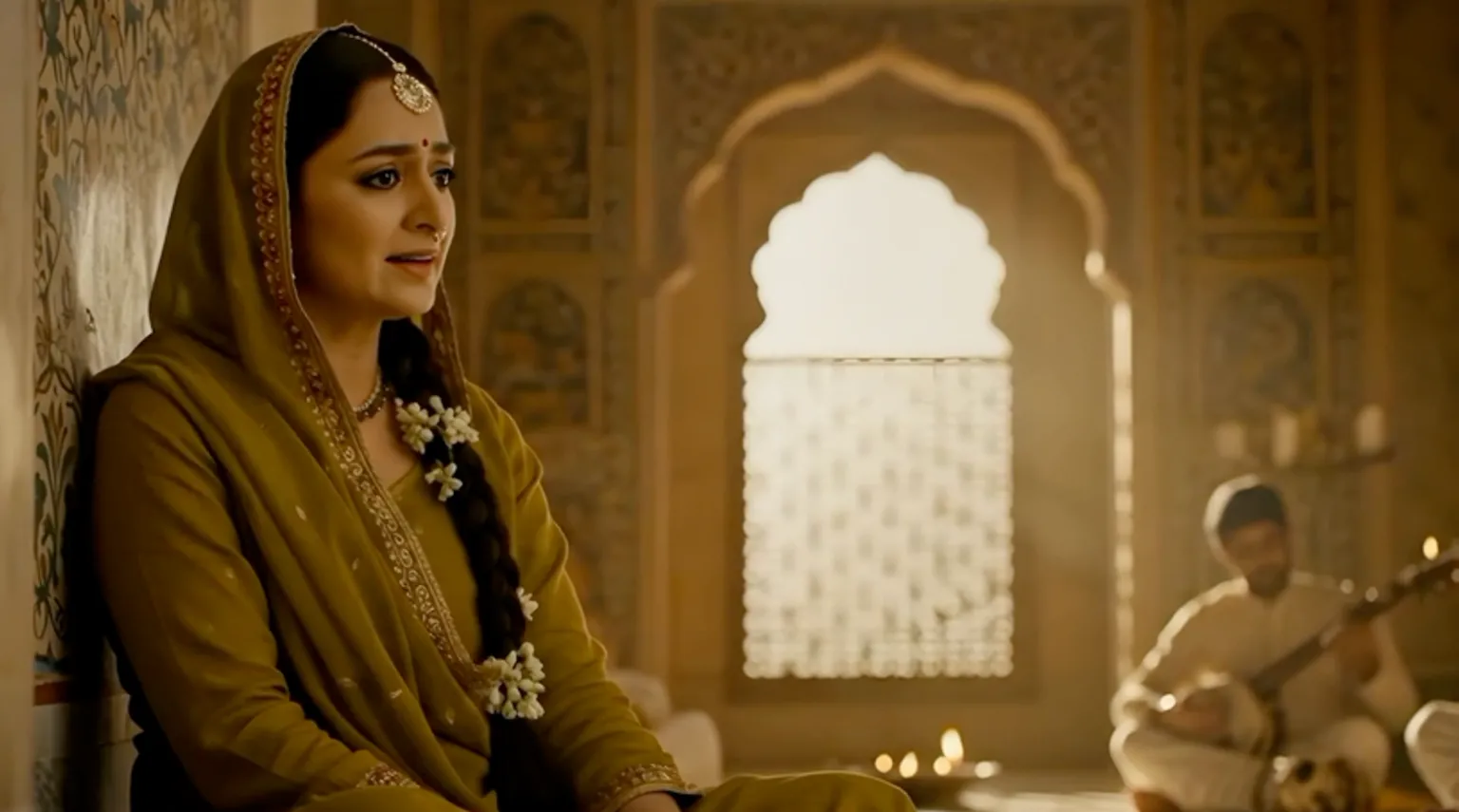
Bollywood studio Intelliflicks openly markets films made entirely with AI, signaling a new frontier in production. Yet sometimes consumers remain unaware of AI’s role, as with the viral virtual band Velvet Sundown, which was later revealed to be fully AI-generated.
In publishing, major houses like Faber and Faber have introduced “Human Written” stamps on certain books. Author Sarah Hall requested this for her novel Helm and criticized AI training data practices as “creative larceny at scale.” However, Faber has not detailed the auditing process behind their label.
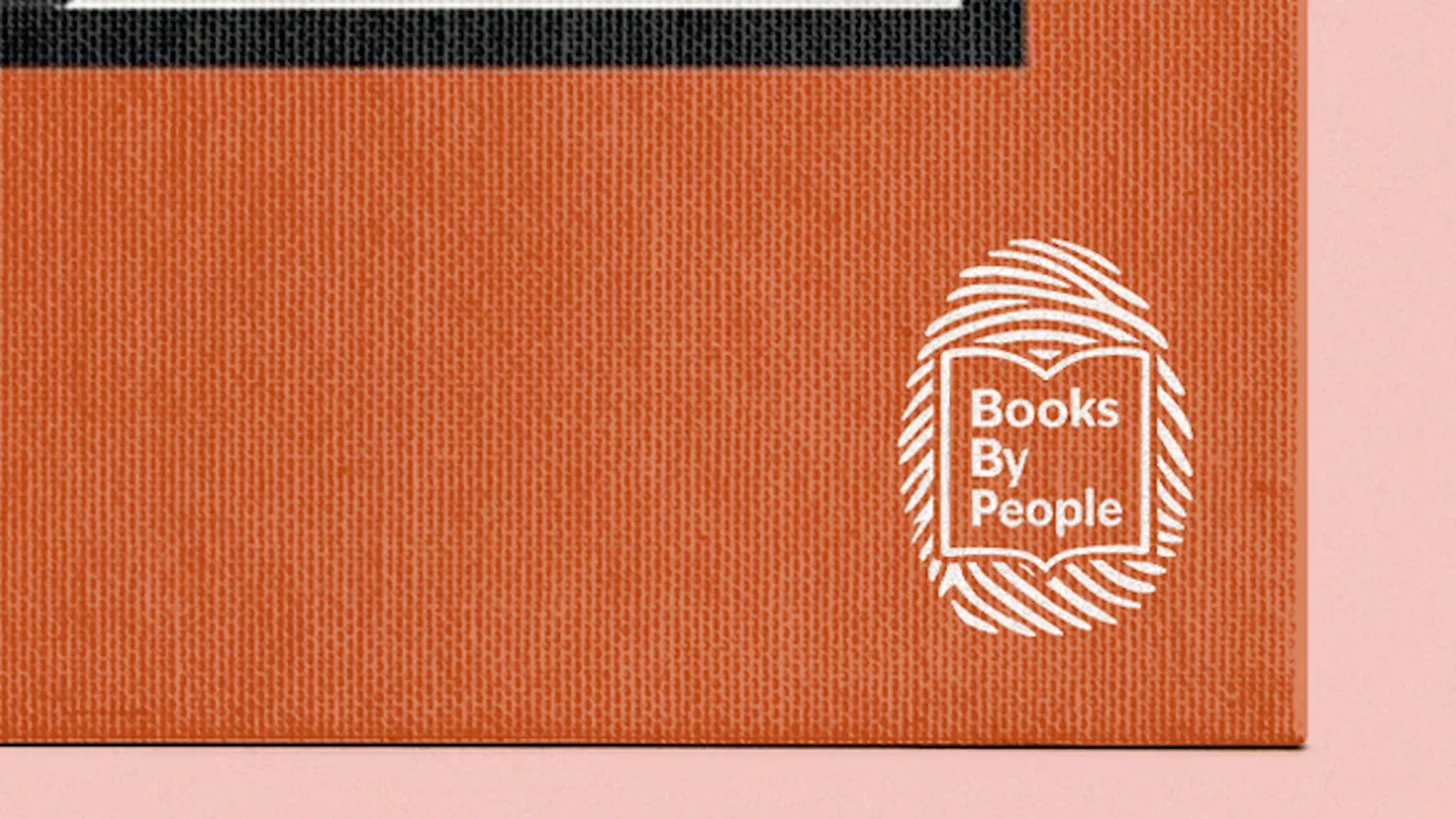
UK startup Books by People advocates for rigorous, transparent standards. Their certification requires publishers to complete detailed questionnaires on authorship and conduct ongoing AI detection checks. Co-founder Esme Dennys notes, “Publishers are grappling with a new landscape where books can be produced in minutes rather than months or years, and readers can no longer be sure if a book reflects a human experience or machine imitation.”
Similarly, Australian company Proudly Human applies even more stringent audits, verifying human authorship at multiple publication stages, including manuscript revisions. The company plans to expand beyond books into music, photography, film, and animation. CEO Alan Finkel emphasizes, “Self-certification is not good enough; we have a full verification process to ensure truly human-originated material.”
What This Means for Consumers and Industries
The proliferation of AI-generated work and the competing “human-made” labels pose a significant challenge for consumers seeking authenticity. Without standardized, transparent certification, shoppers risk confusion and mistrust, while creators who rely on genuine human effort may struggle to distinguish their work.
Establishing a universally accepted “human-made” certification could foster consumer confidence, encourage ethical creative practices, and help industries navigate the complex intersection of technology and artistry.
As AI continues to evolve and integrate into everyday tools and creative processes, the debate over what qualifies as “human-made” will intensify. Clear, credible standards will be essential to maintain the value and integrity of human creativity in a digital age.