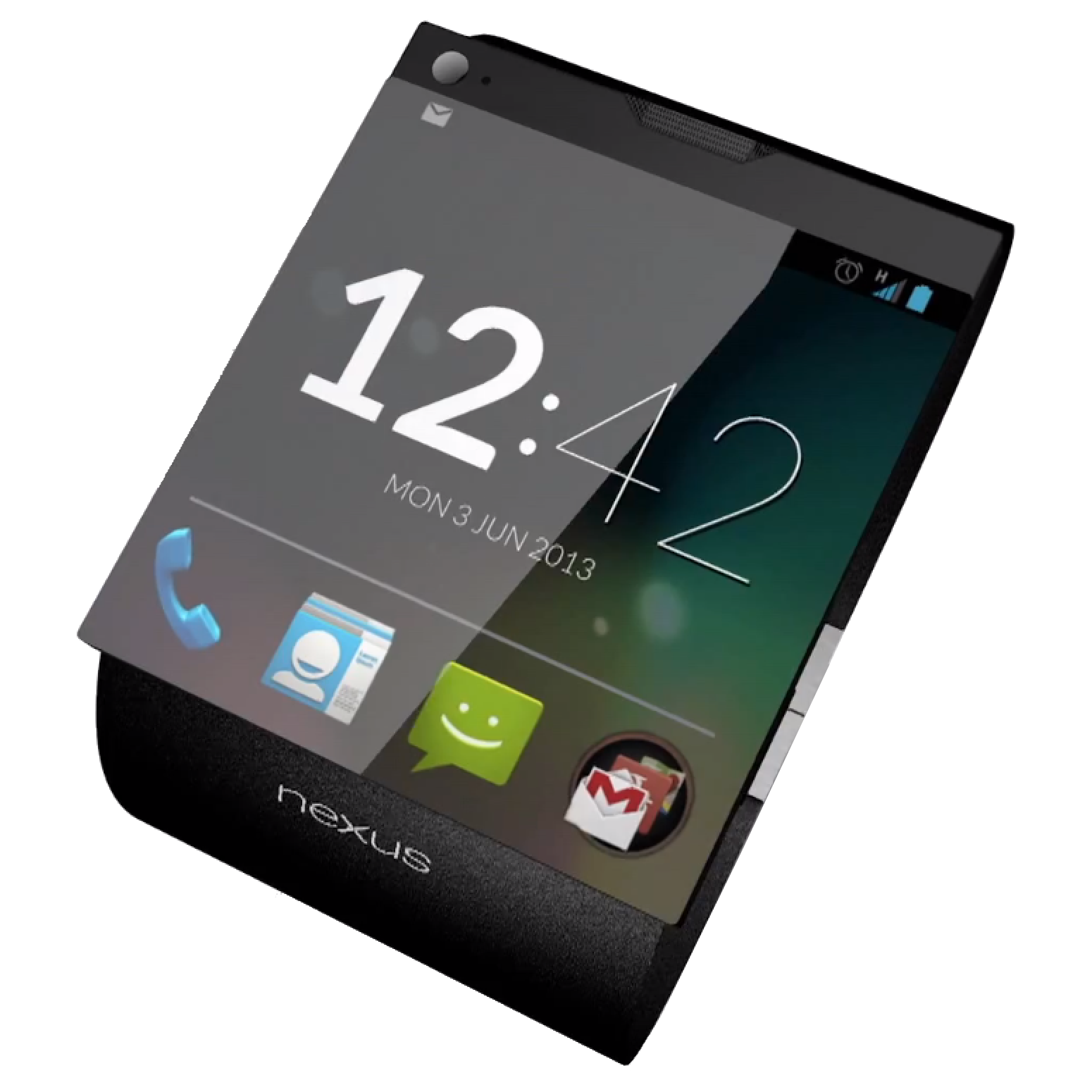
The wearable technology landscape is gearing up for a significant development as Google prepares to unveil its first Nexus smartwatch. Building on the momentum of their Android ecosystem, Google is set to make a bold entrance into the smartwatch market, signaling a new chapter for wearable innovation. This device aims to seamlessly integrate with Android smartphones and offer a robust platform for developers and users alike.
What We Know About the Google Nexus Smartwatch
At the heart of this new venture is the collaboration between Google and LG, the manufacturer reportedly responsible for producing the Nexus smartwatch. While official details remain sparse, credible leaks from tech insider @evleaks have revealed key specifications that provide a glimpse into the device’s capabilities.
The Nexus smartwatch will sport a 1.65-inch IPS LCD display, delivering a crisp resolution of 280 by 280 pixels. This screen size and resolution balance readability with battery efficiency, catering to the demands of a wearable device that users will glance at frequently throughout the day. The choice of an IPS LCD panel suggests Google aims for vibrant colors and wide viewing angles, important for a device worn on the wrist.
Under the hood, the watch is expected to include 512MB of RAM, which, while modest by smartphone standards, is sufficient for the streamlined applications typical of wearable devices. The processor details are not finalized, as Google and LG continue to deliberate the best chipset to power this smartwatch, ensuring optimal performance and battery life. This decision is crucial since the processor must efficiently handle not only the operating system but also various background sensors and connectivity features.

The Role of the Android SDK for Wearables
Google’s strategic push into wearables goes beyond hardware. The company recently announced the launch of a new Android Software Development Kit (SDK) tailored specifically for wearable devices. This SDK is designed to empower developers to create innovative applications and experiences optimized for smaller screens and the unique interaction patterns of wearables.
The timing of this SDK release is critical. Google plans to roll it out within weeks from the announcement, giving developers ample time to build and refine apps ahead of the Nexus smartwatch’s anticipated launch. The SDK includes tools and frameworks to simplify the development process, enabling seamless integration with Android smartphones and access to sensors such as heart rate monitors, accelerometers, and GPS modules.
Encouraging an Ecosystem
By releasing this SDK, Google signals its intent to foster a vibrant ecosystem around its wearable platform. Developers can experiment with notifications, fitness tracking, voice commands, and contextual awareness, enhancing the watch’s utility beyond timekeeping. This approach mirrors Google’s previous successes with Android on smartphones, where a rich app ecosystem contributed to widespread adoption.
When and Where to Expect the Nexus Smartwatch
Industry speculation points to the Google I/O developer conference in June as the most likely venue for the official Nexus smartwatch announcement. Google I/O serves as the company’s premier event for unveiling new hardware and software initiatives, making it an ideal platform to showcase the smartwatch alongside the new Android wearable SDK.
Launching the device at I/O would strategically align with providing developers a couple of months’ lead time to familiarize themselves with the SDK, build applications, and optimize their offerings for the new device. This coordinated rollout aims to ensure a strong software foundation at launch, which is critical for user adoption and satisfaction in the competitive smartwatch market.
Why the Google Nexus Smartwatch Matters
The arrival of the Google Nexus smartwatch marks a pivotal moment in the evolving landscape of wearable technology. Unlike many early entrants, this device benefits from Google’s deep integration with Android, promising a more cohesive and feature-rich experience for users already embedded in the Android ecosystem.
Moreover, the partnership with LG suggests a focus on quality hardware design and manufacturing expertise, potentially addressing some of the criticisms faced by previous smartwatches related to battery life, display quality, and ergonomics.
With the introduction of a dedicated Android SDK for wearables, Google is not just releasing a device but is cultivating a platform that encourages innovation and developer engagement. This approach could accelerate the adoption of smartwatches as essential daily tools rather than niche gadgets.
As the Nexus smartwatch prepares to enter the market, it stands poised to challenge existing players by offering a compelling combination of hardware, software, and developer support. Consumers and developers alike will be watching closely to see how this device shapes the future of smart wearables.
In summary, Google’s Nexus smartwatch represents more than just a new gadget: it signifies a strategic expansion of the Android ecosystem into wearable technology, promising enhanced functionality, better integration, and a robust platform for innovation. The coming months leading up to Google I/O will be critical as details emerge and anticipation builds for what could be a defining product in the smartwatch category.