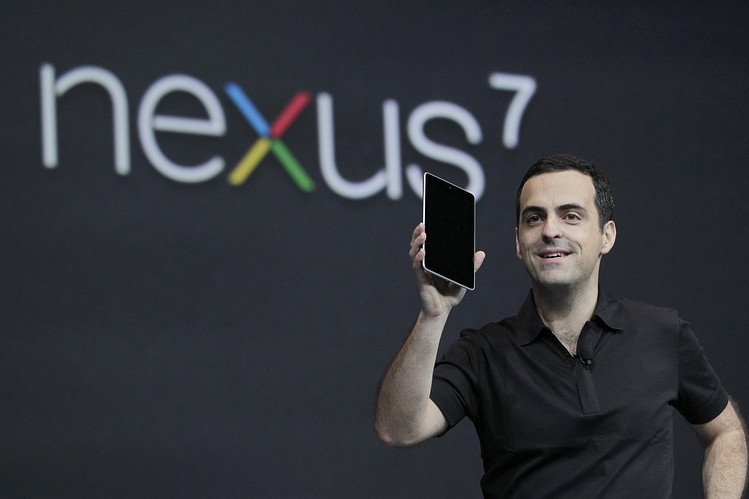
Google has entered the fiercely competitive tablet market with the launch of the Nexus 7, a device designed to challenge industry leaders and reshape consumer expectations.
” alt=”Hugo Barra unveiling Nexus 7 tablet” align=”left” width=”300″ style=”margin-right:15px; margin-bottom:15px;”>On a highly anticipated occasion, Hugo Barra, Google’s director of product management, officially unveiled the Nexus 7 tablet, signaling the company’s bold ambition to stake its claim in a market dominated by Apple and Amazon. This launch represents a strategic move by Google to expand its hardware footprint and deepen its ecosystem influence through a device tailor-made for its services.
What is the Nexus 7 and How Does It Fit Into the Tablet Market?
The Nexus 7 is a compact tablet featuring a seven-inch diagonal screen, distinguishing it from larger competitors like Apple’s iPad, which sports nearly a 10-inch display. By opting for a smaller screen size, Google targets consumers seeking portability without sacrificing performance. This size choice aligns closely with Amazon’s Kindle Fire, positioning the Nexus 7 as a direct competitor in the affordable tablet segment.
Priced at an accessible $199 (approximately £127), the Nexus 7 undercuts many premium tablets on the market while delivering a high-quality user experience. This aggressive pricing strategy aims to attract budget-conscious buyers and expand Google’s reach among casual users, students, and tech enthusiasts looking for a versatile yet affordable device.
Unlike many devices that simply run third-party operating systems, the Nexus 7 is designed to showcase the latest iteration of Google’s own Android platform, codenamed Jelly Bean. This new version of Android promises smoother performance, enhanced responsiveness, and a richer user interface, making the Nexus 7 a showcase for Google’s mobile software advancements.
Although the Nexus 7 proudly carries the Google brand, the physical hardware is manufactured by Asus, a company known for its reliable computing devices. The collaboration combines Google’s software expertise with Asus’s manufacturing prowess, aiming for a high-quality product ready for mid-July release. By partnering with Asus, Google ensures efficient production and distribution while maintaining control over the device’s design and software integration.
Integral to the Nexus 7’s appeal is its deep integration with Google Play, Google’s digital content store, which offers movies, music, games, books, and apps. This seamless connection encourages users to engage with Google’s ecosystem, enhancing the overall value proposition of the device beyond just hardware specifications.
Adding to the ecosystem momentum, Google announced that Google Play will now offer movies for sale in addition to rentals. This expansion broadens consumers’ options and demonstrates Google’s commitment to becoming a comprehensive digital entertainment provider on par with rivals like Apple’s iTunes and Amazon’s content services.
The Tablet Market Landscape and Google’s Competitive Challenge
The tablet industry in 2011 was already crowded with powerful players and rapidly evolving consumer preferences. Apple’s iPad dominated with an estimated 62% global market share, reflecting its strong brand loyalty and robust app ecosystem. Amazon held a smaller but growing 6% share, leveraging its successful Kindle Fire to appeal to budget buyers focused on media consumption.
Other notable competitors included Samsung with 9%, Barnes & Noble with 5%, and Asus with 3%, alongside a collection of smaller players making up the remaining 14%. This fragmented market presented both opportunities and challenges for Google. On one hand, the dominance of Apple and Amazon meant Google had to differentiate its offering significantly. On the other, the diverse market allowed space for a competitively priced, well-integrated device like the Nexus 7 to gain traction.
Google’s decision to emphasize the Nexus 7’s affordability, software innovation, and content ecosystem integration suggests a multifaceted strategy. It aims not just to sell hardware but to lock users into Google’s broader digital ecosystem, thereby increasing long-term engagement and revenue through content sales and app usage.
Other Industry Moves and What Lies Ahead
Google is not alone in intensifying competition in the tablet arena. Just a week prior to the Nexus 7 announcement, Microsoft Corporation revealed its own plans to enter the tablet market with the Surface. Expected to launch later in the year, the Surface tablet will run a revamped version of Windows and directly compete with Apple’s iPad, marking Microsoft’s significant push into mobile hardware.
These developments highlight an increasingly crowded and dynamic tablet market where tech giants are aggressively pursuing hardware innovations combined with software ecosystems to capture consumer interest. The Nexus 7’s mid-July launch comes at a critical time when consumers are evaluating options beyond the established leaders.
__IMAGE_PLACEHOLDER_1__
Why the Nexus 7 Matters: Impact and Future Implications
The introduction of the Nexus 7 is more than just another tablet release; it signals Google’s serious commitment to becoming a dominant player in consumer electronics. By blending competitive pricing, cutting-edge software, and strategic content partnerships, Google challenges the status quo and pressures competitors to innovate and refine their offerings.
The Nexus 7’s success could reshape consumer expectations around value and ecosystem integration, encouraging a shift toward devices that offer seamless access to digital content. For developers and content creators, it opens new avenues for engaging users on Android, potentially accelerating the growth of Google Play as a major content platform.
For consumers, the Nexus 7 offers a compelling alternative that balances affordability with functionality, making it an attractive option for those who may have previously considered only Apple or Amazon products.
Ultimately, the Nexus 7 launch underscores the rapidly evolving nature of the tablet market. As companies like Google, Amazon, Apple, and Microsoft vie for dominance, consumers stand to benefit from increased innovation and choice. The coming months will reveal how these competitive dynamics unfold and which ecosystems emerge as the most influential in shaping the future of mobile computing.