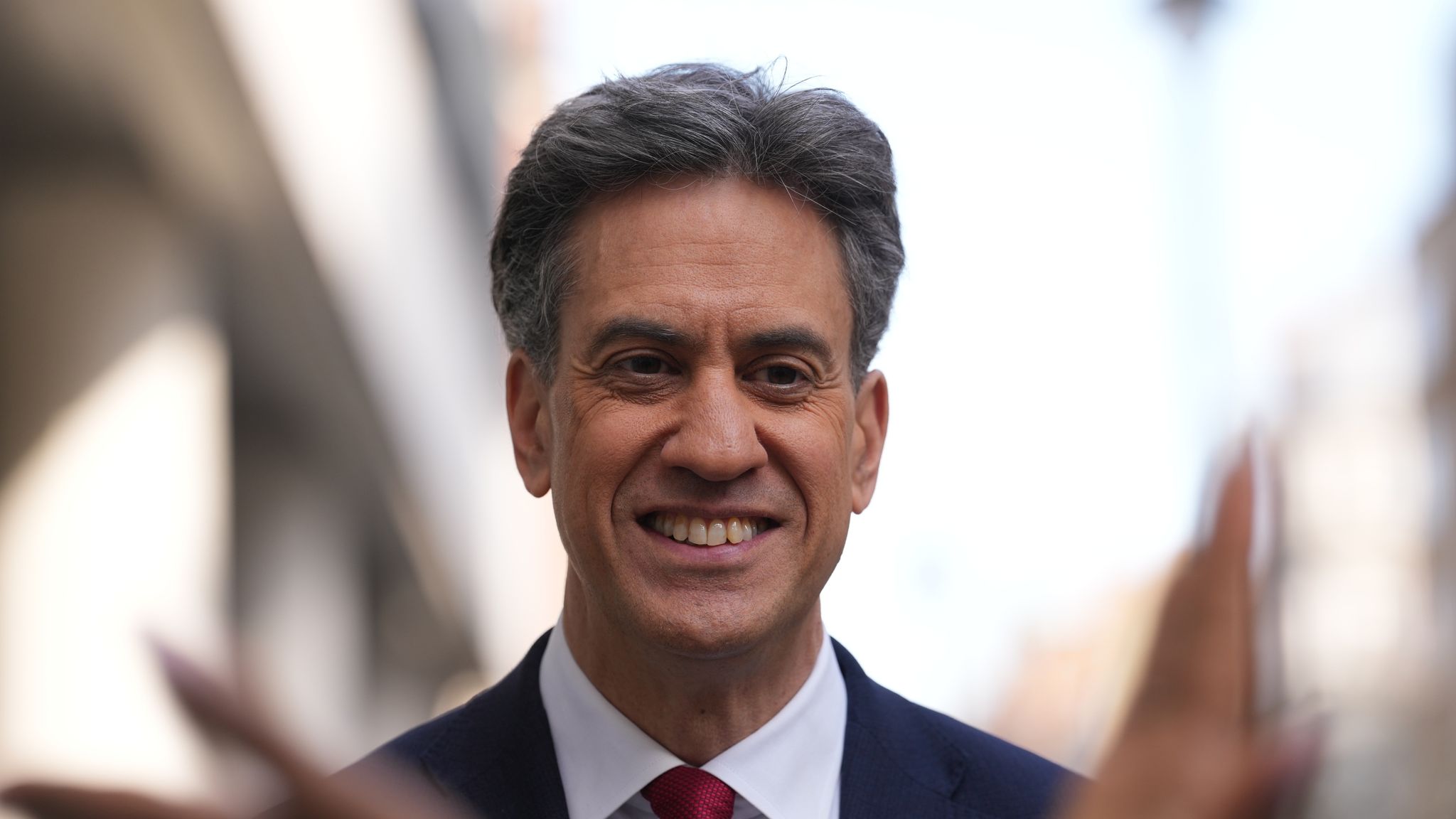
The UK government has firmly dismissed speculation that Energy Secretary Ed Miliband is poised to approve the contentious Jackdaw oil and gas field, a move that would seemingly clash with Labour’s ambitious net zero commitments. This clarification comes amid swirling reports that Miliband, a pivotal advocate for the party’s green energy agenda, might give the green light to a project previously stalled for environmental reasons.
Background: The Jackdaw Project and Environmental Controversy
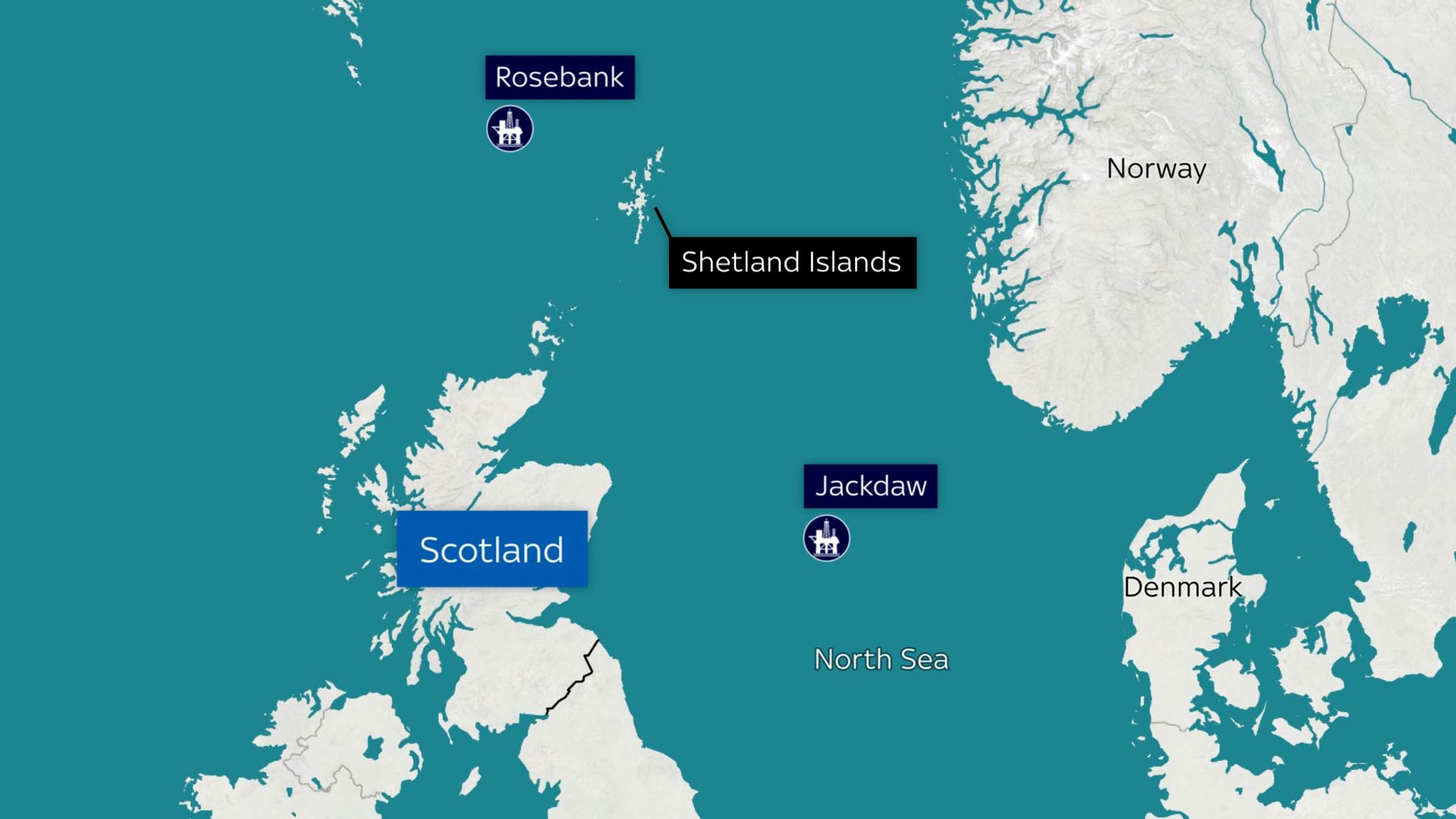
The Jackdaw field, located in the North Sea off the coast of Aberdeen, primarily contains natural gas. It was initially approved under the Conservative government but was later suspended after a court ruled that a new environmental assessment was necessary. This legal intervention halted progress on the project and raised serious questions about its environmental impact.
Alongside Jackdaw, the nearby Rosebank field near the Shetland Islands contains both oil and gas and has also become a focal point in the debate over the UK’s energy future. Both projects are significant due to their potential to contribute to domestic energy supplies, but they sharply conflict with Labour’s 2024 manifesto pledge to halt the issuance of new oil and gas exploration licenses.
Why Speculation about Approval is ‘Unfounded’
Despite media reports, the Department for Energy Security and Net Zero has stated that any claims Ed Miliband will approve Jackdaw are “unfounded.” A government spokesperson emphasized that Miliband’s decision will follow a quasi-judicial process based strictly on legal considerations, rather than political or party lines.
Labour’s official stance, as outlined in their manifesto, promises not to issue new licenses for exploring oil and gas fields. However, officials argue this policy does not explicitly cover projects like Jackdaw that already received prior consent before Labour took office. This legal nuance leaves the door open for the project’s potential approval, even as the government maintains its commitment to net zero targets.
Internal Party Divisions and the Broader Energy Debate
The question of approving Jackdaw has revealed divisions within Labour ranks. Chancellor Rachel Reeves publicly expressed support for both Jackdaw and Rosebank, highlighting the economic and energy security benefits these developments could bring. She described backing the projects as “very happy” news, signaling a pragmatic approach to energy amidst rising global prices and geopolitical instability.
In contrast, several Labour backbenchers and environmental advocates have voiced strong opposition. Uma Kumaran, a Labour MP, rejected the pro-drilling stance, warning that the climate crisis demands urgent moves away from fossil fuels. She argued the ongoing Middle East conflict underscores the UK’s dangerous dependence on oil and gas, reinforcing the need for accelerated investment in renewable energy.
This debate has extended beyond Labour. The SNP, which once opposed new drilling, has recently shifted its position to support increased extraction, aligning more closely with Conservative and Reform UK policies advocating for expanded oil and gas production. This realignment reflects growing concerns over energy security amid volatile global markets.
Economic and Environmental Arguments
Proponents of approving Jackdaw argue that domestic production could reduce the UK’s reliance on imported fuels, potentially lowering energy bills and insulating the economy from price shocks. Former ministers and industry leaders highlight job creation, tax revenue, and the opportunity to reduce global carbon emissions by displacing higher-emission imports.
Neil McCulloch, CEO of Adura, the private company involved in Jackdaw, stated that production could begin as early as October if a decision is made by the expected August deadline. This timeline illustrates the urgency and high stakes surrounding the project.

What This Means for the UK’s Energy Future
The controversy over Jackdaw encapsulates the complex balancing act facing the UK government: meeting ambitious climate targets while managing energy security and economic demands amid global instability. Rising energy prices, partly driven by geopolitical conflicts, have intensified calls for diverse energy strategies.
Lord Richard Walker, Sir Keir Starmer’s cost of living tsar and executive chairman of Iceland, recently advocated extending or expanding the 5p cut on fuel duty, highlighting the public pressure to ease energy costs.
Ed Miliband’s role remains critical. As the minister responsible for steering the UK toward net zero emissions, his decisions on projects like Jackdaw will signal how Labour balances environmental commitments with practical energy needs.
While the government insists no final decision has been made, the debate over Jackdaw reflects broader tensions in UK energy policy. It illustrates the difficult choices ahead as the nation navigates climate change imperatives alongside economic realities and geopolitical risks.
Looking Ahead
The Jackdaw decision will not only impact the UK’s immediate energy supply but also set precedents for how future fossil fuel projects are evaluated under environmental and legal scrutiny. Transparency and adherence to legal frameworks will be essential to maintain public trust and advance the country’s net zero ambitions.
As the UK moves closer to the expected decision deadline, stakeholders across the political spectrum and the energy sector will watch closely. The outcome could redefine the trajectory of British energy policy for years to come.