

A 75-year-old Scottish grandmother, Rose Docherty, who was charged for participating in an anti-abortion demonstration near Glasgow’s Queen Elizabeth University Hospital, has had her legal case dismissed. Her case, the first under Scotland’s new Abortion Services (Safe Access Zones) Act, has ignited discussions surrounding free speech, public protest rights, and the enforcement of buffer zones around abortion clinics.
Background: The Safe Access Zones Legislation and Ms Docherty’s Arrests
Enacted in 2024, Scotland’s Abortion Services (Safe Access Zones) Act prohibits protesters from gathering within 200 metres of any of the 30 clinics nationwide where abortion services are provided. The law aims to protect patients and staff from harassment or intimidation when accessing termination services.
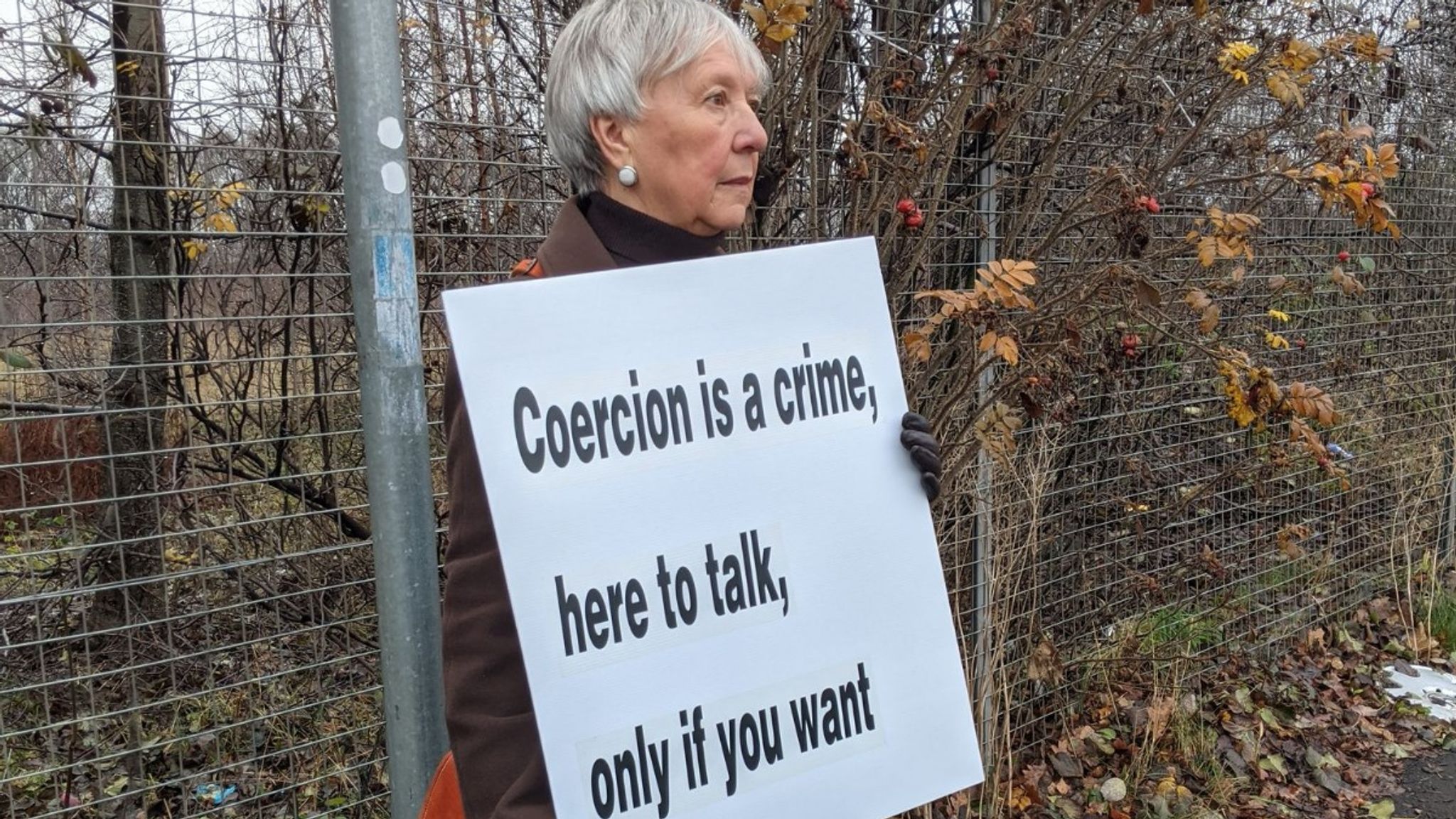
Rose Docherty was the first individual charged under this legislation. She was initially accused in February 2025 of breaching the buffer zone while holding a placard outside the hospital that read: “Coercion is a crime, here to talk, only if you want.” After an initial investigation, the Crown Office and Procurator Fiscal Service (COPFS) chose to take no further action.
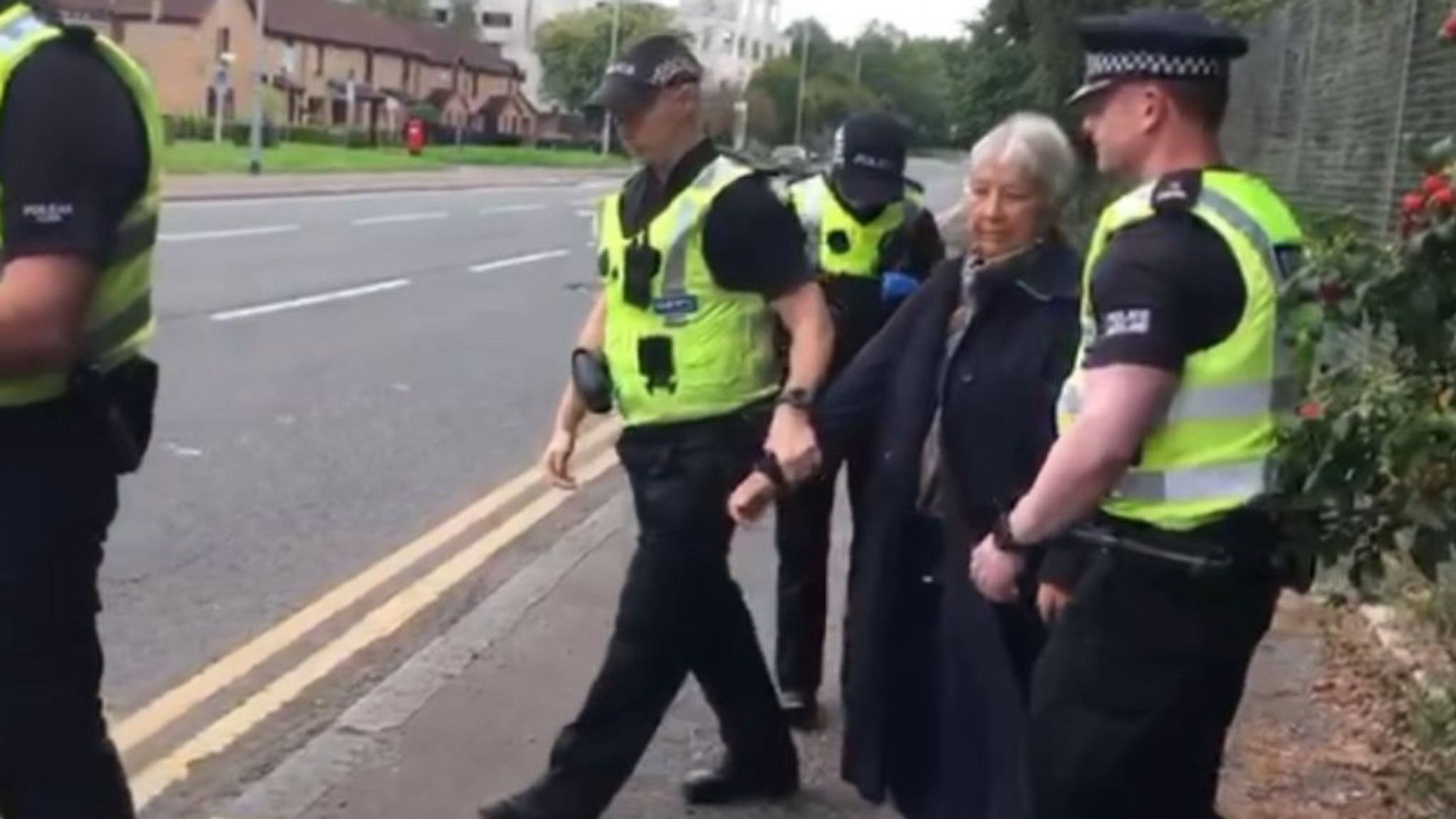
However, in September 2025, Ms Docherty was arrested again and charged for staging another demonstration near the same hospital, sparking a criminal case that lasted seven months.
The Court Case and Its Outcome
The case against Ms Docherty was dismissed this week at Glasgow Sheriff Court. Sheriff Stuart Reid ruled that prosecutors failed to provide sufficient evidence showing that Ms Docherty’s conduct within the buffer zone influenced anyone accessing, providing, or facilitating abortion services. This element is a key legal requirement under the 2024 Act for a conviction.
The dismissal means the Crown Office could potentially reopen the case if new evidence emerges and it is deemed in the public interest to proceed. Meanwhile, a COPFS spokesperson stated that the office “notes the decision of the court and will consider it carefully.”

Ms Docherty’s Response: Free Speech and Calls for Repeal
Supported by legal counsel from Alliance Defending Freedom (ADF) International, Ms Docherty described her treatment following the September arrest as harsh and disproportionate. She said she was “treated like a violent criminal,” handcuffed, placed in a police van, and held in a cell for over two hours without even a chair.
Despite the legal victory, Ms Docherty emphasized that the prolonged criminal proceedings felt punitive. “I have faced seven months of criminal proceedings, merely for exercising my free speech rights,” she said. “This should never happen in a free society.”
She urged the repeal of the Safe Access Zones legislation, arguing that public resources were wasted targeting her, “a 75-year-old grandmother,” for peacefully offering to speak with people. Ms Docherty insisted that authorities should focus on addressing more serious crimes in Glasgow instead of restricting peaceful expression.
Why This Case Matters: Free Speech vs. Protection of Clinic Access
This case highlights the complex balance between protecting individuals seeking abortion services from harassment and safeguarding the right to free speech and peaceful protest. The Safe Access Zones Act was designed to create safe environments around clinics, shielding patients and staff from intimidation. Yet, critics argue that such buffer zones may infringe on constitutional rights to express dissenting views.
Ms Docherty’s case underscores the challenges of enforcing such laws without overreach. The fact that she was arrested twice, faced lengthy proceedings, and endured harsh treatment despite ultimately being cleared raises questions about proportionality and the application of the legislation.
The ruling clarifies that merely being present in a buffer zone holding a sign is insufficient for conviction without evidence of influencing clinic users or providers. This precedent may impact how future cases under the 2024 Act are prosecuted and defended.
Looking Ahead: The Future of Safe Access Zones and Public Protest
As Scotland continues to navigate the delicate tensions between clinic safety and civil liberties, Ms Docherty’s experience serves as a cautionary tale. Authorities must carefully weigh the use of resources and the implications of criminalizing peaceful demonstrations.
For protesters, patients, and policymakers alike, this case emphasizes the need for clear guidelines that respect both public health and democratic freedoms. The ongoing dialogue sparked by this case will likely influence how buffer zones are managed and enforced across Scotland moving forward.
Ultimately, the dismissal of Ms Docherty’s case stands as a significant moment in the evolving legal landscape surrounding abortion services and protest rights in Scotland.