

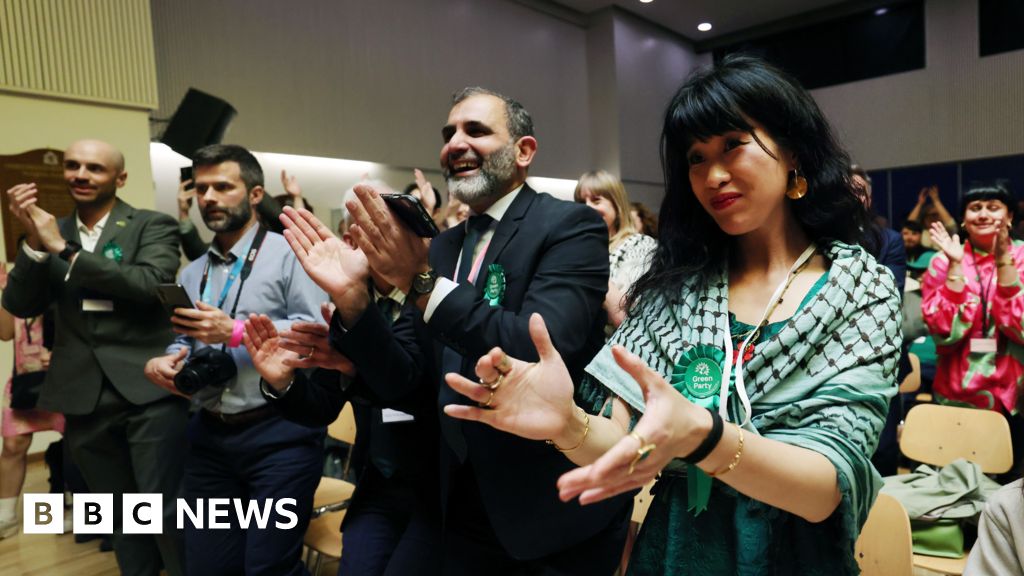
The Green Party has dramatically reshaped the political landscape in several key UK councils, most notably wresting control of Lambeth from Labour for the first time in nearly two decades. This surge signals a significant shift in voter priorities and challenges the historical dominance of Labour in urban centers across England, Wales, and Scotland.
Greens Seize Control in Lambeth and Norwich
In a stunning outcome, the Greens secured 27 seats in Lambeth, effectively ending Labour’s 17-year hold over the borough. This breakthrough reflects growing public support for environmental and progressive policies within the capital’s diverse communities. Lambeth’s transformation marks one of the most striking changes in the recent local elections.
Similarly, the Greens achieved a historic victory in Norwich, where they took full control of the city council from Labour. Norwich’s electorate has increasingly favored Green policies, enabling the party to capitalize on shifting voter sentiment and establish a commanding presence in local governance.
Mixed Fortunes in London Boroughs and Beyond
While the Green Party made significant inroads in London, other boroughs such as Hackney and Islington saw Labour narrowly maintain power despite a strong Green challenge. These close contests underscore the Greens’ rising influence but also highlight Labour’s resilience in certain urban areas.
Outside London, the Greens expanded their footprint in several cities. In Manchester, they captured 17 of the 32 council seats contested, signaling a notable shift in voter preferences within the city. Gains were also recorded in Salford, Oxford, Southampton, and Exeter, where the party moved from minor presence to a more influential role on local councils.
In Hastings, the election results produced a council with no overall majority, ending previous single-party control and opening the door for coalition politics that could include Green representation.
Green Breakthroughs in Wales and Scotland
The Green Party’s momentum extended beyond England’s borders. For the first time ever, they secured two seats in the Welsh Parliament (Senedd), marking a milestone in the party’s regional influence. In Scotland, the Greens achieved a historic feat by winning their first-ever constituency seats in the Holyrood elections, further cementing their growing role in UK politics.
Changing Political Landscape: The Rise of the Greens
Green Party leader Polanski proclaimed that the era of traditional two-party politics is “dead and buried,” suggesting the political future will be defined by a contest between the Greens and the Reform UK party. While Reform UK made larger gains overall, the Greens’ performance represents their best electoral outcome to date, reflecting an electorate increasingly concerned about climate change, social justice, and sustainable development.
This shift challenges the long-standing dominance of Labour and the Conservatives, introducing a new dynamic in local and regional politics that could influence national strategies in future elections.
What This Means for UK Politics
The Green Party’s surge in council seats and parliamentary representation indicates a profound transformation in voter priorities. Urban and regional voters are increasingly drawn to parties that emphasize environmental sustainability, progressive social policies, and transparent governance.
The displacement of Labour in historically secure areas like Lambeth and Norwich signals potential vulnerabilities for established parties, especially as younger and more diverse electorates demand meaningful action on climate and social issues. The Greens’ rise also complicates coalition-building and governance, as no single party holds overwhelming majorities in many councils.
Looking ahead, the Green Party’s expanded presence across the UK may pressure mainstream parties to integrate greener policies or risk further erosion of their traditional base. Moreover, the Greens’ success in devolved legislatures in Wales and Scotland points to growing regional political pluralism, which could reshape policymaking and political alliances in the coming years.
The evolving political terrain suggests voters are seeking alternatives that address urgent global and local challenges, positioning the Green Party as a pivotal force in the future of UK politics.