

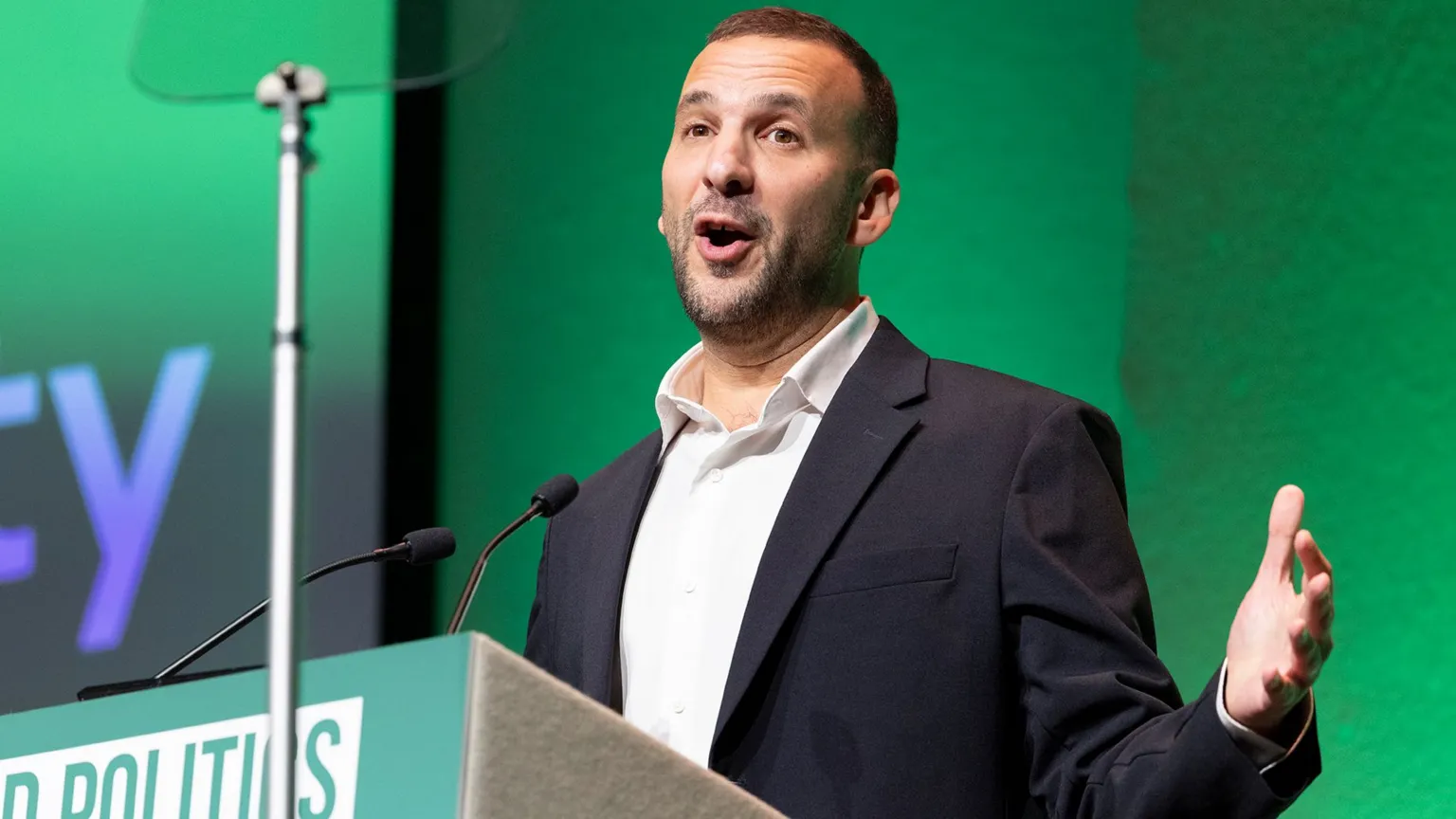
Zack Polanski, leader of the Green Party, is under scrutiny after reports emerged questioning whether he paid council tax on his houseboat for the past three years. This controversy sheds light on the complexities of residence, taxation, and public accountability for elected officials.
What Happened: The Council Tax Controversy Unfolds
The story first broke when The Times newspaper investigated Polanski’s living arrangements, specifically focusing on a narrowboat moored at a marina in London. According to the newspaper, an advertisement to sell the boat revealed that Polanski and his partner considered the vessel their home for three years. The ad included a heartfelt message from Polanski’s partner stating, “We are moving house and so will sadly be leaving the gorgeous community behind,” emphasizing the boat’s significance as a residence.
This raised immediate questions about whether Polanski had been fulfilling his legal obligations to pay council tax on the property. The marina where the boat was moored falls under the jurisdiction of Waltham Forest Borough Council, which requires residents to pay council tax based on their accommodation type.
The Times further reported that Polanski and his partner appeared to have stayed on the narrowboat frequently, despite the Green Party’s claim that he mainly lived in a rented room elsewhere in London where council tax was included in the rent. A local launderette confirmed serving Polanski and his partner regularly from 2023 through 2025, reinforcing the notion that the boat was more than just an occasional retreat.
Green Party’s Response and the Complexities of Houseboat Living
When approached by the BBC for clarity on Polanski’s residence status and council tax payments, a Green Party spokesperson acknowledged the unique challenges of living on a houseboat. They stated, “Until relatively recently, Zack was living on a houseboat, which came with its own unique practical circumstances and considerations.”
The party added that Polanski had taken immediate steps to settle any council tax liabilities that might arise from this situation, highlighting a willingness to address potential oversights. However, citing security concerns, they declined to provide specific details about Polanski’s address.
This response underlines the often complicated nature of taxation rules for alternative living arrangements like houseboats, which are not conventional residences but still require local tax payments. The ambiguity around Polanski’s exact residency status raises important questions about how public figures navigate such legal and administrative frameworks.
Why This Matters: Accountability and Public Trust
This controversy touches on broader issues of transparency and accountability for politicians. Council tax is a fundamental civic duty in the UK, funding essential local services such as waste collection, policing, and education. When elected leaders face doubts about fulfilling these obligations, it can undermine public confidence.
Moreover, Polanski’s situation highlights the growing trend of unconventional living arrangements in urban areas, especially among younger generations and those seeking sustainable lifestyles. Houseboats offer an alternative to traditional housing but bring their own set of regulatory challenges. Authorities and residents alike must navigate these complexities to ensure fairness and compliance.

For the Green Party, which champions environmental sustainability and social responsibility, this issue also carries reputational weight. The party’s leadership is expected to model adherence to the laws and principles it advocates, including transparent governance and respect for community obligations.
What Comes Next: Steps Toward Resolution
As Polanski reportedly initiates payment for any outstanding council tax, this episode may prompt calls for clearer guidelines regarding taxation of non-traditional residences like houseboats. Local councils might need to revisit policies to address such living situations explicitly, preventing confusion and ensuring equitable tax collection.
For Polanski personally, resolving this matter swiftly and transparently will be critical to maintaining public trust and focusing on his political agenda. The Green Party’s commitment to addressing the issue indicates an awareness of the stakes involved.
Takeaway: Navigating New Housing Realities in Politics
Zack Polanski’s council tax situation exemplifies the intersection of modern living choices and civic responsibility. As housing diversity expands beyond conventional bricks-and-mortar homes, both residents and authorities must adapt to ensure clarity and fairness in taxation and legal obligations.
For political figures, transparency in personal affairs remains essential to uphold public confidence. This case serves as a reminder that even small administrative matters like council tax can have significant implications for leadership credibility.
Full details have not yet been released, but the unfolding situation offers valuable lessons on accountability and evolving housing norms in contemporary urban life.