

The looming threat of soaring energy bills due to geopolitical tensions has prompted Green Party leader Zack Polanski to call on the government to allocate billions in advance to shield households from crippling costs. With the ongoing conflict in the Middle East, particularly the Iran war, pushing energy prices higher, Polanski urges ministers to prepare for a potential increase of up to £300 per household this year.
Why the Greens Are Urging Massive Energy Bill Support
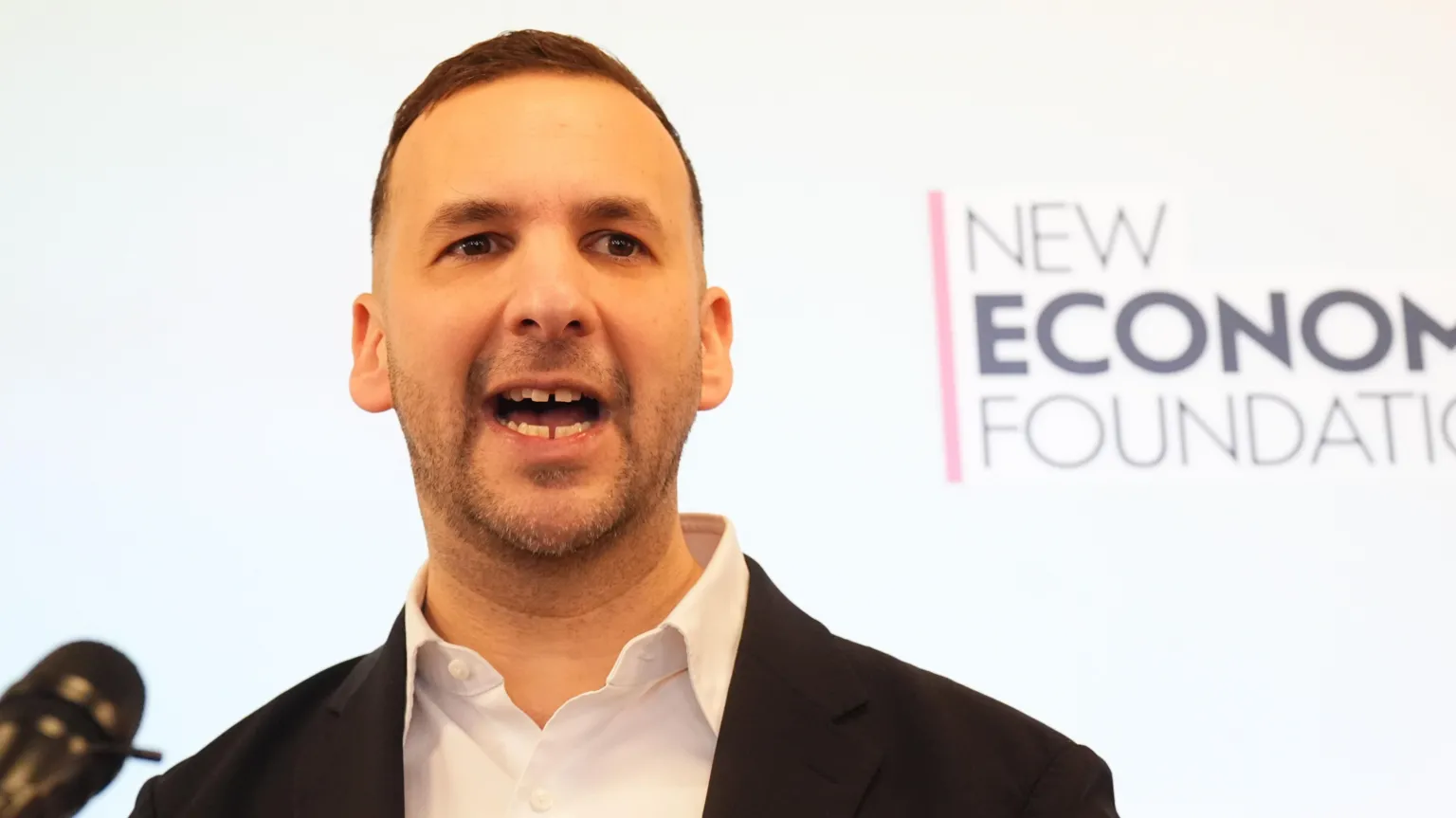
In a recent speech, Zack Polanski made a compelling case for the government to act decisively and end the uncertainty surrounding future energy prices. He warned that without intervention, families across the UK face significant financial strain as Ofgem, the energy regulator, prepares to reset the household energy price cap in June.
Polanski emphasized that many households feel powerless amid global energy market volatility and geopolitical conflict. He framed the government’s role as critical in “insulating us from some of the worst economic effects of Trump’s war,” referring to the broader international instability.
While acknowledging the plan’s hefty price tag—estimated at £8.4 billion—Polanski argued that the long-term economic damage of inaction could be far worse. He highlighted the risk of a “doom loop” where rising energy costs trigger higher government borrowing, followed by increased mortgage rates and broader financial hardship.
Funding the Energy Support: Tax Reforms on the Table
The Green Party proposes funding this multi-billion pound support scheme through significant tax reforms. Central to their plan is equalizing the capital gains tax with income tax rates, a move they estimate could generate an additional £12 billion annually for public coffers. Capital gains tax applies to profits from the sale of assets such as property and shares, and the Greens argue that current disparities unfairly favor the wealthy.
In addition, Polanski advocates for a tougher stance on energy companies by increasing the existing windfall tax on their profits. The party also proposes closing tax relief loopholes that incentivize investment in new oil and gas projects—measures they believe would curb excessive corporate gains while funding vital household support.
This fiscal strategy contrasts starkly with other political parties’ approaches amid the cost of living crisis. For example, Reform UK has pledged to abolish VAT on energy bills and eliminate some green energy taxes if elected, while the Conservative government has allocated £53 million to assist vulnerable households affected by heating oil price spikes linked to the Iran conflict.
The Political Stakes and Broader Policy Context
Energy bills have rapidly become a defining electoral issue. With elections looming in Scotland, Wales, and various English councils this May, parties are competing to convince voters they can effectively manage rising living costs.
Despite mounting pressure, the Labour Party has yet to unveil a universal energy support scheme comparable to the one introduced briefly by former Prime Minister Liz Truss in 2022. Instead, Chancellor Rachel Reeves has indicated that any assistance will likely target the most financially vulnerable households through “targeted options.”
Beyond energy, Polanski’s speech outlined a broader economic vision for the Green Party. He proposed reforms to the UK’s stringent fiscal rules, suggesting they be replaced by an expert panel to assess debt sustainability more flexibly. He also reiterated calls for rent controls and the nationalization of water companies to combat what he termed “Rip Off Britain.”
Additionally, Polanski touched on student debt forgiveness, acknowledging the complexity of the issue but expressing openness to solutions modeled by various think tanks. This signals the Greens’ intent to broaden their appeal with progressive economic policies alongside environmental priorities.
What This Means for UK Households and the Economy
The Greens’ proposal underscores growing concern that the UK faces a precarious winter with energy costs threatening to deepen economic inequality and fuel inflationary pressures. By pushing for preemptive government intervention, Polanski aims to protect households from unpredictable price shocks that could otherwise lead to widespread financial distress.
If implemented, the funding measures would represent a significant shift in tax policy, targeting wealthier individuals and energy profits to shield ordinary consumers. However, the proposals also highlight the challenge facing policymakers: balancing fiscal responsibility with urgent social support amidst global energy volatility.
As voters prepare for upcoming elections, energy affordability remains a politically charged topic. The Greens’ call for a multi-billion-pound safety net intensifies the debate over how best to secure economic stability for UK families in an uncertain international landscape.
Full details of the government’s response and potential policy shifts remain to be seen as the energy price cap reset approaches.