

The ongoing conflict involving Iran has unleashed a profound economic shockwave across the Gulf region, jeopardizing the financial stability of key oil-exporting states. As Iran’s closure of the strategically vital Strait of Hormuz disrupts global energy flows, Gulf economies grapple with severe export constraints and infrastructure vulnerabilities that threaten long-term growth.
Strait of Hormuz Closure: Economic Lifeline Severed
The Strait of Hormuz, a narrow maritime chokepoint, traditionally channels approximately 20% of the world’s oil and liquefied natural gas (LNG) shipments. Its closure by Iran has sent ripples through global energy markets, with immediate and cascading effects on Gulf producers who depend heavily on this route for their export revenues.
Saudi Arabia and the United Arab Emirates (UAE), two of the largest energy exporters in the region, have demonstrated a degree of resilience by leveraging alternative pipeline routes. Saudi Arabia has been rerouting crude oil via its East-West pipeline to the Red Sea port of Yanbu, while the UAE utilizes its Fujairah pipeline to circumvent the closed strait. However, these pipelines collectively handle less than half the volume typically transported through Hormuz, severely constraining export capacity and revenue streams.
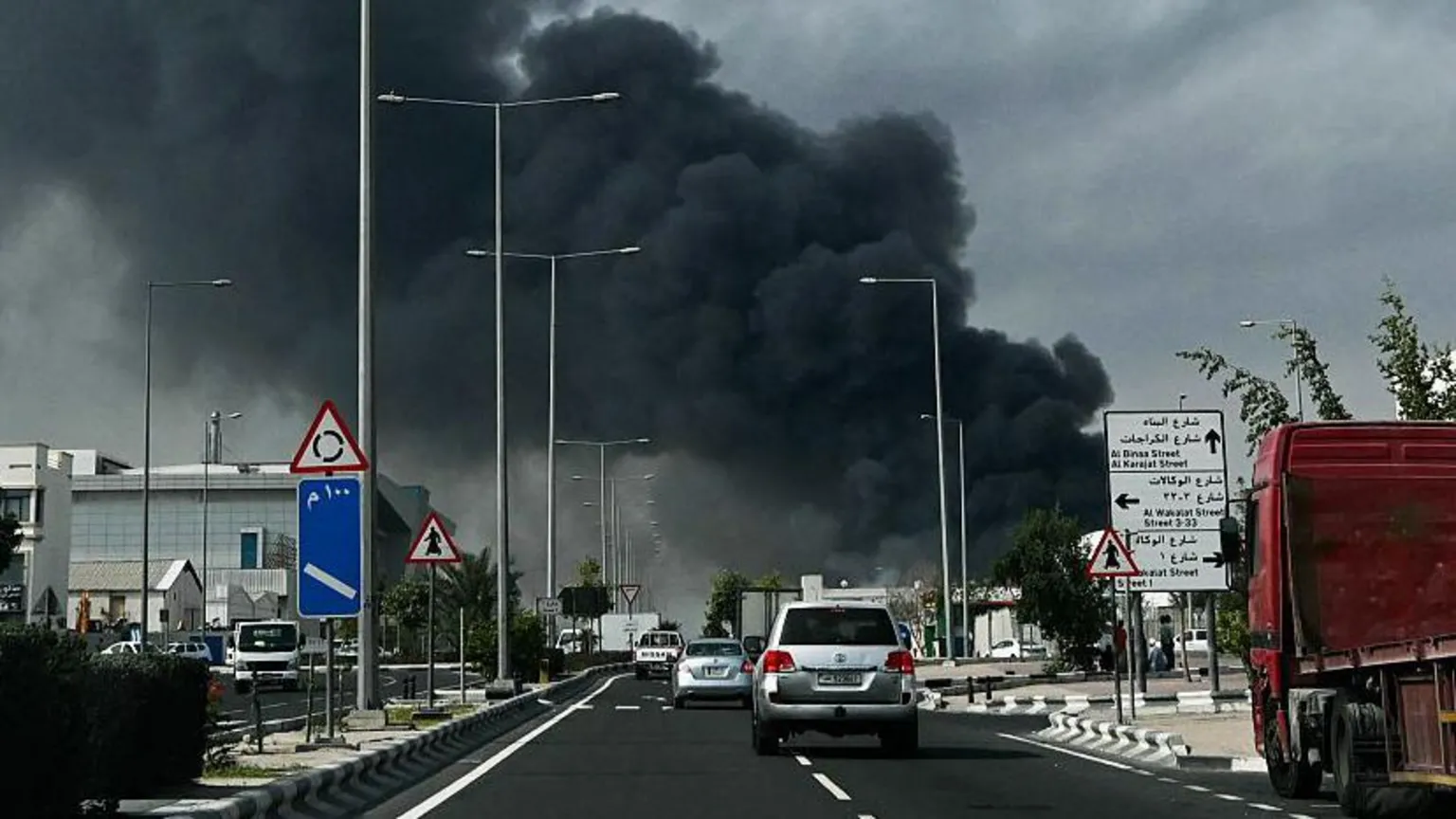
Beyond the logistical nightmare, the physical damage to energy infrastructure caused by the conflict compounds economic challenges. The disruption is not merely a temporary hiccup; it represents a fundamental shift in how energy exports are managed and secured in the Gulf.
Regional Impact and Economic Uncertainty
Justin Alexander, director at Khalij Economics—a consultancy specializing in Gulf affairs—underscores the severity of the economic fallout. He points out that even if hostilities cease immediately, the damage inflicted will reverberate for an extended period before normalcy can be restored.
“Even if the war were to stop today, there would still be a significant impact before things return to normal,” Alexander explains, highlighting the deep-rooted structural challenges facing Gulf economies amid ongoing geopolitical tensions.
The International Energy Agency (IEA) has characterized the current scenario as the “biggest energy crisis in history,” reflecting the unprecedented disruption to the global oil supply chain. This crisis has pushed energy prices and market volatility to new heights, forcing Gulf states to reconsider their strategic export and infrastructure plans.
Long-Term Strategic Shifts in Gulf Energy Infrastructure
Experts warn that the current conflict may catalyze transformative changes in the region’s energy export strategies. Bader Al Saif, a Kuwait University professor and Chatham House fellow, suggests that Gulf states such as Qatar, Kuwait, and Bahrain could accelerate development of alternative pipeline networks to reduce their reliance on tanker shipments through vulnerable maritime routes.
Qatar, already a global leader in LNG exports, exemplifies this strategic pivot. By expanding pipeline infrastructure, regional producers aim to secure more reliable, less exposed export channels, mitigating risks posed by geopolitical instability in the Strait of Hormuz area.

Qatar’s finance minister has also cautioned that the full economic consequences of the Iran conflict remain to be seen. The prolonged uncertainty threatens to undermine investor confidence and economic growth prospects across the Gulf Cooperation Council (GCC) countries, which collectively rely on energy exports for a substantial portion of their GDPs.
What This Means for the Gulf and Global Energy Markets
The Iran conflict and consequent closure of the Strait of Hormuz represent a critical inflection point for Gulf economies and the global energy landscape. The region’s traditional export routes are no longer secure, compelling Gulf states to innovate and diversify their infrastructure to sustain their economic lifelines.
For global markets, the disruption underscores the vulnerability of energy supplies to geopolitical tensions in the Middle East. Energy-importing countries may face continued price volatility and supply uncertainty as Gulf producers recalibrate their export strategies under duress.
While Saudi Arabia and the UAE have shown some resilience by utilizing alternative pipelines, their limited capacity highlights the urgent need for broader infrastructural upgrades and regional cooperation. Countries like Qatar, Kuwait, and Bahrain are likely to follow suit, potentially reshaping the Gulf’s energy export architecture in the years ahead.
Ultimately, the Gulf’s economic stability and the global energy market’s equilibrium will depend on how swiftly and effectively regional players adapt to the evolving geopolitical reality. The pathway to recovery is complex and protracted, with far-reaching implications for energy security worldwide.