Sir Keir Starmer has delivered significant accomplishments as Labour leader, but those successes are being overshadowed by persistent political turmoil engulfing the UK government, according to veteran Labour politician Harriet Harman.
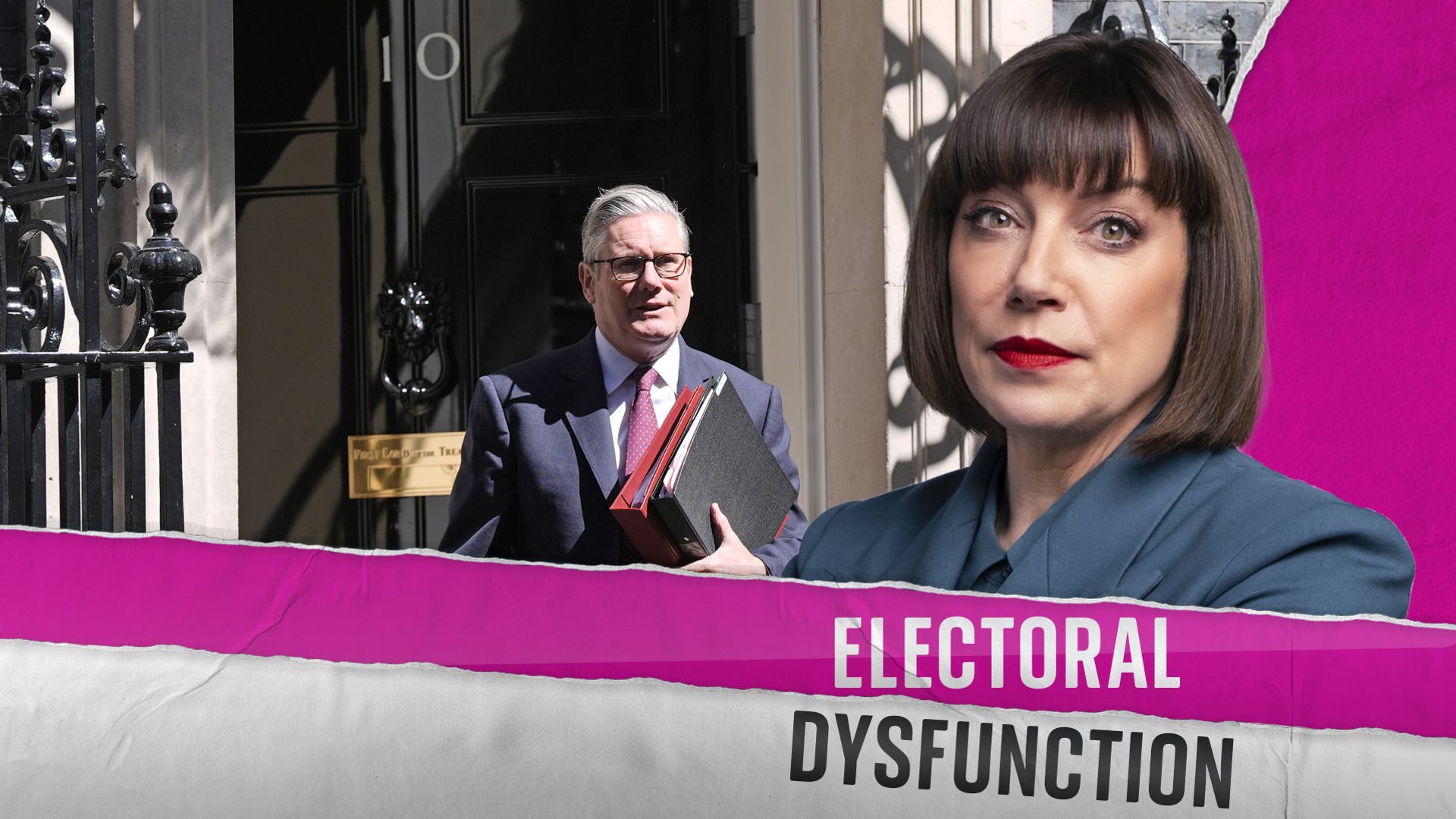
The Impact of Political Instability on Opposition Achievements
Harriet Harman, a former Labour deputy leader and long-serving MP, expressed concern that the ongoing instability within the Conservative government is distorting public and media focus. She argued that the turmoil is causing the public and press to overlook the progress and efforts made by Starmer and the Labour Party.
Since assuming leadership in April 2020, Sir Keir Starmer has worked to reshape Labour’s image, emphasizing competence, unity, and a clear policy agenda. Despite facing challenges such as internal party divisions and the fallout from the pandemic, Labour under Starmer has made strides in refining its message and positioning itself as a credible alternative to the Conservatives.
Why Starmer’s Work Is Being Overshadowed
The current Conservative administration has been rocked by a series of high-profile resignations, policy backslides, and public controversies. This political turbulence dominates headlines, drowning out other narratives, including those surrounding the opposition’s policy proposals and parliamentary successes.
Harman’s critique highlights a broader issue in UK politics: when government instability dominates discourse, it becomes difficult for opposition parties to gain traction regardless of their achievements. The media’s focus on government chaos often reduces political coverage to a cycle of scandal and crisis, leaving less room to explore substantive policy discussions and opposition strategies.
Additionally, Labour’s own challenges complicate the picture. While Starmer has worked to present a more disciplined and professional party, Labour continues to grapple with internal debates over its direction and leadership style. These internal dynamics, coupled with external political distractions, contribute to the muted recognition of Labour’s progress.
What This Means for Labour and the Political Landscape
Harman’s observations underscore the importance of stable governance for healthy democratic debate. When government instability monopolizes public attention, it restricts voters’ ability to fully assess alternative policies and hold leaders accountable through informed choice.
For Sir Keir Starmer and Labour, the challenge lies in breaking through the noise of government chaos to clearly communicate their vision and policy achievements. This requires strategic messaging, effective media engagement, and capitalizing on moments when government missteps create openings for opposition critique.
Moreover, the Labour leader must continue to solidify party unity and articulate a compelling agenda that resonates with voters across the UK. Successfully doing so could transform the current political turbulence from an obstacle into an opportunity to present Labour as the stable, competent choice.
Looking Ahead: Navigating a Turbulent Political Climate
The UK’s political environment remains volatile, with uncertainty about the government’s stability persisting. For the opposition, this volatility is a double-edged sword: it can generate openings to challenge the government but also drown out their own narratives.
Harriet Harman’s warning serves as a reminder that political success is not measured solely by policy wins or leadership qualities but also by the ability to capture public attention amid competing crises. As the Conservative government continues to face internal pressures, Labour’s task is to ensure its achievements are visible and persuasive.
Ultimately, the coming months will be pivotal. If Labour can navigate this complex landscape effectively, they may convert the government’s instability into electoral advantage. Failure to do so risks leaving their accomplishments unnoticed, as Harman cautions, “completely blotted out” by the surrounding political chaos.