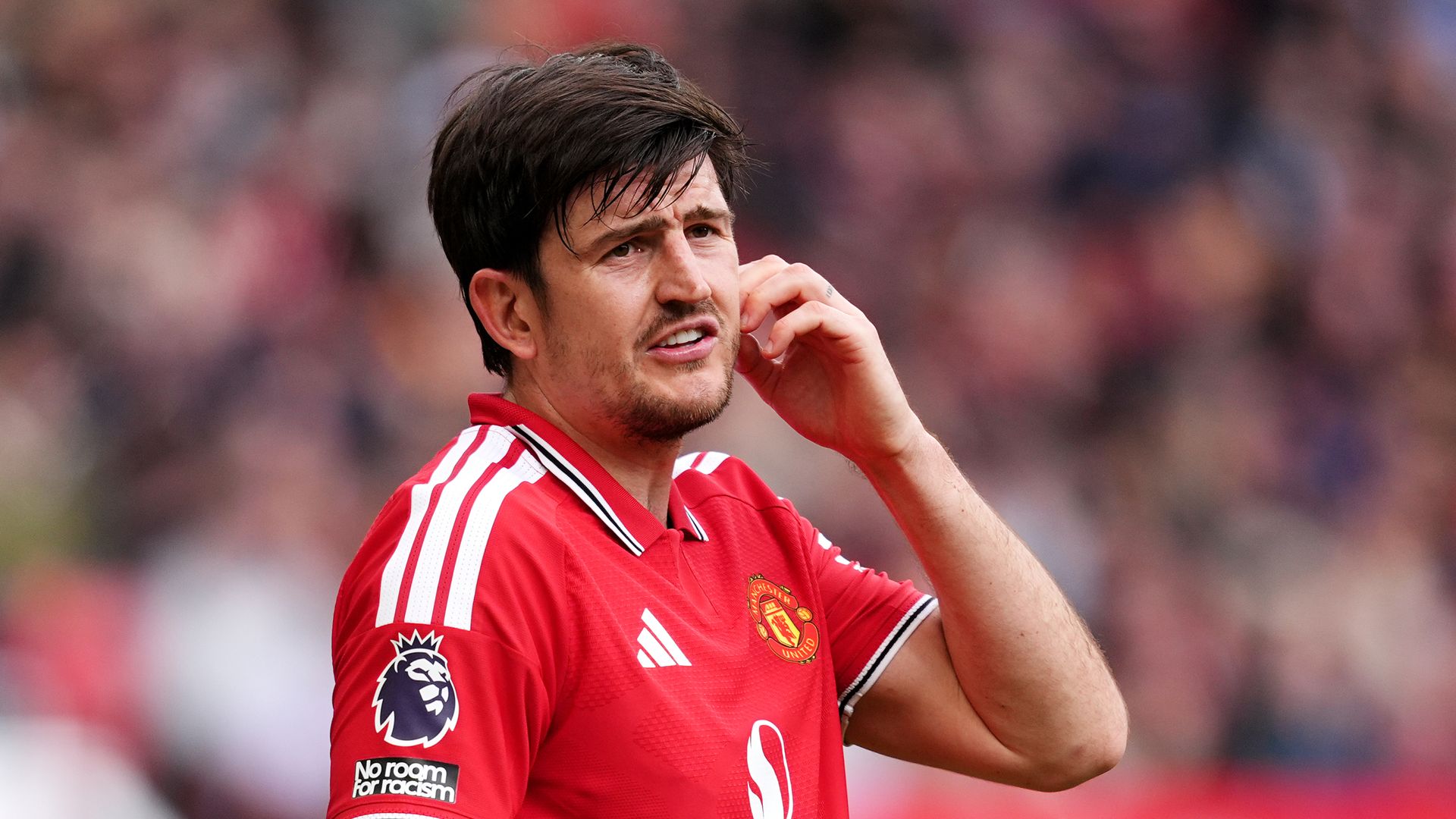
Manchester United finds itself under scrutiny as three of its players, including England international Harry Maguire, have been prosecuted for speeding violations. Maguire, a prominent Premier League defender, received a £1,000 fine for exceeding speed limits, highlighting ongoing concerns about player conduct off the pitch.
Details of the Speeding Offences
The speeding fines involving Manchester United players have brought attention to the club’s off-field discipline. Harry Maguire, widely known for his leadership on and off the field, was officially fined £1,000 after being caught driving above the speed limit. The specific circumstances of his offence, such as the speed recorded or location, have not been publicly disclosed, but the fine confirms a breach of traffic laws.
In addition to Maguire, two other Manchester United players have faced legal action for driving offences related to speeding. While their names have not been officially revealed, the prosecutions indicate a pattern of reckless driving within the squad. These cases underscore the pressure high-profile athletes face and the potential lapses in judgment that can arise.
Implications for Manchester United and Player Conduct
Speeding violations among elite athletes like those at Manchester United carry reputational risks for both the individuals and the club. As public figures and role models, players are expected to uphold standards of responsible behavior, especially regarding road safety. Such infractions can tarnish the image of the players and invite criticism from fans and the broader football community.
Manchester United, one of the most prestigious football clubs globally, has continually emphasized professionalism and discipline among its squad. However, incidents like these highlight challenges in maintaining strict compliance with off-field conduct policies. The club may consider reinforcing education around legal and safety obligations for players to prevent future occurrences.
Why Speeding Offences Matter in Professional Sports
Speeding offences by professional athletes are more than just minor legal infractions; they reflect on personal responsibility and the broader culture within sports organizations. Drivers exceeding speed limits risk not only their own safety but also the safety of others on the road. When high-profile individuals disregard these laws, it can send problematic messages to fans and young athletes who look up to them.
Moreover, such legal issues can distract players from their athletic focus and potentially impact team dynamics. Media coverage of these events often focuses on the negative aspects, amplifying pressure on clubs to address player behavior proactively.
Looking Ahead: Maintaining Standards On and Off the Field
Manchester United faces the challenge of balancing the intense spotlight on their players with the need to promote responsible conduct. Addressing speeding offences promptly and transparently is crucial for preserving the club’s integrity and setting a clear example within professional sports.
For Harry Maguire and the other players involved, these legal consequences serve as a reminder of the importance of adhering to traffic laws and maintaining professionalism beyond the football pitch. As the club prepares for upcoming fixtures, it will likely reinforce the message that off-field behavior is as critical as performance on the field.
Ultimately, these incidents highlight the broader issue of athlete accountability and the need for ongoing education and support systems that encourage responsible decision-making in all aspects of life.