

Consumers across the UK should brace for elevated food and fuel costs that may extend well beyond the resolution of the conflict involving Iran, according to Darren Jones, Chief Secretary to the Prime Minister. Ministers are intensifying contingency plans to mitigate disruptions to essential supplies amid ongoing geopolitical tensions and the blockade of the crucial Strait of Hormuz.
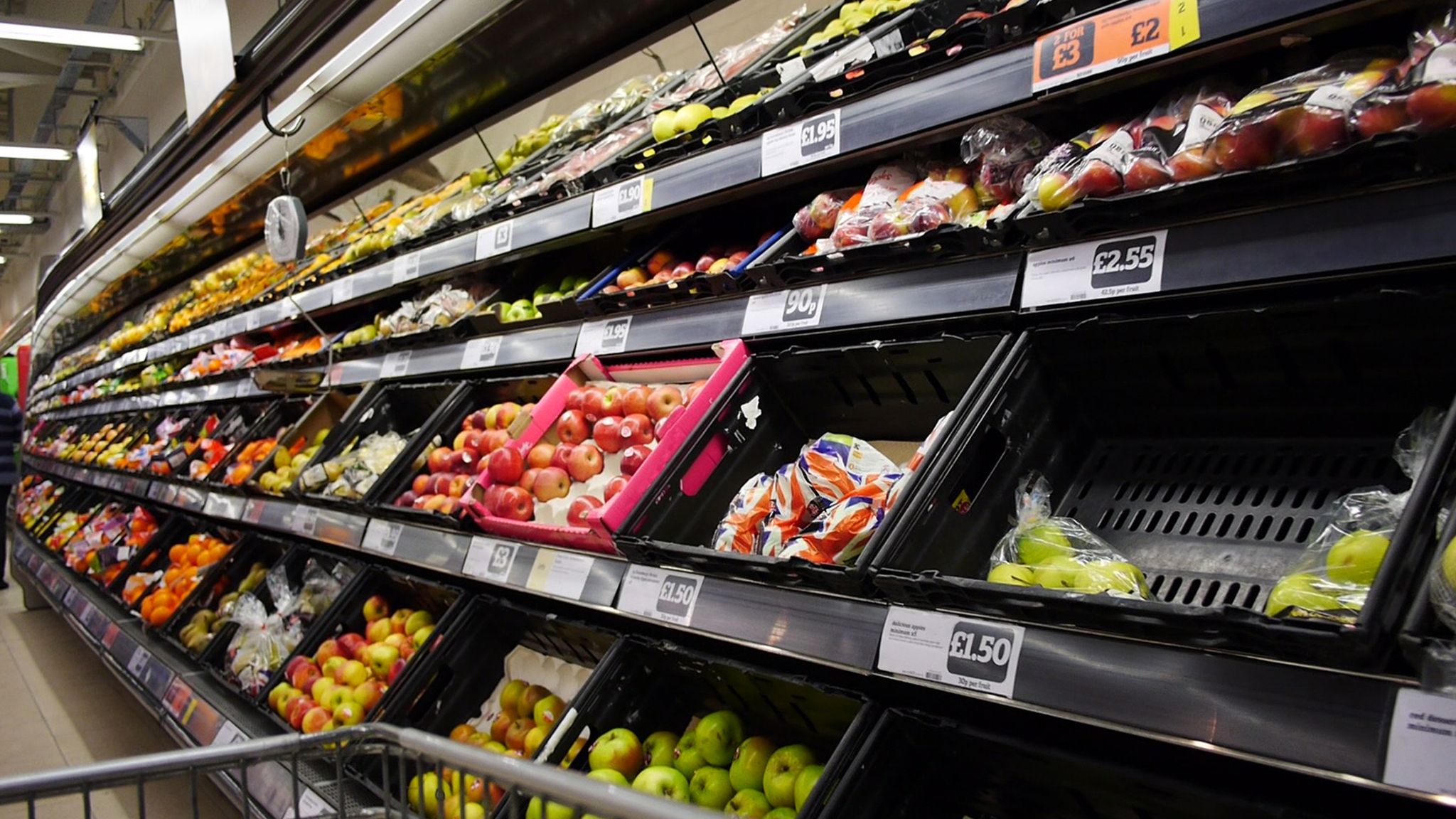
Economic Ripple Effects of the Strait of Hormuz Blockade
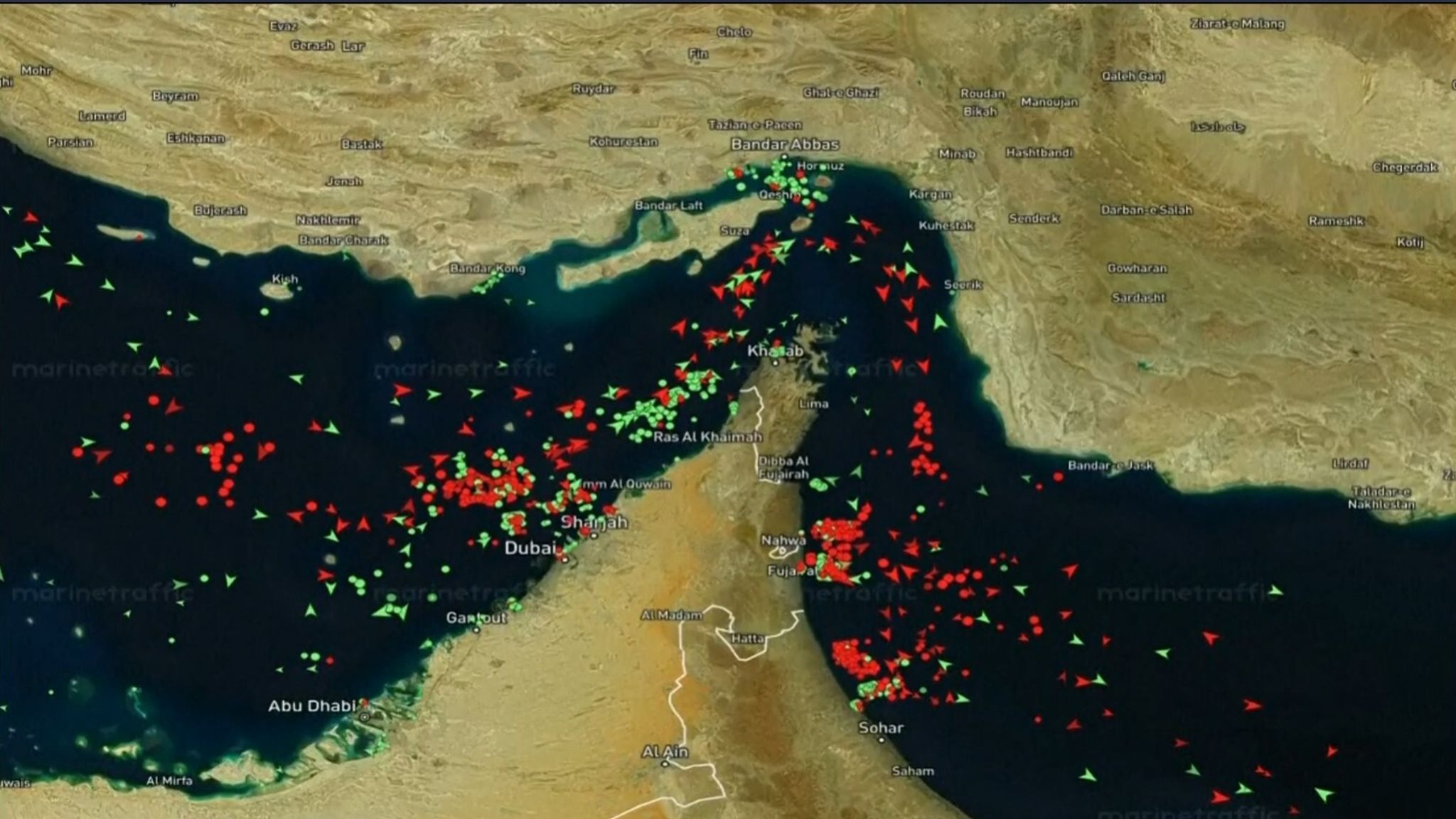
The Strait of Hormuz, a vital maritime chokepoint through which a significant portion of the world’s oil, gas, and chemical exports transit, remains blockaded, causing severe disruptions in global energy supplies. Darren Jones highlighted that the resulting price surges will mainly stem from energy supply constraints rather than outright product shortages on supermarket shelves.
Speaking to the BBC, Jones estimated that the economic consequences of this blockade will ripple through the UK economy for at least eight months after the conflict ends. “Our best estimate is eight-plus months from resolution before we see the economic impacts fully manifest across the system,” he said. This includes sustained increases in energy bills, food prices, and even travel costs such as flight tickets.
Jones attributed much of the current turmoil to recent policy decisions, notably those made by former U.S. President Donald Trump, which have escalated tensions in the Middle East and disrupted supply chains.
Government Measures and Supply Chain Vigilance
In response to the evolving crisis, Jones leads a dedicated ministerial contingency planning group that convenes twice weekly. This team’s focus is on real-time monitoring of stock levels and formulating strategies to counteract supply chain disturbances.
The government is closely tracking the effects of the Strait of Hormuz’s closure on the availability and pricing of oil, gas, and ammonia—key commodities with broad industrial and consumer applications. Notably, ammonia is critical for producing fertilisers, preserving food through carbon dioxide generation, and supporting medical technologies such as MRI scanning.
Despite these challenges, ministers emphasize that there are currently no shortages affecting UK consumers. Drivers are urged to maintain their usual refuelling routines without panic buying, and the government reassures that food supplies remain stable for now.
Nonetheless, concerns persist around the potential for carbon dioxide shortages, which could disrupt meat production—particularly chicken and pork—and the manufacturing of carbonated beverages. Earlier this month, reports surfaced that the UK government is preparing for a worst-case scenario where continued conflict could trigger food shortages by summer due to insufficient CO2 supply.
Political Response and Forward Outlook
The UK government remains steadfast in its stance to avoid direct involvement in the Iran conflict, focusing instead on defensive measures to protect national interests. Sir Keir Starmer, Leader of the Labour Party, will chair an upcoming session of the newly formed Middle East Response Committee, which will receive updates from Jones and other officials.
Jones stressed, “This is not our war. The government made the right call to stay out of the conflict and only take defensive action to safeguard Britain’s interests.” He underscored the government’s commitment to minimizing economic and domestic security fallout from the crisis.
Prime Minister Rishi Sunak has prioritized reopening the Strait of Hormuz as a toll-free passage, collaborating closely with international partners to broker a durable solution. The UK aims to curtail the conflict’s knock-on effects on households, with Jones affirming, “We will always put the British people’s interests first.”
Why This Matters to UK Consumers
The ongoing geopolitical tensions and blockade have far-reaching consequences beyond the immediate conflict zone. As energy prices surge, households face increased living costs, especially impacting vulnerable populations sensitive to price fluctuations in fuel and food.
Moreover, supply chain vulnerabilities exposed by the crisis highlight the interconnectedness of global trade and the fragility of certain commodity markets, such as ammonia and carbon dioxide. These disruptions could influence agricultural productivity and the food processing industry, potentially leading to higher prices and limited availability of everyday products.
Understanding these dynamics equips consumers and businesses to better prepare for sustained economic impacts. Government efforts to monitor and respond to supply chain challenges aim to safeguard stability, but price pressures may persist well into the latter half of the year.
Looking Ahead
While the conflict’s duration and resolution remain uncertain, the UK government’s proactive stance underscores the importance of strategic planning in the face of global crises. Consumers should remain aware of potential price increases but also reassured by official assurances that shortages are not imminent.
As international diplomacy continues to seek a peaceful solution, the reopening of the Strait of Hormuz will be crucial in restoring energy flows and stabilizing markets. Until then, the UK must navigate a complex landscape of economic challenges rooted in geopolitical strife.