

The relentless heatwave gripping England has forced authorities to impose a hosepipe ban on millions more residents, raising urgent concerns about escalating drought risks. As soaring temperatures persist, water usage restrictions are tightening across the country to safeguard dwindling supplies and protect the environment.
Heatwave Drives Expansion of Hosepipe Ban
Officials have announced that the latest wave of hot, dry weather will significantly increase the number of people prohibited from using hosepipes for non-essential purposes such as garden watering and car washing. The decision reflects mounting pressure on water resources caused by prolonged high temperatures and scarce rainfall.
Areas already affected by water scarcity now face stricter controls, while new regions are being added to the ban. This move aims to curb excessive water consumption and prevent the situation from deteriorating into severe drought conditions that could impact households, agriculture, and ecosystems.
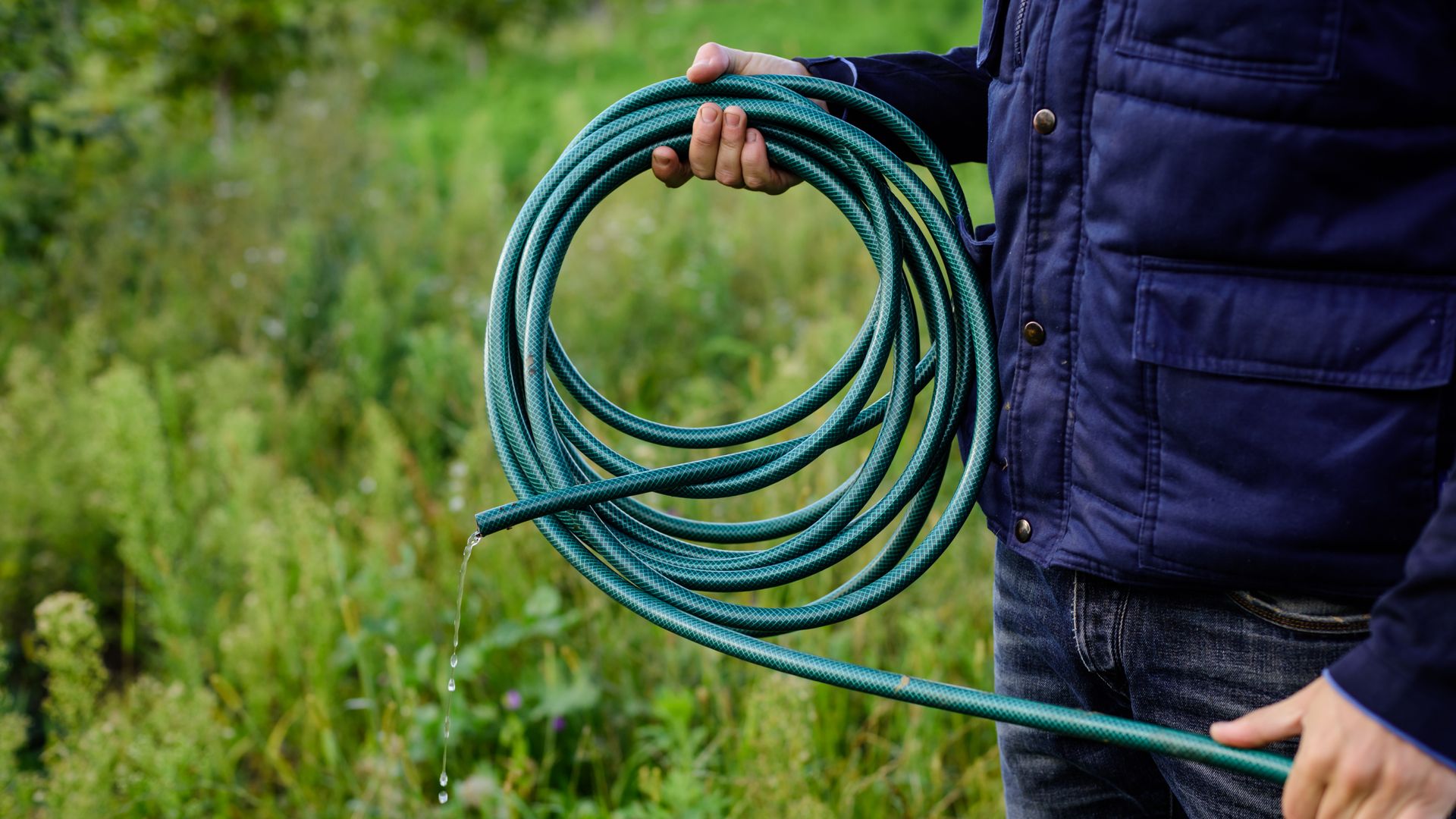
Water companies and government bodies emphasize that hosepipe bans are vital tools in managing supply during periods of stress. By limiting non-essential outdoor water use, they can preserve reservoirs and groundwater reserves necessary for drinking water and essential services.
Why the Hosepipe Ban Matters Now
The latest heatwave is not just a temporary discomfort—it threatens to deepen an ongoing water crisis across England. Experts warn that without prompt action, the country could face serious shortages affecting millions, alongside environmental damage to rivers, wetlands, and wildlife habitats.
Climate change plays a significant role, as hotter summers become more frequent and rainfall patterns shift unpredictably. This exacerbates natural water scarcity and challenges existing infrastructure designed for more stable conditions.
For residents, the hosepipe ban means adapting daily habits, conserving water indoors and outdoors, and preparing for possible further restrictions if conditions worsen. The ban is a clear signal that water conservation is no longer optional but essential for community resilience.
Next Steps and What to Expect
Authorities will continue monitoring weather patterns, reservoir levels, and river flows to assess the evolving risk. Water companies may extend bans or introduce additional measures such as temporary restrictions on other water uses if the drought intensifies.
Public cooperation remains crucial. Simple actions like turning off taps while brushing teeth, fixing leaks, and using water-efficient appliances can collectively make a significant difference.
Furthermore, the situation underscores the need for long-term investment in sustainable water management, including infrastructure upgrades, leak reduction, and public awareness campaigns to ensure water security in a changing climate.
As England faces this challenging period, the expanded hosepipe ban serves as both a necessary response and a warning. Conserving water today is vital to protecting communities and natural systems tomorrow.